Hearing impairment, often referred to as hearing loss, is a partial or total inability to hear sounds in one or both ears. This condition can significantly impact a person’s ability to communicate, socialize, and maintain emotional well-being. To better grasp the concept, it’s crucial to define hearing impairment, explore its types, understand its causes, and recognize its effects on daily life.
Definition of Hearing Impairment
Hearing impairment is characterized by the reduced sensitivity to the sounds in the environment. It can range from mild to profound, affecting individuals of all ages. The degree to which one experiences hearing loss can vary, with some individuals having difficulty hearing high-pitched sounds, while others may struggle with low-pitched ones. In severe cases, a person may be profoundly deaf, unable to hear any sounds without the aid of amplification devices.
Types of Hearing Loss
Hearing loss is categorized into four main types:
1. Conductive Hearing Loss
This type occurs when there is a problem conducting sound waves through the outer and middle ear. It may be due to a buildup of earwax, fluid in the middle ear, ear infections, or a perforated eardrum. Conductive hearing loss is often treatable with medical or surgical interventions.
2. Sensorineural Hearing Loss
This form of hearing loss results from issues with the inner ear (cochlea) or the auditory nerve. It can be due to damage to the hair cells that transmit sound signals or damage to the auditory nerve. Sensorineural hearing loss is often permanent and is typically managed with hearing aids or other assistive devices.
3. Mixed Hearing Loss
As the name suggests, mixed hearing loss is a combination of conductive and sensorineural hearing loss. This means there are problems in the outer or middle ear and also in the inner ear or auditory nerve. Treatment for mixed hearing loss usually involves addressing the conductive component and managing the sensorineural component with appropriate devices or therapies.
4. Central Hearing Loss
Central hearing loss, also known as central auditory processing disorder, occurs when the brain has difficulty processing auditory information. It is not a hearing loss in the traditional sense but rather an issue with how the brain interprets sound. This type of hearing loss is managed through specialized therapy and training.
Causes of Hearing Loss
Hearing loss can be caused by a variety of factors, including:
1. Age-Related Hearing Loss (Presbycusis)
As we age, the structures within the ear can become damaged or wear down, leading to hearing loss. This is the most common type of hearing loss in older adults.
2. Genetic Factors
Genetic mutations can cause hearing loss, often present at birth or developing in early childhood. Hereditary hearing loss can be sensorineural, conductive, or mixed.
3. Noise Exposure
Prolonged exposure to loud noises, either from occupational hazards or recreational activities, can damage the sensitive structures within the ear, leading to noise-induced hearing loss.
4. Infections
Ear infections, particularly those that persist or recur, can lead to hearing loss if left untreated. Furthermore, infections such as rubella or mumps during pregnancy can cause congenital hearing loss.
5. Ototoxic Medications
There are certain medications that can damage the ear and lead to hearing loss. Known as ototoxic drugs, these can include certain antibiotics, antiviral medications, and chemotherapy drugs.
6. Trauma
Physical trauma to the head or ear can cause hearing loss, either immediately following the injury or progressively over time.
Impact of Hearing Impairment
Hearing impairment affects all aspects of life, including:
1. Communication
Individuals with hearing loss may have difficulty understanding speech, especially in noisy environments or when the speaker is not facing them. This can lead to misunderstandings and frustration.
2. Social Well-Being
Hearing loss can impact a person’s ability to participate in social activities and interact with others. It may result in social isolation and withdrawal from social situations.
3. Emotional Well-Being
The psychological impact of hearing loss is significant. It can lead to feelings of frustration, depression, and anxiety
Early detection and diagnosis of hearing impairment is crucial for effective rehabilitation. It allows individuals to receive timely intervention and support, improving their communication, social, and emotional well-being. Professionals in this field play a significant role in assessing hearing impairment and selecting the appropriate treatment strategies.
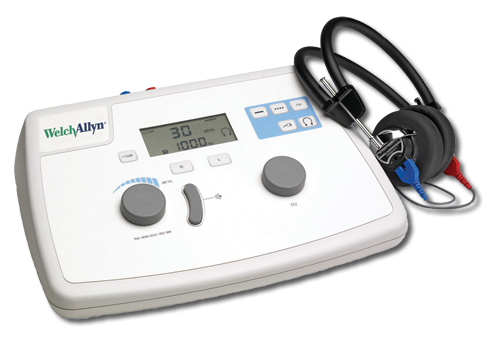
Various tests are used to evaluate hearing loss:
Healthcare professionals, like audiologists and ENT (Ear, Nose, and Throat specialists, are essential in diagnosing and managing hearing loss. Audiologists specialize in evaluating hearing function and fitting patients with hearing aids, while ENT specialists can treat medical conditions related to hearing loss, such as ear infections or congenital abnormalities.
Once the tests are completed, healthcare professionals interpret the results to determine the type and severity of hearing loss. They use this information to diagnose the specific condition that may be contributing to the impairment. In some cases, additional tests may be needed to evaluate the cause of the hearing loss or assess the effectiveness of treatment interventions.
In summary, assessing hearing impairment involves early detection and diagnosis, various hearing evaluation tests, and the involvement of healthcare professionals such as audiologists and ENT specialists. Interpretation of test results is essential for diagnosing the type and severity of hearing loss and for guiding appropriate treatment interventions.
Hearing aids and assistive devices play a crucial role in managing hearing impairment by amplifying sounds and improving communication. These devices come in various forms, each tailored to meet individual needs and lifestyles.
Hearing aids are electronic devices that amplify sound for individuals with hearing loss. They consist of a microphone, an amplifier, and a speaker. The microphone picks up sound, the amplifier increases the sound’s volume, and the speaker delivers the magnified sound into the ear.
There are several types of hearing aids available, including:
When choosing a hearing aid, factors such as degree of hearing loss, lifestyle, ease of use, and cost should be considered. A professional fitter, such as an audiologist or licensed hearing aid dispenser, will help determine the appropriate type and settings for a specific individual’s needs.
Hearing aids can significantly improve an individual’s ability to communicate and engage with the world around them. Benefits of hearing aids include:
However, like any technology, hearing aids can present certain challenges:
It’s important for individuals to receive proper training on how to use and care for their hearing aids to maximize their effectiveness and longevity.
For some individuals with more severe hearing loss, hearing aids may not be sufficient. Alternative assistive devices, such as cochlear implants, bone-anchored hearing aids, and personal FM systems, can be beneficial.
Cochlear Implants: These are medical devices that directly stimulate the auditory nerve to provide a sense of sound to individuals with severe to profound hearing loss.
Bone-Anchored Hearing Aids (BAHA): These devices use the bones in the skull to bypass the parts of the ear that aren’t working and transfer sound to the inner ear.
Personal FM Systems: These devices use radio signals to transmit sound from a distance, such as from a speaker to an individual with hearing loss.
When selecting a hearing aid or assistive device, it’s essential to consider the individual’s hearing loss, lifestyle, personal preferences, and financial constraints. An audiologist or ENT specialist can provide guidance and recommend the most suitable devices based on these factors.
Additionally, many organizations offer financial assistance and support for individuals seeking hearing aids or assistive devices. Check with local audiological societies and health departments for more information on available resources.
In the journey of managing hearing impairment, communication strategies play a pivotal role in enhancing the quality of life for individuals with hearing loss. These strategies not only help in effective communication but also promote social interaction and reduce the barriers to daily living.
Below, we will explore the different communication strategies and techniques that can be employed to make communication easier for those with hearing impairment.
| Program Type | Description |
|---|---|
| Auditory Verbal Therapy | This type of therapy focuses on helping individuals with hearing loss to develop listening and spoken language skills. |
| Speechreading | Also known as lip reading, this strategy involves watching the speaker’s mouth move while listening, to help fill in gaps in what might be missed auditorily. |
By incorporating these strategies and techniques, individuals with hearing impairments can significantly improve their communication abilities and enjoy more effective and fulfilling interactions with the world around them.
Remember, the goal of these strategies is to facilitate communication, not to fix or cure hearing loss. With practice and adaptation, individuals can learn to manage their hearing impairments and continue to engage meaningfully with others.
Cognitive-communication therapy is a specialized therapeutic approach designed to address the cognitive and communication challenges associated with hearing impairment. By combining cognitive therapy techniques with traditional communication strategies, this form of therapy aims to improve the overall communication abilities of individuals with hearing loss.
Cognitive-communication therapy aims to enhance a person’s cognitive abilities while also improving their communication skills. It is particularly beneficial for individuals who have cognitive difficulties resulting from their hearing impairment, such as problems with memory, attention, problem-solving, and executive functioning. The primary objectives of cognitive-communication therapy include:
Cognitive-communication therapy utilizes various techniques and strategies to improve cognition and communication. Some of these include:
Speech-language pathologists (SLPs) play a crucial role in facilitating cognitive-communication therapy. They are trained professionals who specialize in the assessment, diagnosis, and treatment of communication disorders. In the context of cognitive-communication therapy, an SLP will:
Cognitive-communication therapy is grounded in evidence-based practices, meaning that the techniques and approaches used are supported by scientific research. The effectiveness of this therapy is supported by a growing body of evidence, which suggests that individuals who engage in cognitive-communication therapy often experience improvements in their cognitive abilities and communication skills. These improvements can lead to enhanced social participation, improved relationships, and better overall quality of life.
By focusing on both cognitive and communication aspects, cognitive-communication therapy addresses the multifaceted nature of hearing impairment. It is a patient-centered approach that recognizes the individual’s unique experiences and challenges, aiming to empower them with the tools and strategies necessary for effective communication and cognitive functioning.
For individuals living with hearing impairment, cognitive-communication therapy can be a pivotal component of their rehabilitation journey, enabling them to overcome communication barriers and engage fully in their daily lives.
The impact of hearing impairment extends far beyond an individual’s ability to hear. It affects communication, social interaction, and emotional well-being. Family and social support play a crucial role in the rehabilitation process, helping individuals with hearing impairments to navigate daily life and interact with others more effectively.
“Family members are often in the unique position to notice hearing-related problems when they first start to develop and identify or seek professional help” (American Speech-Language-Hearing Association, n.d.). Their involvement is not only valuable in the initial stages of diagnosis but also throughout the rehabilitation process.
Modifying communication practices within the home can significantly improve the quality of life for individuals with hearing impairments. Some strategies for family members include:
Creating accessible and inclusive environments within the community is essential for individuals with hearing impairments. This includes:
As the field of hearing rehabilitation technology continues to evolve, new advancements offer greater potential for improving the lives of individuals with hearing impairments. These advancements are not only about the devices themselves, but also about the ways in which rehabilitation is delivered.
The rapid pace of technology development has significantly influenced the world of hearing rehabilitation. Modern hearing aids, for instance, are becoming more sophisticated, featuring improved signal processing, feedback cancellation, and wireless connectivity.
Furthermore, cochlear implants have experienced significant advancements in recent years. They’re now more effective, with better speech recognition in noise and improved sound quality for users.
Telehealth has emerged as a crucial tool in the provision of rehabilitation services, particularly in the wake of the COVID-19 pandemic. The ability to conduct appointments remotely has proved invaluable, especially for individuals in rural areas or those with limited mobility.
Regular monitoring of hearing health is crucial to ensure that any changes in an individual’s hearing are addressed promptly. This may involve periodic hearing tests or regular check-ins with healthcare professionals.
Rehabilitation plans are not static; they need to be adjusted as an individual’s needs change, technology advances, or new strategies for managing hearing loss are discovered. This ongoing adjustment ensures that the individual continues to receive the best possible care for their hearing impairment.
For professionals in the field of hearing rehabilitation, continuing education is essential. As new research is published and new technologies become available, professionals must remain up-to-date with the latest information in order to provide the best possible care to their patients.
In conclusion, the landscape of hearing impairment rehabilitation is dynamic and ever-changing. With new technological advancements, the integration of telehealth, and a commitment to continuous professional development, the future of hearing rehabilitation looks bright.
It’s a future that promises enhanced quality of life for individuals with hearing impairments and their families, with access to more effective devices and rehabilitation strategies. In this journey, professionals and individuals with hearing impairments must work hand in hand, with the ultimate goal of overcoming the challenges posed by hearing impairment and enhancing one’s quality of life.
Category: Audiology
© 2026 www.audresources.org. All rights reserved.