Hearing loss is a significant issue affecting children, with statistics indicating that approximately 2 to 3 out of every 1,000 children in the United States are born with detectable hearing loss in one or both ears. Furthermore, up to 14.9 percent of children aged 6 to 19 may have some degree of hearing loss. This widespread prevalence emphasizes the importance of identifying hearing loss early to ensure proper intervention and treatment can take place.
Early detection of hearing loss enables parents, healthcare professionals, and educators to intervene in the most effective and efficient manner. By identifying the problem early on, children can receive the necessary support and resources to improve their communication and social skills, leading to better long-term outcomes. Regular hearing tests become crucial in the proactive health management of children, as they allow for appropriate adjustments and tailored interventions based on an individual child’s hearing ability.
In conclusion, regular childhood hearing testing plays a pivotal role in the proactive health management of children. By identifying hearing loss early, appropriate interventions and treatments can be implemented, with the goal of improving a child’s communication and overall quality of life. This highlights the importance of giving due consideration to regular hearing tests in the early years of a child’s life, ensuring that any issues are promptly addressed and managed.
Various tests are available to assess a child’s hearing, and each test serves a different purpose based on the child’s age, cognitive development, and cooperation level. Here is an overview of some of the most common childhood hearing tests:
The Auditory Brainstem Response test is non-invasive, and it measures the brain’s response to auditory stimuli, typically delivered through earphones. During the test, electrodes are placed on the patient’s scalp and earlobes to record neural activity in response to clicking sounds or other auditory signals. The results can be used to determine if a child has any hearing loss and the severity of that loss. This test is particularly useful for infants, providing valuable information about their hearing abilities without the need for their active participation or understanding.
Otoacoustic Emissions testing involves placing a small probe into the child’s ear to measure the emissions produced by the inner ear in response to sound. It is an objective and non-invasive test that can detect hearing loss by measuring the amount of sound produced by the inner ear. This test is quick and suitable for children of all ages as it does not require the child’s active participation.
Visual Reinforcement Audiometry is a test that uses conditioned responses to evaluate a child’s hearing. This test typically involves a child sitting on a parent’s lap while being shown interesting toys or images, such as a rotating mobile with toys, and conditioned to turn their head towards a sound source when they hear a tone. The child is rewarded with the rotation of the mobile when they perform the desired action. As the child gets better at responding, the sound level of the tones is lowered to assess hearing thresholds. This test is often suitable for children between 6 months and 2-3 years old.
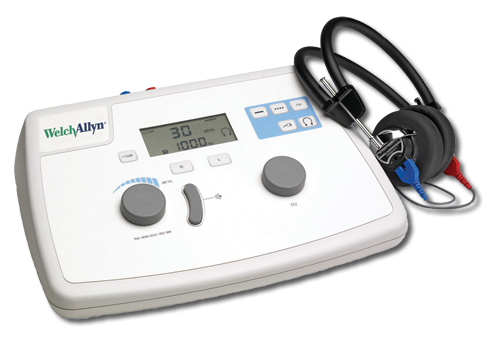
For older children, around 3 to 5 years of age, Conditioned Play Audiometry is often used. This interactive test uses play-based activities, rewarding the child for responding to sounds. Sounds are played through headphones, and the child’s task is to respond (e.g., put a block in a bucket or pop a balloon) when they hear them. This test might also use the child’s visual reinforcement if they are not yet able to provide a consistent response to sounds. The results of this test can help determine a child’s hearing threshold across various frequencies to identify the type and severity of hearing loss.
It is crucial for caregivers and healthcare professionals to choose the right test based on the child’s age, cognitive development, and cooperation level, as this will provide the most accurate assessment of the child’s hearing ability. Early detection and intervention are essential in addressing and managing hearing loss in children, ensuring a more positive long-term outcome.
It is essential to prioritize regular hearing tests for children to ensure optimal auditory development. Experts recommend several stages of hearing tests during childhood for comprehensive detection of any potential hearing loss. The primary phases include:
UNHS is a crucial step in diagnosing hearing loss early. Almost all babies in the United States undergo a UNHS before they leave the hospital as per the American Academy of Pediatrics (AAP). The test helps identify hearing loss early, which is vital for monitoring and addressing any issues promptly.
Although every child’s development and hearing health are unique, it is generally advisable for children to undergo hearing tests during the following stages:
Parents should also pay close attention to their child’s developmental milestones and any signs of auditory dysfunction. If there are concerns or signs of delayed speech, difficulty understanding words, or an insufficient response to sounds, it is prudent to request further evaluation by a healthcare professional.
Several resources are available for parents to learn more about childhood hearing loss, available tests, and necessary procedures. Some organizations and websites offering valuable information include:
These resources provide comprehensive information to help parents navigate their child’s hearing health journey effectively.
Understanding the results of childhood hearing tests is crucial for parents, as it helps them make informed decisions about their child’s health and well-being. This guide will provide a detailed overview of interpreting the results of commonly conducted hearing tests and offer insights into what normal and abnormal results indicate.
The audiogram is a graph that plots an individual’s hearing sensitivity at different frequencies (measured in Hertz) and levels (measured in decibels). It is essential for understanding the results of a hearing test. The x-axis represents the frequency of the sounds, while the y-axis represents the sound’s intensity or loudness. Normal hearing sensitivity is represented by an audiogram threshold of 0 to 25 decibels across the full range of frequencies.
| Audiogram Representation | Description |
|---|---|
| Normal hearing sensitivity | An audiogram threshold of 0 to 25 decibels across the full range of frequencies signifies that a child’s hearing falls within the normal range. |
| Mild hearing loss | An audiogram threshold of 26 to 40 decibels suggests that a child has mild hearing loss, making it difficult to hear soft to moderately loud sounds. |
| Moderate hearing loss | An audiogram threshold of 41 to 55 decibels indicates moderate hearing loss, which makes it challenging to distinguish between similar-sounding words even in a quiet environment. |
| Moderate to severe hearing loss | An audiogram threshold of 56 to 70 decibels signifies moderate to severe hearing loss, where a child may need to rely on lip-reading or hearing aids to understand speech. |
| Severe hearing loss | An audiogram threshold of 71 to 90 decibels indicates severe hearing loss, where a child can barely detect loud sounds without the aid of a hearing device. |
| Profound hearing loss | An audiogram threshold above 90 decibels means the child has profound hearing loss, and they are unable to detect most sounds without the help of a cochlear implant or hearing aids. |
If your child’s hearing test results indicate hearing loss or abnormalities, it is essential to discuss the findings with a healthcare professional to determine the appropriate follow-up actions, such as early intervention programs or support services. Remember that early detection and intervention can lead to better outcomes for your child’s hearing and overall development.
When you bring your child in for a hearing test, knowing what to expect can help both you and your child feel more at ease. Below is a step-by-step guide of what typically occurs during a childhood hearing test appointment:
By following these steps and understanding what to expect during your child’s hearing test appointment, you can help ensure a successful evaluation and accurate results.
Preparing your child for a hearing test can be a crucial step in ensuring accurate results and a smooth testing experience. Here are some valuable tips and advice on how to approach the topic with your child, your role as a parent, and ways to minimize anxiety and ensure cooperation during the test.
To help your child understand what to expect during a hearing test, start by having a simple conversation about their hearing, explaining that the test is a way for their doctor to make sure their ears are working well. Use age-appropriate language and avoid unnecessary technical terms. Here are some talking points you can cover:
As a parent, your role during the hearing test is to support and reassure your child. Here’s how you can be involved:
Children may feel anxious or uncertain about a new experience like a hearing test. Here are some tips to help minimize anxiety and ensure your child cooperates:
Remember, the audiologist or hearing specialist is experienced in working with children and can provide additional guidance on preparing for the test. They can also offer resources, such as children’s books about going to the doctor or videos that help explain the process in a kid-friendly way.
By following these tips and being responsive to your child’s needs, you can help create a positive experience that leads to accurate hearing test results and supports your child’s overall health and well-being.
If you’re looking for additional support and community, consider joining a forum or group for parents of children with hearing loss or developmental needs. These communities can offer practical advice and emotional support as you navigate your child’s hearing health journey.
Upon receiving the results of your child’s hearing test, it’s crucial to understand the implications and the subsequent actions required. The outcomes can vary greatly, from confirming normal hearing to identifying hearing loss that necessitates intervention.
Early intervention programs provide support and services for children with hearing loss and their families. These programs focus on supporting the child’s communication development, learning, and overall growth. The interventions can include
Early intervention can significantly improve a child’s chances of reaching their full potential, despite their hearing loss.
In addition to early intervention programs, there are numerous support services specifically designed for children with hearing loss. These include
These services can help children with hearing loss to communicate effectively and participate fully in their education and social activities.
Parents play a vital role in their child’s hearing health journey. Engaging with professionals and support groups can provide valuable information, resources, and emotional support.
Remember, every child’s journey with hearing loss is unique, and the right support can make a world of difference. Stay informed, stay involved, and stay optimistic. Your child’s potential is limitless, and with the right tools, they can soar high.
Category: Audiology
© 2026 www.audresources.org. All rights reserved.