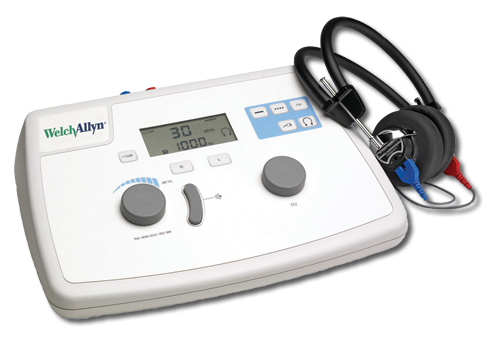
Hearing is one of our most vital senses, playing a crucial role in communication and overall well-being. Hearing loss can significantly affect our daily life, relationships, work, education, and independence. Unfortunately, hearing loss is a widespread issue that affects millions of people worldwide, with various factors contributing to this condition, such as aging, genetics, and exposure to loud noise.
Audiologists recommend keeping hearing conservation in mind to protect and maintain good hearing health, providing essential tips to prevent or slow down age-related and noise-induced hearing loss. By taking proactive measures and adopting healthy habits, individuals can guard against the potential negative impacts of hearing loss and ensure a lifetime of enjoyment and communication.
In conclusion, the importance of hearing conservation cannot be overstated. It is an essential aspect of overall well-being and quality of life. By understanding the factors contributing to hearing loss, taking proactive measures to prevent damage, and seeking professional guidance when needed, individuals can safeguard their hearing health for years to come.
Listening to noises above certain levels for extended periods can be the primary cause behind age-related and noise-induced hearing loss, affecting individuals of all ages. The World Health Organization (WHO) indicates that noise levels should not exceed 85 decibels (dB) to prevent harm.
Safe Limit for Extended Noise Exposure
According to the World Health Organization, noise levels exceeding 85 dB should be managed appropriately to mitigate the risk of hearing loss. Noise levels should ideally not exceed 80 dB for an 8-hour workday to ensure long-term hearing protection.
Pay Attention to Warning Signs
Signs like discomfort, ringing of ears, or difficulty understanding conversations when noise levels are high indicate that the noise levels are likely damaging your hearing. Learning how to identify these warning signs can be instrumental in helping prevent hearing loss.
Using a Sound Measuring Device
To measure the noise levels around you, you can use a sound measuring device or consult with a professional for assistance. By knowing the noise levels, you can take appropriate steps to protect your hearing, such as wearing appropriate ear protection or avoiding noisy environments whenever possible.
Prolonged exposure to loud noise is a significant cause of hearing loss. Noise-induced hearing loss affects people of all ages, from younger individuals to older adults. An essential step in preventing hearing loss is wearing ear protection, especially during long periods in noisy environments. Utilizing ear protection reduces noise levels, safeguarding our ears from potential damage.
There are various types of ear protection available, such as earplugs, earmuffs, and custom-made devices. These tools can help protect our hearing during activities like concerts, sports events, construction work, or loud social gatherings. Let’s take a closer look into different types of ear protection and their effectiveness.
Earplugs are a popular form of ear protection and come in various materials, including foam, silicone, and wax. They are disposable or reusable, offering convenience and ease of use.
Earmuffs are another common form of ear protection. They consist of two protective cups that fit over the ear, connected by an adjustable headband.
Some individuals may require a more specialized approach to ear protection. Custom-made ear protection devices offer a better fit and improved noise reduction capabilities than off-the-shelf options.
In conclusion, using appropriate ear protection is a crucial factor in preventing hearing loss. Audiologists and hearing healthcare professionals recommend wearing ear protection during extended exposure to loud noises to minimize the risk of harm to your hearing. Make sure to choose the right protective gear based on your individual needs and the specific circumstances in which it will be used.
Occupational hazards pose a significant risk to a person’s hearing, especially if they involve exposure to loud noises or harmful chemicals. Employees in many industries are susceptible to hearing loss as a result of their job requirements and responsibilities. These industries can include construction, manufacturing, air travel, or agriculture.
In addition to noise, some occupations may expose workers to harmful chemicals that can cause hearing damage. These chemicals may include solvents, metals, and pharmaceuticals, among others. Prolonged exposure to these substances can lead to toxic hearing loss.
To mitigate the risk of hearing loss in the workplace, it is essential to collaborate with occupational health professionals, legal compliance officers, and audiologists to help establish proper ear protection and occupational safety rules. Below are a few tips for preventing occupational hearing loss.
By being proactive about occupational hearing hazards and using proper protection and monitoring measures, both employers and employees can reduce the risk of hearing loss in the workplace.
Regular hearing check-ups play a vital role in maintaining good hearing health and detecting early signs of hearing loss. By getting your hearing tested periodically, you can identify any issues before they become more severe, allowing for timely treatment and prevention strategies. Let’s discuss the importance of these check-ups and the key benefits they offer.
Hearing loss can develop gradually over time, making it challenging to notice changes in your hearing ability. This is why regular hearing check-ups are crucial to assess your hearing health and intervene when necessary. The early detection of hearing loss allows for more effective treatment options and better long-term outcomes.
Moreover, hearing check-ups can help identify other underlying health issues that may contribute to hearing loss, such as ear infections, earwax build-up, or even heart conditions. Addressing these issues early can prevent further damage to your hearing.
Hearing aids are essential devices that help millions of individuals suffering from hearing loss to manage their condition. They play a crucial role in amplifying sound, making it easier for people with impaired hearing to understand speech and other sounds in their environment. These devices have significantly improved the quality of life for many individuals with hearing loss.
There are various types of hearing aids available, including:
Hearing aids offer numerous benefits, such as:
Consultations with audiologists are crucial in determining the appropriate hearing aid model that can best address an individual’s hearing needs. A comprehensive hearing evaluation is conducted to assess the extent of hearing loss, and the audiologist takes into consideration factors such as the individual’s lifestyle, preferences, and budget. Audiologists ensure proper fitting, programming, and follow-up care, to ensure the optimal functioning and comfort of the hearing aids.
In today’s increasingly noisy world, it is essential to practice good hearing habits to protect and preserve our hearing health. Audiologists recommend various strategies to minimize the risk of hearing loss and maintain the highest level of hearing possible. Here are some key habits to adopt for better hearing health.
The use of personal audio devices, like smartphones and MP3 players, has grown in popularity over the years, with millions of people using them daily. However, listening to these devices at high volumes for extended periods can lead to noise-induced hearing loss. It is crucial to turn down the volume and limit your listening time to prevent hearing damage.
“Keep the volume below 60 percent of maximum and limit listening time to 60 minutes per day,” advises the World Health Organization (WHO)
Long-term exposure to loud sounds, especially in noisy environments, can put our hearing at risk. It is vital to take breaks during activities that involve high-noise levels. This way, our ears can recover, reducing the risk of damage or long-term hearing loss.
Regular exercise and proper nutrition can positively impact our hearing health. Engaging in physical activities boosts blood flow to the ears, while eating a nutrient-rich diet supports the overall function of the ear and the auditory system.
Moreover, medical research has linked smoking and heart disease to an increased risk of hearing loss. Thus, adopting a healthy lifestyle can improve cardiovascular health and consequently reduce the possibility of hearing loss.
Some medications, referred to as ototoxic drugs, can cause temporary or even permanent damage to our hearing. It is essential to consult with a healthcare professional about the potential harmful effects of certain drugs and seek alternative treatments if needed. Being mindful of medications and their impact on our hearing can help preserve overall auditory health.
Incorporating these hearing-friendly habits into our daily lives can help prevent and manage potential hearing issues. By employing these strategies and following audiologist recommendations for hearing protection, we can safeguard and maintain our hearing for improved communication and overall quality of life.
Category: Audiology
© 2026 www.audresources.org. All rights reserved.