In the field of audiology, maintaining high-quality standards is not just a recommendation; it is a necessity. The quality of services and products directly impacts the lives of individuals with hearing impairments, shaping their ability to communicate, engage with the world, and lead fulfilling lives.
Quality’s Impact on Patient Outcomes:
The effectiveness of any audiological intervention, from the initial diagnosis to the final fitting of a hearing device, hinges on the quality of the service. An inaccurate diagnosis can lead to the wrong treatment, which not only fails to address the hearing issue but also wastes the patient’s time and resources. Conversely, an accurate diagnosis and appropriate treatment plan can significantly improve a patient’s hearing, thereby enhancing their overall quality of life.
Trust in Providers:
Patient trust is critical in healthcare, and audiology is no exception. High-quality services build trust by demonstrating competence and reliability. When patients receive exceptional care, they are more likely to adhere to treatment plans, return for follow-up appointments, and recommend the service to others. Trust is particularly important in audiology, as hearing aids and other assistive devices often require adjustments over time to maintain optimal performance.
Satisfaction and Patient Trust:
Patient satisfaction is a direct byproduct of quality services. Satisfied patients are more likely to comply with treatment protocols, which is crucial for managing hearing loss effectively. They are also more likely to provide positive feedback, which is essential for the reputation of audiological practices. High satisfaction rates can lead to increased retention and referrals, contributing to the overall sustainability of audiological services.
The Role of Professionals:
Audiologists play a central role in ensuring quality. They must not only be knowledgeable about the latest advancements in the field but also adept at selecting and fitting the most suitable devices for their patients. Continuous professional development is key, as it allows audiologists to stay abreast of new practices, technologies, and protocols that can enhance patient care.
Accurate Diagnoses and Effective Treatments:
Accuracy in diagnoses is paramount. Advanced diagnostic tools and techniques should be used to assess hearing loss thoroughly. This includes not just the standard audiogram but also measures of speech understanding in noisy environments and tests for middle ear function. Similarly, effective treatments depend on the use of evidence-based practices and the customization of interventions to meet the unique needs of each patient.
Reliable Devices:
The reliability of hearing aids and assistive devices cannot be overstated. These devices are often lifelines for patients with hearing impairments, allowing them to engage in conversations, enjoy music, and hear important environmental cues. Quality control measures must be stringent throughout the manufacturing process to ensure that these devices operate as intended, providing consistent, reliable support.
In conclusion, the importance of quality in audiological services and products cannot be overstated. It is the cornerstone of patient care, trust, and satisfaction. By focusing on accurate diagnoses, effective treatments, and reliable devices, audiologists can ensure that they are providing the highest standard of care. Furthermore, continuous professional development is essential for maintaining these standards and for adapting to the ever-evolving field of audiology.
To maintain high standards in audiological services, several quality control measures can be implemented. These measures are crucial to ensure patient satisfaction, trust in providers, and effective treatment outcomes.
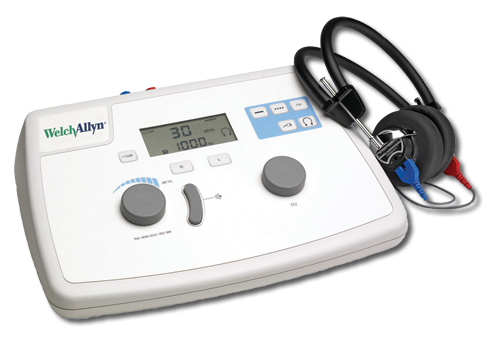
Accurate diagnoses are fundamental to effective treatment in audiology. Regular calibration and maintenance of diagnostic equipment, such as audiometers and tympanometers, are essential to ensure precise readings. This practice can prevent misdiagnosis and the prescription of inappropriate treatment plans.
Adhering to professional standards set by organizations such as the American Speech-Language-Hearing Association (ASHA) and regulatory standards defined by authorities like the Food and Drug Administration (FDA) is critical for maintaining quality. These standards provide guidance on best practices, ethics, and protocols that audiologists must follow to deliver high-quality care.
Implementing patient feedback systems can help identify areas requiring improvement and highlight successful practices. Patient experiences and outcomes can be valuable sources of information for refining services. Audiologists should actively solicit feedback from patients and incorporate it into continuous quality improvement strategies.
Certification programs, such as those offered by ASHA and the American Board of Audiology, along with accreditation programs that evaluate the quality of institutions, play a significant role in ensuring consistent quality across providers and facilities. These programs often involve rigorous evaluation processes and ongoing quality assurance activities.
It is important to note that the commitment to quality in audiological services extends beyond having the right equipment and following protocols; it involves fostering a culture of quality where all stakeholders—audiologists, support staff, administrators, and patients—understand and participate in maintaining high-quality standards.
The quality of audiological products, such as hearing aids and cochlear implants, is paramount to the success of patient treatment and hearing rehabilitation. This section will discuss the various measures taken to ensure the quality of these products, from manufacturing to post-market surveillance, and the role of technological advancements in improving product quality.
Audiological products are manufactured under strict quality control measures to ensure they are safe, effective, and meet the needs of the users. This includes:
Product testing and validation are essential steps in ensuring audiology products are reliable and perform as intended. This involves:
Post-market surveillance is a critical aspect of maintaining product quality. It involves:
Technological advancements play a significant role in enhancing the quality and durability of audiology products. Innovations, such as miniaturization, noise reduction algorithms, and wireless connectivity, have improved the performance and convenience of hearing aids. Cochlear implants have also seen advancements in speech recognition, sound processing, and electrode design, leading to better outcomes for recipients.
Certification and accreditation of audiology products are important indicators of quality. Organizations provide certification to products that meet rigorous standards for performance and safety. For example, the FDA certification process involves a thorough evaluation of the device, including design, manufacturing, and clinical testing.
In conclusion, ensuring the quality of audiology products is a multifaceted endeavor that requires attention to detail at every stage, from design and manufacturing to post-market surveillance. By adhering to strict quality control measures, audiological products can meet the high standards required to deliver on their promise of improved hearing and quality of life for their users.
The field of audiology is constantly evolving, with new research, technologies, and best practices emerging regularly. As such, ongoing education and training are paramount in maintaining high-quality standards within the profession. This section will examine the significance of continuous learning for audiologists and other professionals involved in audiology services.
For audiologists to provide the highest level of care, they must stay informed about recent developments in the field. This includes advancements in diagnostic techniques, treatment methodologies, and new products available in the market. Ongoing education ensures that audiologists are equipped with the knowledge and skills necessary to:
Continuous professional development (CPD) is essential for maintaining and enhancing clinical competence in the field of audiology. CPD activities may include:
The benefits of continuous education extend directly to patients. Professionals who engage in ongoing learning are better equipped to:
Integrating ongoing training into clinical practice involves not just attending formal sessions but also:
By prioritizing education and training, audiologists can ensure that they are providing the highest quality of services and are best positioned to meet the evolving needs of individuals with hearing impairments.
In the realm of audiological services, implementing comprehensive quality management systems (QMS) is paramount for ensuring top-tier service delivery, patient care, and satisfaction. QMSs encompass a set of business processes specifically designed to maintain and improve quality throughout an organization.
The implementation of a comprehensive QMS in audiological practices yields a multitude of benefits, including:
In today’s age of information technology, the integration of QMSs with electronic health records (EHRs) and other technological elements can significantly improve efficiency and quality. Some key points of integration may include:
Ultimately, by focusing on quality management and integrating complementary technologies such as EHRs and business process management tools, audiological practices are well-positioned to cater to evolving patient demands, improve patient care outcomes and ensure the highest standards of service provision in the field of audiology.
In the realm of audiological services, adherence to regulatory requirements and standards is paramount to ensure the safety, effectiveness, and quality of the care provided to patients. Two influential organizations play a significant role in setting guidelines and standards: the American Speech-Language-Hearing Association (ASHA) and the International Organization for Standardization (ISO).
ASHA, founded in 1925, is the professional, scientific, and credentialing association for more than 215,000 members and affiliates who are audiologists, speech-language pathologists, and speech, language, and hearing scientists. ASHA sets the standard in the speech, language, and hearing community by providing guidelines and certification processes for professionals in these fields.
On the other hand, ISO is an independent, non-governmental international organization with a membership of 167 national standards bodies. It develops and publishes International Standards for a wide range of products and services, including those related to audiology. ISO standards are instrumental in ensuring that products and services are safe, reliable, and of good quality.
For audiological services and product manufacturers, compliance with these standards is crucial. Failure to comply can lead to various consequences, including reduced trust from patients, legal liabilities, and potential sanctions from regulatory bodies. Moreover, non-compliance can negatively affect market access, as many institutions and consumers prefer or require products and services that meet specific standards.
Becoming certified or accredited according to ASHA or ISO standards involves rigorous auditing and assessment processes. These evaluations ensure that the audiological services and products meet stringent benchmarks for quality, reliability, and efficacy. Certification not only assures patients of the quality of care but also helps audiologists and providers to maintain high professional standards and stay current with best practices.
In the quest for continuous improvement and excellence, audiologists and hearing aid manufacturers must stay abreast of the latest regulatory developments and ensure that their practices and products conform to the highest standards. By adhering to these standards and committing to ongoing education and quality management, the audiological community can continue to provide the best possible care and solutions for individuals with hearing impairments.
As the field of audiology evolves, it will be essential to adapt to new technologies, remote service models, and personalized hearing solutions while maintaining a steadfast commitment to regulatory compliance and quality assurance. By working together and embracing innovation, the audiological community can meet the challenges of the future and ensure that quality remains at the heart of audiology services and products.
Quotes:
“Compliance with regulations is not an option, it’s a necessity. It’s about ensuring that we provide audiology services that are not only safe but also meet the highest standards of quality.” – ASHA Executive Board Director
“In audiology, standards are the bedrock of quality. They ensure that no matter where you are, the care you receive is consistent and of a high level.” – ISO Standards Development Committee Member
To achieve excellence in audiological services and products, it is vital to understand the current challenges and anticipate future trends. Quality assurance in audiology faces several obstacles, but with a forward-thinking approach, these challenges can be addressed effectively.
Looking ahead, several initiatives and trends have the potential to improve quality in audiology:
To meet the evolving needs of individuals with hearing impairments, the audiological community must work together. This collaboration involves:
By addressing these challenges and embracing future directions, the audiological community can ensure that quality remains at the heart of its services, ultimately enhancing the lives of those with hearing impairments.
Category: Audiology
© 2026 www.audresources.org. All rights reserved.