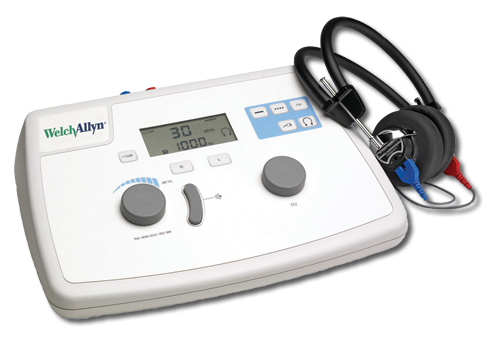
Audiologists, hearing healthcare professionals, play a crucial role in helping individuals with hearing loss enhance their communication abilities. Their primary responsibility is to provide comprehensive evaluations, identify the specific type of hearing loss, and diagnose potential auditory processing disorders. Audiologists use a combination of advanced diagnostic tests to assess one’s hearing thresholds and accurately diagnose their hearing issues.
During the assessment, audiologists conduct the following tests:
Once the hearing loss has been appropriately assessed and diagnosed, audiologists can develop a personalized treatment plan, including recommending the most suitable hearing aids, cochlear implants, or other interventions tailored to individual needs. Clearly, the vital role audiologists play in assessing, identifying, and diagnosing hearing loss is essential in providing appropriate solutions and support to those affected, enhancing their ability to communicate effectively.
Audiologists play a crucial role in developing personalized treatment plans for individuals experiencing hearing loss. These treatment plans often involve a combination of methods such as hearing aids fitting, cochlear implantation, auditory training, and speech therapy.
One common intervention for hearing loss is the fitting and use of hearing aids. Audiologists carefully assess the individual’s hearing loss and specific needs to recommend and fit the appropriate hearing aids. The audiologist will also provide education on the proper use and care of the hearing aids, ensuring that the individual can manage their hearing aids effectively.
For some individuals with severe to profound hearing loss, cochlear implants may be recommended. Cochlear implants are surgically implanted devices that provide a sense of sound to individuals with significant hearing loss. The audiologist will work closely with the individual, their family, and other healthcare professionals to ensure that cochlear implantation is successful and that the individual receives the necessary support and adjustments throughout the process.
In addition to hearing aids and cochlear implants, audiologists may recommend auditory training and speech therapy as part of the treatment plan. These interventions can help individuals with hearing loss learn or relearn to process and understand sounds and spoken language more effectively. The audiologist will collaborate with speech-language pathologists and educators to ensure a cohesive plan tailored to the individual’s needs.
Throughout the treatment process, audiologists closely monitor the progress of individuals with hearing loss, adjusting interventions as necessary to cater to their unique needs and preferences. This attentive care ensures that the individual is receiving the best possible support and can effectively manage their hearing loss, improving their communication abilities and overall quality of life.
Audiologists play a crucial role in the treatment, management, and prevention of hearing loss. They collaborate extensively with other healthcare professionals and educational institutions to provide comprehensive and effective care for those dealing with hearing-related issues. This strong interdisciplinary approach ensures better support and tailored solutions to improve the well-being, communication abilities, and overall quality of life for individuals with hearing impairments.
Collaboration between audiologists and healthcare professionals, such as physicians, otolaryngologists, speech-language pathologists, and others, is essential to addressing the complexity of hearing loss and its effect on daily life. Some key aspects of this partnership include:
In an educational setting, audiologists join forces with school nurses, teachers, and staff members to ensure that students with hearing loss receive the necessary support and accommodations. Some key areas of focus in this collaboration are:
The collaboration between audiologists, healthcare professionals, and educational institutions plays a vital role in ensuring comprehensive and effective care for individuals with hearing loss. By working together, these multidisciplinary teams are better equipped to address, treat, and manage the complexities of hearing impairment, offering better outcomes and enhanced quality of life for their patients and students.
Audiologists play a crucial role in emphasizing the significance of early intervention for individuals with hearing loss. By identifying and addressing hearing issues at an early stage, audiologists can help prevent further disability and significantly improve communication abilities. In this context, it is essential to explore the key aspects surrounding early intervention and the benefits of regular hearing check-ups.
Regular hearing check-ups are vital for identifying potential issues before they worsen, allowing for proactive management of hearing loss. Audiologists encourage hearing screenings for various age groups, including:
| Age Group | Recommended Frequency |
|---|---|
| Infants and toddlers (birth to 5 years) | Screening at birth, during well-child check-ups, and upon parental or caregiver concerns. |
| Children (6 to 18 years) | Annual hearing screenings as part of school health examinations or upon parental or caregiver concerns. |
| Adults (19 to 64 years) | Hearing screenings every 3 to 5 years or upon personal concerns or exposure to loud noise. |
| Seniors (65 and older) | Annual hearing screenings due to increased prevalence of age-related hearing loss. |
Regular hearing check-ups are crucial for maintaining optimal hearing health. Audiologists are well-equipped to provide these screenings and advise on personalized hearing care, catering to each individual’s unique needs and preferences.
Audiologists play a crucial role in advocating and educating about hearing loss to ensure those affected receive proper support and accommodations. Their efforts span various settings, including schools, workplaces, and healthcare facilities.
In their advocacy work, audiologists collaborate with policymakers, organizations, and communities to enhance accessibility and support for those with hearing loss. Their efforts result in legislation that provides accommodations such as closed captioning on TVs, textual transcriptions, and sign language interpreters. Audiologists also work to ensure that hearing aids, cochlear implants, and other assistive devices are covered by insurance plans, making them financially feasible for those who depend on them.
Audiologists are dedicated to educating patients, caregivers, and the general public about hearing loss and its potential prevention. Their education initiatives involve:
Audiologists play an integral role in assessing, identifying, and diagnosing hearing loss in individuals. They meticulously evaluate each patient’s hearing thresholds and potential auditory processing disorders, leaving no stone unturned during the diagnosis phase.
Audiologists are responsible for selecting, fitting, and adjusting a wide range of hearing devices for their patients. Here, we will discuss the types of assistive devices that audiologists generally use to boost the communication abilities of individuals experiencing hearing loss.
Besides hearing aids, audiologists often recommend other assistive devices to fulfill the hearing needs of their patients. These devices, when used in conjunction with hearing aids, can significantly improve communication abilities.
Audiologists play an essential role in offering reliable and effective hearing solutions to individuals with hearing loss, continuously working towards enhancing communication abilities. By employing the appropriate devices and working in close collaboration with other medical professionals, audiologists contribute significantly to improving the quality of life for individuals with hearing loss.
Audiologists play a critical role in not only assessing, diagnosing, and treating hearing loss but also in advocating for the needs of those experiencing hearing impairments. One essential aspect of advocating for individuals with hearing loss is ensuring that they receive the necessary accommodations and support in various settings, such as schools, workplaces, and healthcare facilities. By actively promoting awareness and understanding of the impact of hearing loss, audiologists can contribute significantly to improving the quality of life for those affected.
To effectively advocate for individuals with hearing loss, audiologists may engage in a variety of activities, which could include:
In addition to advocating for individuals with hearing loss, audiologists also play a vital role in educating the public, patients, and caregivers about hearing loss prevention, early detection, and appropriate interventions. Some ways that audiologists may promote education and awareness about hearing loss include:
By advocating for individuals with hearing loss and promoting education on hearing loss prevention, audiologists can create a positive impact on the lives of those affected by these impairments. Through their dedication to raising awareness, offering support, and empowering people with hearing loss, audiologists play a crucial role in improving the overall well-being of those with hearing impairments and their families.
Category: Audiology
© 2026 www.audresources.org. All rights reserved.