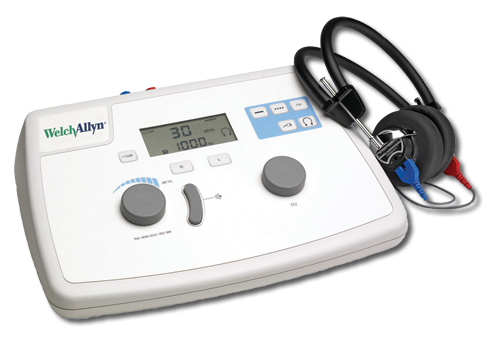
Audiology is a critical healthcare field that focuses on understanding, diagnosing, treating, and managing hearing loss and related conditions. This encompasses a vast array of services that aim to improve the quality of life for patients and their families. In this section, we will explore the field of audiology, what audiologists do, and the impactful role this profession plays.
What is Audiology?
Audiology is a branch of healthcare that specializes in the evaluation, diagnosis, and treatment of hearing loss and balance disorders. These professionals, known as audiologists, possess the necessary knowledge and skills to provide comprehensive care for individuals facing auditory challenges. They may work in various settings, including hospitals, private practices, schools, and community clinics. Audiologists also play a vital role in conducting research to improve our understanding of hearing and balance mechanisms, and in developing new techniques and technologies for managing these conditions.
What do Audiologists Do?
Audiologists primarily deal with the evaluation, diagnosis, and treatment of hearing and balance disorders. They use various methods, tools, and techniques to assess a patient’s auditory ability and determine the nature and
extent of their condition. Additionally, they collaborate with other healthcare professionals to create tailored treatment plans that may involve hearing aids, cochlear implants, assistive listening devices, rehabilitation programs, and emotional support. They also play a crucial role in educating patients and their families about their specific conditions, promoting effective communication, and providing essential advice and support.
The Impact of Hearing Loss and Related Conditions
Hearing loss and related conditions can significantly affect an individual’s communication, personal relationships, mental health, and social engagement. When faced with these obstacles, many experience isolation, depression, anxiety, and a diminished quality of life. For families, the emotional challenges can be particularly difficult as they navigate the often complex and frustrating maze of communication barriers and attempts to accommodate the needs of their loved ones.
Audiologists understand the significant impact that hearing loss and related conditions have on patients and families, making it their mission to provide the necessary support and resources to effectively manage these challenges. By enhancing communication, improving social engagement, and fostering emotional well-being, audiologists play a critical role in improving the overall quality of life for those affected by these conditions.
In conclusion, the field of audiology is indispensable in addressing the profound needs of individuals experiencing hearing loss and related conditions. Audiologists are pivotal in bridging the gap between patients, their families, and the resources and tools to support their needs. By pursuing this sensitive, compassionate, and dedicated line of work, audiologists help to revitalize patients, reconnect families, and ultimately, improve the world’s aural health.
Audiology encompasses various aspects of hearing health, primarily focusing on diagnosing and managing a range of conditions that affect a person’s ability to hear and communicate effectively. Being aware of these conditions and their impact on patients and their families can help individuals seek the necessary care and support to lead a fulfilling life.
Hearing loss is the most common audiological condition, affecting millions of people worldwide. It is characterized by a partial or total inability to perceive and process sound signals in the ear. It can be categorized as mild, moderate, severe, or profound based on its severity.
Causes: Some common causes of hearing loss include aging, noise exposure, infections, ototoxic medications, genetic factors, and trauma to the ear or head.
Symptoms: The symptoms of hearing loss may include difficulty understanding speech, especially in noisy environments, turning up the volume on electronic devices, frequent requests for repetition, and a ringing sensation in the ears known as tinnitus.
Treatments and Interventions: Treatments for hearing loss vary depending on the severity and type of hearing loss. Options may include hearing aids, cochlear implants, assistive listening devices, and in some cases, surgical intervention.
Impact on Patients and Families: Hearing loss can significantly impact a person’s ability to communicate, leading to feelings of social isolation, frustration, and even depression. To assist those with hearing loss, families may need to adapt communication strategies, such as speaking clearly, slowly, and facing the individual while talking.
Tinnitus is a condition characterized by the perception of ringing, buzzing, or other similar sounds in the ears or head, often in the absence of an external sound source. Tinnitus can vary in intensity from a mild annoyance to a debilitating condition.
Causes: Tinnitus can be caused by a variety of factors, including noise exposure, hearing loss, ear infections or blockages, head or neck injuries, and certain medications. Additionally, stress and anxiety can exacerbate tinnitus symptoms.
Symptoms: The primary symptom of tinnitus is the perception of sounds in the ears or head that have no external source. The sounds may be constant, intermittent, or pulsatile, and can vary in volume.
Treatments and Interventions: Treatments for tinnitus may include hearing aids, sound-generating devices to provide background noise, cognitive-behavioral therapy, or counseling to help manage stress and anxiety related to the condition.
Impact on Patients and Families: Tinnitus can lead to sleep disturbances, concentration difficulties, and feelings of frustration or depression in affected individuals. Families can benefit from education and support to better understand the condition and develop coping strategies.
Vestibular disorders refer to a group of conditions that affect the inner ear’s vestibular system, which is responsible for maintaining balance and spatial orientation. Dysfunction in this system can lead to various symptoms related to balance and motion perception.
Causes: Vestibular disorders can result from viral or bacterial infections, head or neck injuries, Meniere’s disease, or ototoxic medications. Aging may also contribute to vestibular dysfunction.
Symptoms: Common symptoms of vestibular disorders include dizziness, vertigo, balance problems, nausea, and difficulty performing visually-demanding tasks.
Treatments and Interventions: Treatment options for vestibular disorders may include vestibular rehabilitation therapy, medications to manage symptoms, and in some cases, surgery.
Impact on Patients and Families: Individuals with vestibular disorders may face challenges in performing daily tasks, maintaining employment, and participating in social activities due to balance and motion perception difficulties. Families can support affected individuals by providing assistance and understanding the impact of the condition on their loved one’s daily life.
Audiology is a branch of science that deals with hearing, balance, and related disorders. An essential aspect of an audiologist’s work is conducting audiological evaluations and assessments to diagnose and understand a patient’s specific auditory needs. In this section, we’ll discuss the various tests and examinations performed by audiologists, the importance of these assessments, and the benefits of early intervention in managing and treating audiological conditions.
There are numerous tests and examinations an audiologist can perform to determine the extent of a patient’s hearing loss and identify the right treatment. Some of these tests are:
Audiological evaluations play a crucial role in identifying the root cause of hearing loss and other related conditions, which may include exposure to noise, infections, medications, or genetic factors. Early assessment and timely intervention can make a significant difference in managing and treating a patient’s condition. For example, if a child is diagnosed with hearing loss early in life, they can receive appropriate intervention, such as hearing aids or cochlear implants, which might result in better development of speech and language skills.
Moreover, audiological assessments are essential for patients and families, as they:
Early identification and intervention for audiological conditions are critical, as they can significantly improve the individual’s quality of life. Early treatment for hearing losses allows for:
In conclusion, audiological evaluations and assessments play a pivotal role in the diagnosis, management, and treatment of hearing loss and other related audiological conditions. Early intervention is key to ensuring the well-being and quality of life for patients and their families affected by hearing challenges.
When tackling audiological challenges and managing hearing-related conditions, patients and families can access a diverse range of resources designed to improve quality of life. These resources include assistive technologies, rehabilitation programs, financial assistance options, and support systems aimed at fostering effective communication and emotional well-being.
Various devices and technologies are available to help patients with audiological conditions better engage in daily activities and communication. Some of the most common devices include:
Apart from these devices, rehabilitation programs and interventions cater to patients’ specific needs, teaching them strategies to cope with hearing loss and improve communication skills. Such programs encompass speech therapy, auditory training, sign language classes, and counseling services to promote emotional well-being.
Overcoming the financial aspect of accessing high-quality audiological care is vital for individuals and families dealing with audiological conditions. Understanding the resources available to mitigate costs can significantly ease the burden of treatment and rehabilitation. Some of the potential financial assistance options include:
Considering the profound impact audiological conditions can have on patients and their families, it is essential for them to be aware of and utilize the available resources in their pursuit of improved communication, quality of life, and emotional well-being.
In addition to the aforementioned resources, there are several support groups and community resources available for families with audiological challenges. These groups provide a forum for sharing experiences, challenges, and coping strategies while offering emotional and practical support. Some examples of these resources include:
By knowing about and taking advantage of these resources, families can better confront audiological challenges and create an environment conducive to effective communication, emotional well-being, and overall better quality of life.
When a family member experiences an audiological challenge, it can affect the entire family dynamic. In this section, we will discuss strategies families can employ to maintain effective communication and emotional well-being.
By incorporating these strategies, families can work together to minimize the challenges of audiological conditions and promote a supportive environment that promotes effective communication and emotional well-being for everyone involved.
Early intervention and prevention are crucial for addressing and managing audiological conditions like hearing loss and tinnitus. By identifying and addressing these issues early on, individuals can avoid further damage and improve their quality of life. Prevention also focuses on reducing the likelihood of developing these conditions in the first place.
Several risk factors may contribute to the development of audiological conditions. Recognizing these risk factors can inform early intervention strategies and help minimize these risks:
By adopting certain protective measures, individuals can reduce their exposure to hazards that may cause hearing loss and other audiological issues:
1. Wear hearing protection when exposed to loud noises
Hearing protection devices, like earplugs and earmuffs, can significantly reduce noise exposure in various situations, including:
2. Moderate your use of headphones and personal audio devices:
Treat your ears gently when listening to music or watching videos on your headphones or personal audio devices:
3. Be aware
Educating yourself about the potential risks of audiology conditions can better prepare you for making informed choices and lifestyle adjustments.
Schools, workplaces, and public health organizations play a vital role in promoting awareness and prevention of audiological conditions.
In conclusion, addressing and managing audiological conditions requires a multi-faceted approach, emphasizing early detection, risk minimization, and education. By being proactive in addressing these challenges, individuals can improve their quality of life and protect their hearing for the future.
In the field of audiology, professionals are essential in diagnosing, treating, and managing various audiological conditions. Audiologists are highly trained healthcare professionals who specialize in diagnosing and addressing hearing and balance-related disorders. With their experience and expertise, they play a vital role in improving the quality of life for patients and their families.
The Role of Audiologists in Diagnosing and Managing Audiological Conditions
An audiologist’s role goes beyond merely diagnosing and treating hearing loss. They work closely with their patients to develop comprehensive treatment plans that can include hearing aids, cochlear implants, or personalized rehabilitation programs. They also play a crucial role in reducing the risk of hearing loss by educating patients on various risk factors, such as exposure to loud noise and ototoxic medications. Audiologists often collaborate with other healthcare professionals, including primary care physicians, otolaryngologists, and speech-language pathologists, to ensure the most effective care for their patients.
The Importance of Finding a Qualified Audiologist
Finding a qualified and experienced audiologist is crucial for proper diagnosis and management of audiological conditions. Below are some factors to consider when searching for a professional audiologist:
Various organizations play a vital role in maintaining high standards of professional conduct within the field of audiology. These organizations include the American Academy of Audiology (AAA), the American Speech-Language-Hearing Association (ASHA), and the Academy of Doctors of Audiology (ADA).
In closing, understanding and recognizing the critical role of audiologists, and finding a qualified professional, can make a significant difference in the diagnosis and management of audiological conditions. Additionally, supporting audiology organizations continues to promote the field’s advancement, ensuring that patients and families receive the best possible care.
Category: Audiology
© 2026 www.audresources.org. All rights reserved.