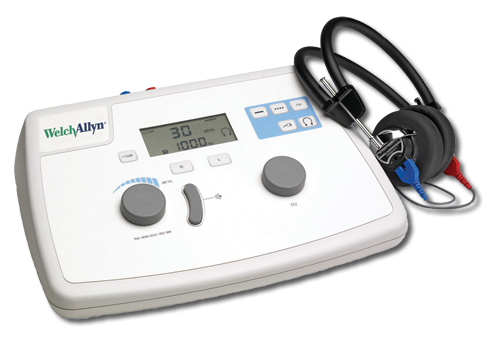
An audiologist is a vital healthcare professional who specializes in diagnosing, treating, and preventing a wide range of hearing, balance, and related disorders. With the growing global concern of hearing loss, the importance of audiologists in the overall healthcare system has increased significantly.
The journey to becoming an expert audiologist involves a rigorous education and training process. Typically, audiologists must first complete an undergraduate degree in a relevant field, such as communication sciences and disorders, speech-language pathology, or psychology. Following this, they are required to earn a Doctor of Audiology (Au.D.) degree, which generally entails four years of specialized study and clinical practice.
Throughout their studies, aspiring audiologists acquire in-depth knowledge of auditory, vestibular, and other related areas of anatomy and physiology, as well as the principles of hearing and balance assessment. They also learn how to diagnose and address a variety of hearing impairments and disorders, ranging from congenital conditions to age-related hearing loss.
Once they have successfully completed their education and training, audiologists can practice in a diverse array of settings. These can include outpatient clinics, hospitals, universities, research institutions, ENT (ear, nose, and throat) practices, and school settings, where they provide professional services, education, and support to patients of all ages and backgrounds.
In conclusion, audiologists play a vital role in the healthcare system by addressing a variety of hearing, balance, and related disorders through expertise in assessment, diagnosis, and treatment. As hearing loss continues to affect more people worldwide, audiologists’ contributions to improved patient care and healthy communication are crucial to ensuring quality of life for individuals and communities.
An essential aspect of an audiologist’s work is the diagnostic process, during which they use a variety of tests and evaluations to assess a patient’s hearing and balance capabilities. These assessments can provide valuable information about the nature, severity, and potential causes of a patient’s hearing loss.
Audiologists employ several tests to determine a patient’s hearing ability, ranging from simple and non-invasive to more complex assessments. Some common hearing tests include:
It is crucial for audiologists to evaluate both hearing sensitivity and auditory perception to accurately diagnose a hearing disorder. Hearing sensitivity refers to the quietest level at which a patient can hear a sound, while auditory perception involves understanding speech and recognizing the meaning behind the sounds heard.
Assessing both components of hearing not only helps to determine the type and severity of hearing loss but also helps audiologists to better tailor treatment plans to a patient’s specific needs.
Hearing issues can originate from a myriad of underlying conditions, which require input from healthcare professionals in different fields. Audiologists play a crucial role in the diagnostic process and employ a wide array of tests and evaluations to determine the nature and extent of hearing loss in their patients. In some cases, however, additional expertise or medical intervention may be needed, and audiologists may refer their patients to specialists such as otolaryngologists, neurologists, or primary care doctors.
Differential diagnosis is the process of identifying the specific cause of a patient’s hearing problems by examining the complete set of diagnostic possibilities. This means that audiologists must be well-versed in various medical conditions and disorders that could potentially affect hearing. They must also be able to recognize the signs of these conditions in order to make appropriate referrals to other specialists.
Audiologists usually refer patients to other specialists when their hearing issues are linked to a broader medical concern. Some examples of conditions that require collaboration with other medical professionals include:
In these cases, the audiologist works closely with the specialist to ensure seamless communication, share diagnostic information, and develop a comprehensive treatment plan that addresses all the patient’s hearing and healthcare needs.
Interdisciplinary collaboration is essential in delivering the most effective patient care. By working in concert with other healthcare professionals, audiologists can ensure that their patients receive the most appropriate and cutting-edge treatments for their unique hearing challenges. This team-based approach also fosters a broader understanding of patients’ health and well-being, paving the way for more personalized and comprehensive care.
Once an audiologist has identified the nature and extent of a patient’s hearing impairment, the next step is to develop a personalized treatment plan that addresses their specific needs. This process takes into account a myriad of factors and caters to each individual’s circumstances.
There are several important components that audiologists must consider when creating a treatment plan. Some of these factors include:
Audiologists use various tailored treatment options to manage and improve a patient’s hearing. Depending on the patient’s specific needs, these could include:
Every individual’s hearing loss journey is unique, and audiologists use their expertise to tailor the most effective solution for each patient. By taking into account the various factors and considering the available treatment options, audiologists play a crucial role in helping people with hearing loss improve their communication skills and overall quality of life.
Dealing with hearing loss can be challenging for both individuals and their families. For this reason, counseling and education play a crucial role in helping patients and their families better understand their condition and adapt to the new situations that they face. Audiologists use a combination of techniques, materials, and collaboration with other healthcare professionals to support their patients effectively.
To provide comprehensive care, audiologists emphasize a patient-centered approach. This means prioritizing the individual’s needs, preferences, and goals when creating and adjusting treatment plans. Patient-centered care involves open communication, taking into consideration the emotional and social challenges that patients face, and working closely with them and their families to develop tailored support strategies.
Audiologists use various counseling techniques, including motivational interviewing, cognitive-behavioral strategies, and family systems therapy. These techniques aim to promote behavior change, enhance coping skills, and encourage better communication among family members. Audiologists also provide educational materials, such as printed guides, informational videos, and webinars that help patients and their families understand hearing loss prevention and management.
Working closely with speech-language pathologists and other healthcare professionals, audiologists optimize patient outcomes. Speech-language pathologists can help patients with communication difficulties and work on strategies to improve their ability to understand and express themselves. This interdisciplinary collaboration ensures that patients receive the comprehensive support they need in managing their hearing loss.
By providing education and counseling, audiologists not only help patients and their families cope with hearing loss but also empower them to take action in advocating for their own needs and access to appropriate care. They demonstrate an understanding of the emotional impact of hearing loss and the importance of robust support systems for better outcomes.
In conclusion, counseling and education play a crucial role in ensuring patients and their families understand and adapt to the challenges of hearing loss. Through a patient-centered approach, the use of various counseling methods and educational materials, and collaboration with other healthcare professionals, audiologists are well-positioned to support patients effectively in managing their hearing loss journey.
Regular monitoring of a patient’s hearing abilities is essential to ensure that their treatment plan remains effective and relevant as their needs evolve. This process involves several methods and tools that audiologists use to assess a patient’s progress and make necessary adjustments to their treatment plan.
A strong partnership between audiologists, patients, and their families is vital to ensure that the treatment plan remains effective and relevant. This collaboration involves several components:
“As an audiologist, it is my responsibility to not only diagnose and treat the hearing loss but also to be there for my patients and their families every step of the way. We work together as a team to make the best decisions for their hearing health.” – Dr. Jane Smith, Au.D, Audiologist
By monitoring progress and adapting treatment plans, audiologists and their patients can address the challenges of hearing loss effectively and work together toward improved communication and quality of life.
Access to proper hearing care can greatly enhance an individual’s quality of life, especially in cases of hearing impairment. Audiologists understand the importance of making hearing healthcare accessible and affordable for everyone. They are leading the charge in various ways to improve the availability and reach of hearing care services. This commitment is driven by their recognition of the profound impact that hearing loss can have on communication, relationships, and overall well-being.
One key strategy audiologists employ to improve access to hearing care is by actively participating in public health campaigns. These campaigns aim to raise awareness about the prevalence and impact of hearing loss, educate the public about preventative measures, and promote regular hearing screenings. For instance, the Hearing Loss Association of America conducts annual “Get in the Hearing Loop” events where professionals including audiologists showcase the benefits of cutting-edge hearing loop technology and offer free hearing screenings.
Audiologists also engage in advocacy for policy changes that can bring about systemic improvements in hearing healthcare. This includes lobbying for the implementation of regulations that ensure affordable hearing aids, promoting insurance policies that cover hearing care costs, and supporting legislation that enhances care for individuals with hearing impairments in educational and workplace settings. For example, the American Speech-Language-Hearing Association (ASHA) actively works with policymakers to advance legislation that supports individuals with hearing loss.
The provision of educational resources is another avenue through which audiologists champion accessibility in hearing care. This may involve publishing informative articles, hosting webinars, and creating videos that demystify hearing loss and available treatments. These resources empower patients by equipping them with the knowledge they need to advocate for themselves and make informed decisions about their care. Organizations like ASHA and the American Academy of Audiology maintain extensive databases of patient-centered materials.
In the words of Dr. Susan Norton, immediate past president of the American Academy of Audiology, “Audiologists are committed to addressing the broader social and systemic issues that impact hearing healthcare access for individuals and communities worldwide.”
By working to make hearing healthcare accessible and affordable, audiologists contribute to a more inclusive society. They help to dismantle barriers that prevent individuals from obtaining the care they need, thereby improving not only their patients’ lives but also the lives of their families and communities. As advocates, they stand at the forefront of the movement to ensure that hearing care is recognized and prioritized as an essential component of comprehensive healthcare services.
In conclusion, audiologists are not only clinicians but also advocates for change. Their efforts to promote accessible and affordable hearing care have the potential to transform the lives of millions of people affected by hearing loss around the world.
Category: Audiology
© 2026 www.audresources.org. All rights reserved.