Meniere’s disease is a disorder of the inner ear that significantly impacts an individual’s balance and hearing. The disease is characterized by unpredictable episodes of vertigo, a sensation of spinning, that often comes on suddenly and without warning. During these episodes, patients may experience extreme dizziness, difficulties with coordination and balance, and involuntary eye movements, known as nystagmus. Besides vertigo, Meniere’s disease commonly presents with other symptoms such as tinnitus, a ringing or buzzing in the affected ear, as well as progressive hearing loss and a feeling of fullness or pressure within the ear.
Despite extensive research, the exact cause of Meniere’s disease remains elusive, making it a complex condition to pinpoint and treat. While the precise mechanism is not fully understood, current theories suggest the disease is connected to issues with the volume or composition of the endolymph, the fluid that fills the inner ear and plays a crucial role in balance and hearing. Fluctuations in endolymph levels can lead to a range of symptoms as the intricate structures of the inner ear become imbalanced.
Individuals suffering from Meniere’s disease do not necessarily experience all of the symptoms concurrently, and the manifestations can vary greatly between patients. Some may only have mild hearing difficulties, while others may have frequent, severe vertigo episodes. Typically, however, symptoms tend to worsen over time, with episodes becoming more frequent and severe. Pattern recognition is important in diagnosing Meniere’s disease, as the symptoms often accumulate progressively.
Risk Factors and Triggers
While the cause of Meniere’s disease is not clear, several risk factors and triggers have been identified. These can include genetics, with some families having a higher incidence of the disease, and an underlying health condition such as autoimmune disorders or allergies. Ear infections, head injuries, and even stress are also thought to be possible triggers. Additionally, some experts believe that factors such as diet, specifically sodium intake, and caffeine consumption, can influence the severity and frequency of symptoms.
Despite the many unanswered questions surrounding Meniere’s disease, ongoing research is shedding new light on the nature of the disorder. However, much more work needs to be done to fully understand the underlying causes and develop more effective treatments. In the meantime, people with Meniere’s disease must rely on symptom management and support from healthcare professionals in their efforts to cope with this chronic and challenging condition.
Audiologists are pivotal in the management of Meniere’s disease, a disorder of the inner ear that affects balance and hearing. Their expertise is crucial in diagnosing, monitoring, and treating this complex condition that can significantly impact a patient’s quality of life.
The journey to managing Meniere’s disease begins with a thorough diagnosis by an audiologist. This typically involves a battery of specialized tests designed to assess the patient’s hearing and balance functions.
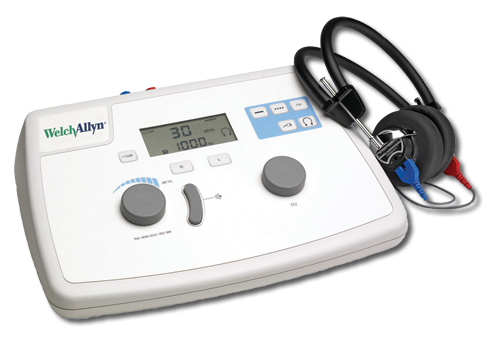
Audiometry: This baseline test measures a person’s ability to hear different frequencies and ranges of sound. It is crucial for identifying hearing loss, a common symptom of Meniere’s disease.
Vestibular Testing: These tests evaluate the function of the vestibular system, which is responsible for balance. They may include videonystagmography (VNG) to monitor eye movements, rotary chair tests to assess the function of the semicircular canals, or electrocochleography (ECoG) to measure the activity of the inner ear.
Once a diagnosis is confirmed, audiologists work with patients to develop personalized treatment plans. These plans take into account the severity of the symptoms, the patient’s overall health, and factors that may trigger episodes of Meniere’s disease.
Audiologists consider a range of interventions, from medication and diet modifications to vestibular rehabilitation and ongoing counseling. They tailor the treatment plan to the individual’s unique needs, aiming to optimize the patient’s hearing function and manage episodes of vertigo.
Living with Meniere’s disease can be challenging, and audiologists provide essential counseling to help patients cope with their condition. They offer guidance on managing symptoms, coping with hearing loss, and adjusting to changes in lifestyle that may be necessary.
Audiologists also play a critical role in providing emotional support to patients, who may benefit from understanding their condition and learning how others with Meniere’s disease have successfully managed their symptoms.
The management of Meniere’s disease is not a one-time event but an ongoing process. Audiologists monitor their patients closely and adjust treatment plans as needed. They also collaborate with other healthcare professionals, such as physicians and physical therapists, to ensure a comprehensive approach to patient care.
By staying up-to-date with the latest research and treatment advancements, audiologists continue to improve their ability to help patients manage Meniere’s disease effectively and enhance their overall quality of life.
In the management of Meniere’s disease, regular monitoring and evaluation of a patient’s progress are essential. Audiologists play a critical role in this process, using various diagnostic tools to objectively measure treatment outcomes and adjust treatment plans as necessary. By doing so, they help ensure that each patient’s management plan is as effective and tailored to their needs as possible.
Meniere’s disease is a complex and multifaceted condition that can progress differently in each individual. Regular monitoring allows audiologists to keep track of any changes or developments in a patient’s symptoms, as well as the effectiveness of their current treatment plan. This ongoing assessment is crucial for making informed decisions about adjusting or modifying the management strategies used, ensuring the best possible outcomes for patients.
Audiologists employ a variety of tests to evaluate a patient’s hearing and balance functions in the context of Meniere’s disease. Some of these tests include:
By performing these evaluations, audiologists can gain valuable insights into a patient’s specific challenges and identify areas where treatment modifications may be necessary.
The results of these ongoing evaluations can inform decisions about whether a patient’s current treatment plan is working effectively or needs to be adapted. For example, if a patient’s hearing loss appears to be worsening, the audiologist may work with other healthcare professionals to introduce additional treatments aimed at slowing or halting this progression. Similarly, if balance issues are not improving, the audiologist may recommend vestibular rehabilitation therapy or refer the patient to a vestibular specialist for further assessment.
A significant aspect of managing Meniere’s disease involves making certain lifestyle modifications that can help reduce the severity and frequency of symptoms. These lifestyle changes address some of the factors that can worsen Meniere’s disease, such as fluid retention and stress.
Food and drink choices can have a notable impact on Meniere’s disease symptoms. Here are some dietary recommendations to consider:
Physical activity and stress management techniques can also play a role in managing Meniere’s disease. Here’s how:
By incorporating these lifestyle modifications, individuals with Meniere’s disease can actively work towards alleviating their symptoms and improving their quality of life.
| Lifestyle Modification | How to Implement |
|---|---|
| Dietary Changes |
|
| Exercise |
|
| Stress Management |
|
Remember, these lifestyle changes should be tailored to the individual’s needs and circumstances, and it’s always a good idea to consult with a healthcare provider when making significant changes to your diet or exercise routine.
In the journey of managing Meniere’s disease, making thoughtful lifestyle choices can play a powerful role in minimizing the impact of this condition. By taking control of one’s health and well-being, individuals with Meniere’s disease can work towards improving their quality of life.
For patients with Meniere’s disease, pharmacological treatments can help manage symptoms and improve their quality of life. Various medications are available to target specific symptoms, and healthcare providers often tailor these treatments to the individual needs of the patients.
The primary medications used to treat Meniere’s disease include:
Understanding the mechanisms of action and potential side effects of these medications can help patients and providers make informed decisions about their treatment.
| Medication | Mechanism of Action | Potential Side Effects |
|---|---|---|
| Diuretics | Promote sodium and water excretion to reduce inner ear fluid pressure | Dehydration, electrolyte imbalance, decreased blood pressure, and kidney problems |
| Antihistamines | Reduce inflammation and stabilize the vestibular system to alleviate vertigo | Drowsiness, dry mouth, constipation, blurred vision, and potential issues with cognitive function |
| Anti-nausea Medications | Block the neurotransmitters that cause nausea and vomiting in the brain | Drowsiness, dizziness, restlessness, blurred vision, and confusion |
| Corticosteroids | Reduce inflammation in the inner ear, thus alleviating vertigo and other symptoms | Increased appetite and weight gain, insomnia, mood changes, and potential long-term effects with chronic use |
It is essential for patients to discuss their medical history and their current symptoms with healthcare providers when considering pharmacological treatments for Meniere’s disease. By understanding the risks and benefits of each medication, patients and providers can work together to find the most effective and safe treatment approach for their unique situation.
Vestibular rehabilitation therapy is a specialized form of physical therapy that can significantly improve the quality of life for individuals with Meniere’s disease, a disorder of the inner ear that affects balance and hearing. By targeting the symptoms of verigo, tinnitus, hearing loss, and a sensation of fullness or pressure in the affected ear, vestibular rehabilitation aims to enhance balance and coordination, helping patients to better navigate their day-to-day activities.
The principles of vestibular rehabilitation therapy are centered around a multidisciplinary approach, which typically combines exercises, balance training, and habituation techniques. By working with an audiologist and a specialist in vestibular rehabilitation, patients can develop a tailored treatment plan that addresses their specific needs and symptoms.
Exercises are an essential component of vestibular rehabilitation, as they can help strengthen the vestibular system and improve overall balance. These exercises may include head and eye movements, which can help desensitize the vestibular system to certain movements that trigger dizziness or vertigo. Examples of such exercises include the following:
Balance training is another critical aspect of vestibular rehabilitation, as it teaches the body to rely on visual and somatosensory information to compensate for vestibular deficits. Techniques can include standing on one foot, walking heel-to-toe, or performing other balance challenges under the supervision of a physical therapist. Balance training provides patients with practical strategies to maintain their balance and stability during daily activities, helping to reduce the risk of falls and injuries.
Habituation techniques involve repetitive exposure to certain movements or environments that trigger dizziness or vertigo. This process can help desensitize the vestibular system over time, ultimately reducing the severity of symptoms. Examples of habituation techniques include:
Audiologists play a crucial role in the coordination and implementation of vestibular rehabilitation therapy. By working closely with physical therapists, audiologists help to ensure that patients receive the necessary support and guidance to optimize their treatment outcomes. Additionally, audiologists may provide counseling and education to patients on self-management strategies, such as proper hydration, stress reduction techniques, and dietary modifications that can help alleviate the symptoms of Meniere’s disease.
Given the complex nature of Meniere’s disease, managing the condition requires a comprehensive and individualized approach. Audiologists, with their specialized knowledge of the vestibular system and the impact of inner ear disorders on balance and hearing, are well-positioned to provide support and guidance to patients throughout this challenging process. Together with other healthcare professionals, audiologists can help patients optimize their management plan and improve their quality of life.
Meniere’s disease is a complex condition, and although significant progress has been made in understanding its mechanisms and developing effective management strategies, there is still much to explore regarding its underlying causes and potential new treatments. Ongoing research is vital to improve the quality of life for individuals with Meniere’s disease and enhance patient outcomes.
One current area of research focuses on innovative treatment approaches that could help alleviate the symptoms associated with Meniere’s disease. Some potential methods being investigated include:
Another research area involves the exploration of:
Some other potential research areas include:
In order to develop more effective treatments, it is crucial to gain a better understanding of the cellular and molecular mechanisms underlying Meniere’s disease. Research is ongoing in the following areas:
Through interdisciplinary and collaborative research efforts, audiologists and other healthcare professionals are working closely together to make significant strides in the field of Meniere’s disease management. By combining the expertise of various disciplines, the goal is to improve diagnosis and treatment strategies and ultimately alleviate the symptoms of those who suffer from this debilitating condition.
By staying informed about the latest research, audiologists can implement cutting-edge techniques and ensure their patients receive the most comprehensive care possible. In the pursuit of further understanding and better management of Meniere’s disease, audiologists will continue to play a central role in helping patients improve their quality of life.
Category: Audiology
© 2026 www.audresources.org. All rights reserved.