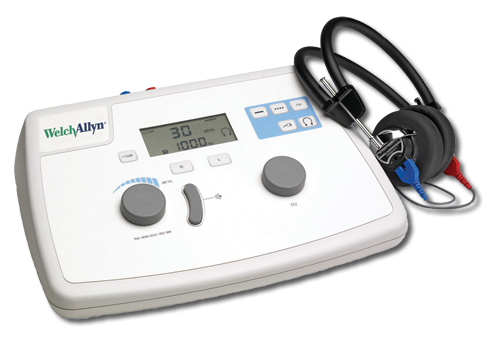
The fields of audiology and neurology are closely interconnected, with audiology focusing on hearing, balance, and related disorders, while neurology delves into the study of the nervous system and neurological disorders. Audiologists are trained to identify and manage hearing loss and vestibular problems, using their expertise in auditory and balance assessment. On the other hand, neurologists study the structure, function, and disorders of the central and peripheral nervous systems, which play a significant role in both hearing and balance.
In order to understand the relationship between these two fields and how they intersect in the diagnosis and treatment of auditory and vestibular disorders, it’s important to first explore the core principles of audiology and neurology.
Principles of Audiology
Audiologists are healthcare professionals who specialize in the identification, assessment, and management of hearing and balance disorders. Their primary focus is on hearing loss, tinnitus, and vestibular problems, which can be caused by a variety of factors such as congenital or acquired conditions, environmental factors, or injuries. They perform a range of tests to evaluate a patient’s hearing and balance function, including pure-tone audiometry, tympanometry, and vestibular assessments. Based on their findings, audiologists can provide appropriate interventions such as hearing aids, cochlear implants, or other assistive listening devices, as well as counseling and rehabilitation services to improve a patient’s overall quality of life.
Fundamental Concepts of Neurology
Neurology, on the other hand, is the study of the nervous system, which comprises the brain, spinal cord, and nerves that transmit messages between the brain and other parts of the body. It deals with the diagnosis and treatment of neurological disorders such as stroke, epilepsy, Alzheimer’s disease, Parkinson’s disease, and multiple sclerosis, among others. Neurologists often collaborate with audiologists in cases where hearing or balance problems have a neurological basis, as they can provide valuable insights into the underlying mechanisms and help determine the most appropriate treatment strategies.
Relationship Between Audiology and Neurology
The central nervous system (CNS) plays a critical role in both hearing and balance. Sound waves are transmitted through the ear to the inner ear, which converts these vibrations into neural signals. These signals are then transmitted to the brainstem, up to the auditory cortex in the cerebral cortex, where sound is interpreted and processed. Similarly, the vestibular system, which is located in the inner ear, provides critical sensory input about the body’s position in space and is responsible for maintaining balance. When there is a problem with the neural pathways that transmit information to and from the CNS, hearing or balance disorders can result.
In conclusion, the fields of audiology and neurology work together closely in the diagnosis and treatment of auditory and vestibular disorders, providing a comprehensive approach to understanding and managing these complex conditions.
At the confluence of audiology and neurology lies the specialized field of neuroaudiology. This subdiscipline focuses on the intricate relationship between the auditory system and the central nervous system, particularly concerning complex auditory disorders with a neurological basis.
Audiologists in the realm of neuroaudiology undergo extensive training to assess and manage a wide array of auditory conditions. Their expertise is vital in diagnosing and treating patients with hearing and balance impairments that stem from various neurological disorders.
Several assessment methods are employed to diagnose auditory disorders tied to neurological issues. These include:
These sophisticated tests allow neuroaudiologists to pinpoint the exact nature and location of auditory dysfunction, which is crucial for devising appropriate treatment plans.
The complex nature of neuroaudiology requires collaboration between audiologists and neurologists. By integrating their respective knowledge and skills, they can provide comprehensive care for patients with neurological hearing disorders. This interdisciplinary approach ensures that patients receive well-rounded treatment strategies that address the full spectrum of their auditory and neurological needs.
Neuroaudiology continues to evolve as a critical bridge between audiology and neurology, driving progress in the diagnosis and treatment of auditory and vestibular disorders. Through ongoing research and advancements in technology, neuroaudiology is poised to make significant strides in enhancing the lives of individuals affected by these conditions.
Hearing loss is a prevalent condition that can significantly impact an individual’s quality of life. It is characterized by a partial or total inability to hear sound in one or both ears. Hearing loss is broadly categorized into two types: sensorineural hearing loss and conductive hearing loss. Understanding the neurological causes behind these conditions is crucial for accurate diagnosis and effective management of hearing loss.
Sensorineural hearing loss (SNHL) is the result of damage to the inner ear, or the auditory nerve itself. This type of hearing loss can be caused by various factors, including aging, exposure to loud noise, certain medications, genetic predisposition, and neurological disorders.
One common example of sensorineural hearing loss is presbycusis, which occurs naturally with aging. It results from the loss of sensory cells in the cochlea, the spiral-shaped chamber in the inner ear responsible for converting sound vibrations into electrical signals. These signals are then transmitted to the brain via the auditory nerve, where they are interpreted as sound.
Meniere’s disease is another neurological disorder that can cause sensorineural hearing loss. It is characterized by fluctuating hearing loss, tinnitus, a sensation of fullness in the ear, and episodes of vertigo. The exact cause of Meniere’s disease is not fully understood, but it is believed to involve abnormal fluid pressure in the inner ear.
Conductive hearing loss (CHL) typically results from a problem in the outer or middle ear that prevents sound from reaching the inner ear. This can be due to a variety of causes such as earwax blockage, fluid buildup, infection, a perforated eardrum, or malformation of the outer or middle ear structures.
Differentiating between sensorineural and conductive hearing loss requires a detailed examination by both neurologists and audiologists. Neurologists may use tests such as electrocochleography, which measures electrical activity in the inner ear, to assess for abnormalities. Audiologists, on the other hand, conduct pure-tone audiometry, speech audiometry, and other tests to evaluate hearing thresholds and the ability to understand speech.
The collaboration between neurologists and audiologists is essential for determining the appropriate treatment strategies. For sensorineural hearing loss, options may include hearing aids, cochlear implants, or other assistive listening devices. For conductive hearing loss, treatments can range from medication to surgery, depending on the underlying cause.
Metabolic disorders can also contribute to hearing loss. For instance, hypothyroidism, which is a condition where the thyroid gland does not produce enough thyroid hormone, can lead to hearing loss due to its effects on the inner ear structures. Similarly, diabetes can cause hearing loss through a variety of mechanisms, including damage to blood vessels in the inner ear, increased oxidative stress, and metabolic imbalances.
Early detection of hearing loss through audiological evaluation is vital for managing these conditions and preserving hearing function. Regular hearing tests can help monitor the progression of hearing loss and enable timely intervention with appropriate treatments.
Hearing loss can arise from a multitude of factors, including genetic predispositions, environmental influences, and underlying medical conditions. Among these, neurodegenerative and metabolic disorders play a critical role in the development and progression of auditory dysfunction. Understanding these conditions is essential for early detection, appropriate management, and the preservation of hearing function.
The relationship between neurodegenerative diseases and hearing loss underscores the importance of comprehensive medical evaluation and management, integrating audiology services to ensure optimal treatment for patients.
Early detection of these conditions through audiological evaluation is crucial for managing hearing loss and preserving auditory function.
Regular monitoring and coordinated care between endocrinologists, audiologists, and primary care physicians can ensure that patients receive appropriate interventions.
Advancements in audiology and neurology have led to innovative approaches for the diagnosis and treatment of hearing loss related to neurodegenerative and metabolic disorders. These approaches include:
In conclusion, the intersection of neurodegenerative and metabolic disorders with hearing loss presents unique challenges and opportunities for the medical community. Audiologists and neurologists play crucial roles in the diagnosis, treatment, and management of these conditions, ensuring that patients receive comprehensive care to preserve their auditory function. Continuous research and interdisciplinary collaboration are essential to further understand and address the complex interplay between these disorders and their impact on hearing.
The vestibular system plays a crucial role in maintaining balance and spatial orientation. It is the sensory system that provides the leading contribution to the sense of balance and spatial orientation for the purpose of coordinating movement with balance. The vestibular system consists of the vestibular apparatus of the inner ear and the vestibular nerve. Disorders of the vestibular system can lead to symptoms such as vertigo, dizziness, imbalance, and nausea.
Many vestibular disorders have a neurological basis. These disorders affect the inner ear or the vestibular nerve, which is responsible for transmitting vestibular information to the brain. Some of the common neurological vestibular disorders include:
Audiologists have a key role in assessing and managing the vestibular system. They perform various tests to evaluate the vestibular system’s function and to diagnose vestibular disorders. Some of the most common vestibular tests performed by audiologists are:
After audiologists perform these vestibular tests and collect the information, neurologists interpret the results to make an accurate diagnosis of the vestibular disorder. For patients with vestibular dysfunction, a collaborative approach between audiologists and neurologists is essential for the development of comprehensive treatment plans.
Audiologists may recommend balance rehabilitation therapy for patients with vestibular dysfunction, which aims to retrain the vestibular system and improve balance and stability. In some cases, patients may require the insertion of a vestibular implant, a device that stimulates the vestibular nerve directly to help maintain balance.
In conclusion, vestibular pathologies can have a significant impact on an individual’s quality of life. Audiologists and neurologists play a crucial role in diagnosing and managing these conditions, and their collaboration is essential for developing appropriate treatment strategies and helping patients regain balance and improve their hearing functions.
The advancements in audiological technology have had a profound impact on the management of hearing impairments, particularly for individuals with neurological-based hearing loss. These innovations are not only improving the quality of life for those with hearing difficulties but also influencing our understanding of the neurological implications of hearing device use.
Modern hearing aids have come a long way from their predecessors. They are now equipped with sophisticated features that enhance the user’s auditory experience. Some of these features include:
The integration of such features is not only a technological breakthrough but also a neurological advancement. By improving the wearer’s ability to differentiate between sounds, these devices can stimulate auditory pathways and potentially promote neural plasticity.
Cochlear implants are another significant innovation in the field of neuroaudiology. These implantable devices are designed to provide a sense of sound to individuals with severe to profound sensorineural hearing loss. They work by directly stimulating the auditory nerve, bypassing damaged structures in the inner ear.
The implantation of cochlear implants not only restores hearing but also provides insight into the brain’s adaptability to new forms of sensory input. Studies have shown that the brain can rewire itself to process signals from a cochlear implant, which is a testament to the plasticity of the human nervous system.
The use of advanced hearing aids and cochlear implants has significant neurological implications. As these devices become more sophisticated and personalized, they can potentially lead to improvements in speech recognition and overall quality of life for users.
Moreover, the data collected from these devices can be invaluable for researchers studying the brain-machine interface. By analyzing how individuals with hearing aids and cochlear implants process auditory information, researchers can gain a better understanding of the neurological basis of hearing and how it can be preserved or enhanced through technological interventions.
Current research in neuroaudiology and neurology is pushing the boundaries of our understanding of auditory and vestibular disorders, leading to the development of novel diagnostic techniques and potential therapies. One promising area of research involves the use of multimodal imaging to provide a deeper insight into the neurological basis of hearing and balance disorders. By combining magnetic resonance imaging (MRI) with functional magnetic resonance imaging (fMRI) and positron emission tomography (PET), researchers can visualize brain activity and neural pathways involved in auditory processing and balance control, which can help in more accurate diagnosis and targeted treatment strategies.
A study published in Nature Communications highlights the potential of multimodal MRI in identifying the neural correlates of tinnitus, a debilitating condition affecting millions worldwide.
Another area of research focuses on gene therapy and stem cell therapy to address hearing loss with a neurological basis. Particularly, in the case of genetic disorders like Usher syndrome, which is characterized by hearing loss and vision impairment, researchers are exploring the possibility of using gene therapy to correct the genetic mutation responsible for the condition. In stem cell therapy, studies are being conducted on the potential for regenerating damaged inner ear hair cells, which are essential for converting sound vibrations into electrical signals.
Advancements in neuroscience are revolutionizing the fields of audiology and neurology, providing new insights into the mechanisms of hearing and balance and opening up new avenues for treatment. One such advancement is the discovery of neural plasticity, the brain’s ability to reorganize itself by forming new neural connections throughout life. This discovery has significant implications for the development of hearing aid technologies that can stimulate auditory pathways and potentially promote neural plasticity.
A research paper in Nature Communications discusses how auditory training programs can improve speech perception skills in people with hearing loss by promoting neural plasticity.
Additionally, the development of sophisticated brain-computer interfaces (BCIs) for cochlear implants is another area of interest. These BCIs can help cochlear implant users to better interpret auditory signals and improve speech perception by enhancing signal processing.
The collaboration between audiologists and neurologists is essential for driving research forward and developing comprehensive treatment plans for patients with hearing and balance disorders. By pooling their expertise in audiology and neurology, these professionals can gain a better understanding of the complex interplay between the auditory and vestibular systems and the underlying neurological mechanisms. This interdisciplinary approach will help them to identify novel therapeutic targets and develop more effective treatment strategies, ultimately leading to improved patient outcomes.
In conclusion, neuroaudiology continues to evolve as a subfield at the intersection of audiology and neurology. Advancements in diagnostic techniques, potential therapies, and the ongoing collaboration between audiologists and neurologists will undoubtedly contribute to breakthroughs in the understanding and treatment of auditory and vestibular disorders, ultimately improving the quality of life for those affected by these conditions.
Category: Audiology
© 2026 www.audresources.org. All rights reserved.