In the rapidly evolving realm of audiology, continuous education stands as a cornerstone for maintaining excellence in patient care, professional competence, and adherence to the latest standards of care. It is not merely a requirement for relicensure, but a commitment to staying ahead of the curve in a field where advancements are the norm rather than the exception.
The discipline of audiology is characterized by a dynamic landscape, marked by the swift development of technology and an expanding body of knowledge concerning auditory and vestibular disorders. These rapid advancements, coupled with the increasing complexity of audiological care, underscore the critical need for professionals in the field to engage in ongoing learning.
Continuous education ensures that audiologists are equipped with the most current evidence-based practices, enabling them to provide the highest quality of care to patients. It also serves as a bridge, connecting audiologists with the latest research findings and clinical techniques that can enhance patient outcomes.
Moreover, maintaining a commitment to education is a professional responsibility. In many jurisdictions, audiologists must fulfill certain continuing education requirements to retain their licenses. These obligations underscore the importance of maintaining one’s professional edge through active participation in learning opportunities.
In essence, the pursuit of continuous education in audiology is not just a statutory requirement; it is a path to excellence, a dedication to staying abreast of the field’s latest developments, and a commitment to delivering the best possible care to individuals with hearing and balance disorders.
As the field of audiology continues to advance, so too must the knowledge and skills of those who practice it. By embracing continuous education, audiologists are not only meeting their professional obligations but are actively contributing to the enhancement of patient care and the evolution of their profession.
In the end, the significance of continuous education in audiology is clear: it is the driving force that propels the field forward, ensuring that audiologists are equipped to meet the challenges and seize the opportunities that lie ahead.
The field of audiology is constantly evolving, driven by innovative technology and groundbreaking research. In order to provide the highest level of care to patients, audiologists must stay informed about the latest trends and advancements.
One of the most significant trends in audiology is the development of digital hearing aids. These devices use advanced algorithms to process sound, providing customized amplification for each individual’s hearing needs. Digital hearing aids have become increasingly sophisticated, offering features such as noise reduction, directional microphones, and Bluetooth connectivity for streaming audio directly from smartphones and other devices.
Cochlear implants represent a major advancement in the treatment of severe to profound hearing loss. These implants bypass damaged portions of the ear and directly stimulate the auditory nerve, enabling recipients to perceive sound. Recent innovations include upgraded processors with more channels for sound clarity, and the integration of magnetic technology that allows for easy and discreet use of external speech processors.
Tinnitus, or ringing in the ears, affects a significant portion of the population. Recent research has led to new techniques and technologies for managing tinnitus. These include smartphone apps that deliver sound therapy, specialized hearing aids designed to mask tinnitus, and neuromodulation devices that use electrical stimulation to alter the brain’s response to tinnitus.
Prevention efforts focus on reducing noise-induced hearing loss through public awareness campaigns and improved personal protective equipment. As for treatment, researchers are exploring various approaches, such as stem cell therapy to regenerate damaged hair cells and pharmacological interventions to protect and repair auditory pathways.
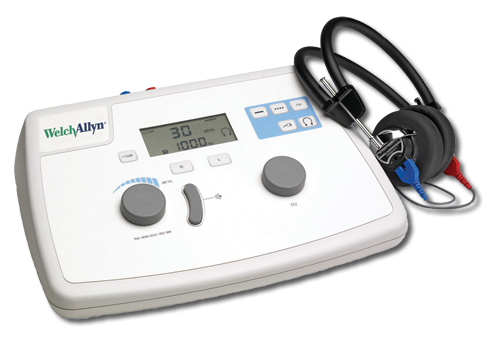
Diagnostic tools in audiology have also undergone significant transformation. Advanced audiometers, otoacoustic emission tests, and auditory brainstem response machines are now more accurate and user-friendly than ever before. These tools provide audiologists with detailed information about a patient’s hearing health, aiding in the development of targeted treatment plans.
The rise of telehealth has expanded the reach of audiology services, allowing patients in remote areas to access care without traveling long distances. Virtual appointments and remote programming of hearing aids are just a few examples of how telehealth is being integrated into audiology practices, enhancing patient accessibility and convenience.
In conclusion, continuous education is crucial for audiologists to stay abreast of these trends and advancements. By remaining committed to learning and professional development, audiologists can ensure they are equipped with the knowledge and skills necessary to provide the best possible care to their patients.
In the ever-evolving field of audiology, it is crucial for professionals to stay updated with the latest developments and knowledge. Continuous education not only ensures that audiologists are providing the best possible care to their patients but also contributes significantly to their professional growth and skill enhancement. There are a variety of opportunities available for audiologists to engage in continuous education, including formal university courses, workshops, seminars, online platforms, mentoring programs, and peer-to-peer learning groups.
Enrolling in formal university courses is an excellent way for audiologists to deepen their knowledge and expertise in specific areas within the field. These courses can range from short certificate programs to full-fledged Master’s or PhD programs. By pursuing higher education, audiologists can develop specialized skills and expand their career opportunities.
Workshops and seminars provide audiologists with the opportunity to learn from experts and network with fellow professionals. These events often cover a range of topics, from technological advancements to evidence-based practices, and can last anywhere from a few hours to several days. They are a great way for audiologists to quickly learn about new developments and trends in the field.
Online platforms, such as Coursera, Udemy, and LinkedIn Learning, offer a wide range of educational resources for audiologists. These platforms provide access to various courses and tutorials, covering topics like hearing aid fitting, tinnitus management, and balance disorders, among others. Additionally, many professional organizations, such as the American Academy of Audiology (AAA) and the American Speech-Language-Hearing Association (ASHA), offer online course libraries that audiologists can access by becoming members.
Mentoring programs are an excellent way for less experienced audiologists to learn from seasoned professionals. These programs can help mentees gain valuable insights into clinical practices, research, and professional development, while also providing a supportive environment for growth and learning. Audiologists interested in participating in a mentoring program can contact their professional organizations or local audiology societies for more information.
Joining or forming peer-to-peer learning groups is another effective way for audiologists to engage in continuous education. These groups can provide a space for professionals to share experiences, discuss case studies, and stay up-to-date on the latest developments in the field. Additionally, being part of a learning group can help audiologists build a strong professional network that can benefit them throughout their careers.
To ensure that audiologists are up to date with the latest knowledge and practices in their field, licensing requirements in different regions often include provisions for continuing education. Understanding these requirements is crucial for maintaining professional credentials and staying current in the ever-evolving world of audiology.
Continuous education units (CEUs) are the standard measurement for educational activities beyond an initial professional degree. For audiologists, the number of CEUs required for license renewal varies by region. It is important to keep track of these requirements as they may affect your ability to renew your professional license.
While the specific courses that are accepted for CEUs can vary by region, there are generally accepted types of educational activities that contribute to your professional development:
Keeping accurate records of your continuing education activities is essential. Many licensing boards require audiologists to provide documentation of their CEUs as part of the license renewal process. Failure to maintain proper records can lead to delays in the renewal process or, in some cases, the loss of one’s professional license.
| Category | Typical Documentation Required |
|---|---|
| Formal Courses | Certificates of completion, course descriptions, and transcripts. |
| Workshops/Seminars | Participant confirmations, certificates of attendance, and program agendas. |
| Online Platforms | Certificates of completion and course completion records. |
| Mentoring Programs | Signed statements from mentors or mentees, outlining the scope and duration of the activity. |
| Peer-to-Peer Learning Groups | Meeting minutes, attendance logs, and agendas of sessions. |
By understanding the importance of continuous education and staying informed about certification and licensing requirements, audiologists can ensure they remain at the forefront of their profession, providing the best possible care to their patients.
Navigating the demands of clinical work while pursuing continuous education can be challenging for audiologists. However, with proper planning and the right strategies, it is possible to achieve a harmonious balance. Here are some tips to help audiologists maintain their professional and personal lives while actively engaging in education:
In the ever-evolving field of audiology, networking and collaboration play a crucial role in staying informed about the latest developments and best practices. Connecting with peers not only enhances one’s professional knowledge but also contributes to the collective growth of the field.
Membership in professional organizations such as the American Academy of Audiology (AAA) or the Academy of Doctors of Audiology (ADA) provides access to a wealth of resources and a network of professionals who share similar interests and challenges. These organizations often offer:
For instance, the American Academy of Audiology provides various programs and activities that foster professional growth through collaboration.
Attending conferences such as the American Speech-Language-Hearing Association’s (ASHA) Annual Convention or the AAA Conference is an excellent way to not only stay informed about the latest advancements but also to network with other professionals. Conferences offer:
“In learning you will teach, and in teaching you will learn.” – Phil Collins, this quote perfectly captures the essence of what can be gained from attending conferences.
Online platforms and forums, such as AudiologyOnline or LinkedIn groups dedicated to audiology, offer a space for professionals to share experiences, ask questions, and learn from one another. These platforms provide:
Collaboration among professionals is not just an added benefit; it is a necessity in a field that relies on the collective advancement of knowledge. By sharing experiences and insights, audiologists can improve patient care, refine their practices, and contribute to the broader understanding of hearing and balance disorders.
As technology and research continue to advance, so too must the commitment to collaboration and the pursuit of lifelong learning within the audiology community. It is through these efforts that audiologists can ensure they are providing the highest standard of care to their patients.
As we stand on the brink of a new era in audiology, it’s crucial to contemplate the future of continuous education within the field. Technological advancements, evolving research, and the growing complexity of hearing and balance disorders demand a forward-thinking approach to professional development.
The traditional methods of delivering education are undergoing a transformation. With the rise of e-learning platforms and the increasing accessibility of high-speed internet, online education is becoming more prevalent. This shift allows for enhanced flexibility in scheduling and the ability to learn from experts around the globe. Asynchronous learning opportunities provide audiologists with the means to fit educational pursuits into their busy schedules.
“The future of education is digital, and those who embrace this change will be well-positioned to stay at the forefront of their field.” – Dr. Jane Smith, Education Expert
Artificial intelligence (AI) and data analytics are poised to revolutionize the way audiologists learn and practice. AI can personalize learning experiences by providing tailored recommendations and feedback. Data analytics can help identify trends and areas where additional knowledge is most beneficial. These technologies can enhance the efficiency and effectiveness of continuous education, ensuring that learning is targeted and relevant.
Perhaps the most critical aspect of future directions in continuous education is the mindset shift toward lifelong learning. As new research and technologies emerge, the learning process becomes less about accumulating credits and more about a personal and professional commitment to stay current and provide the best care possible.
Lifelong learning is not just about keeping up with the profession; it’s about being an active participant in the advancement of the field. Audiologists who adopt this mindset are more likely to innovate, improve patient outcomes, and contribute meaningfully to the community.
In conclusion, the field of audiology is dynamic, and continuous education is the key to maintaining excellence. It is not enough to merely acknowledge the importance of staying informed—audiologists must actively seek out educational opportunities and embrace the ever-evolving landscape of knowledge. By doing so, they will not only enhance their professional capabilities but also ensure better patient care and ultimately improve the lives of those they serve.
To audiologists everywhere, we urge you to view continuous education as an investment in your patients, your profession, and, importantly, in yourself. Embrace the journey of lifelong learning and help shape the future of audiology for the better.
Category: Audiology
© 2026 www.audresources.org. All rights reserved.