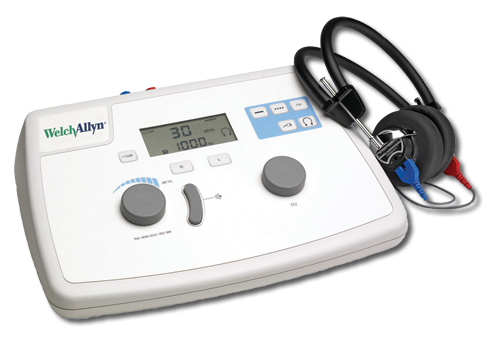
Audiology is a vital branch of healthcare that focuses on the diagnosis, treatment, and management of hearing and balance disorders. Central to this field are audiologists, highly trained professionals who play a crucial role in enhancing the quality of life for individuals with auditory impairments. They provide an array of essential services, which include hearing assessments, hearing aid fittings, and tinnitus management, among others.
Hearing Assessments: Audiologists use various techniques to evaluate an individual’s hearing ability. This process is crucial for diagnosing hearing loss and determining its extent and the potential causes. By performing comprehensive hearing assessments, audiologists can identify the specific type of hearing loss and recommend appropriate interventions.
Hearing Aid Fittings: With advancements in technology, hearing aids have become more effective and discreet, offering a variety of features to accommodate different types and degrees of hearing loss. Audiologists are instrumental in fitting patients with suitable hearing aids, ensuring optimal functionality and comfort. They also provide ongoing support and adjustments to ensure the hearing aids continue to meet the patient’s evolving needs.
Tinnitus Management: Tinnitus, the perception of ringing or other noises in the ears, can be a distressing condition for many individuals. Audiologists specialize in managing tinnitus through various approaches, such as sound therapy, counseling, and cognitive-behavioral interventions. They work closely with patients to develop personalized tinnitus management plans, which can significantly improve the patient’s overall well-being.
By addressing these aspects, audiologists contribute to the well-being of the hearing-impaired community, empowering individuals to communicate effectively and engage fully in their daily lives. The ultimate goal is to ensure that each patient receives the specialized care and support they need to navigate their unique auditory challenges.
To embark on a rewarding career in audiology, individuals need to meet specific education requirements. This typically includes completing an undergraduate degree, followed by graduate school, and obtaining licensure. Understanding the educational path can help aspiring audiologists prepare for the rigors of the profession.
Earning a bachelor’s degree is the first step towards becoming an audiologist. While there are no strict requirements for the type of undergraduate degree, it is beneficial to study subjects relevant to the field, such as speech-language pathology, communication sciences and disorders, or a related life science. These programs provide foundational knowledge in anatomy, physiology, and communication sciences, which are essential for a successful career in audiology.
After completing an undergraduate degree, the next step is to enroll in a graduate program. The most common degree pursued by audiologists is a Doctor of Audiology (Au.D.) program. Accredited Au.D. programs can range in length from three to four years, depending on the specific curriculum. They are designed to provide students with advanced coursework and practical training, typically consisting of both didactic and clinical experiences.
Accredited Audiology Programs:
It is crucial to choose an accredited Au.D. program that meets the standards set by the American Speech-Language-Hearing Association (ASHA) and the Council on Academic Accreditation in Audiology and Speech-Language Pathology (CAA). Graduating from an accredited program ensures that the necessary qualifications are met for licensure and certification.
During a graduate program, students engage in clinical practicum experiences to apply their classroom learning in a real-world setting. These experiences provide hands-on training in diagnosing, treating, and managing hearing and balance disorders. Students work under the supervision of licensed audiologists, allowing them to develop essential skills and gain confidence in their abilities.
Upon completing the Au.D. program, aspiring audiologists must complete a clinical fellowship year (CFY) before obtaining their license. The CFY is a 36-week, full-time experience that offers additional clinical training in a variety of settings. During this year, audiologists-in-training apply their knowledge, work with diverse patient populations, and develop professional competence under the guidance of more experienced professionals.
After completing the clinical fellowship year, audiologists must pass a national exam to obtain licensure. Licensure requirements vary by state, but all states require that audiologists be licensed to practice. Additionally, additional certifications, such as the Certificate of Clinical Competence in Audiology (CCC-A) offered by ASHA, demonstrate proficiency and can enhance career prospects.
Aspiring audiologists should commit to a lifelong learning journey by staying informed about industry advancements and adhering to certification requirements. Through professional development and continuing education opportunities, audiologists can further their expertise and knowledge in the field.
The field of audiology offers a wide range of specializations, allowing professionals to refine their skills and expertise to meet the diverse needs of patients. Specializing in a particular area can lead to a more rewarding career and improved patient care, as it allows audiologists to focus on specific challenges and treatment options. Here, we’ll explore some of the key specializations within audiology.
Working with children requires a unique skill set, as young patients often have different needs than adults. Audiologists who specialize in pediatrics may work with newborns, infants, and adolescents with hearing loss or other auditory challenges. This specialized knowledge can help audiologists provide appropriate interventions and support for children’s speech and language development.
Older adults make up a significant portion of patients with hearing loss, and audiologists who specialize in geriatrics are well-equipped to address the unique challenges they face. This may include proper fitting and adjustment of hearing aids, tinnitus management, and counseling for patients and their families about hearing loss and treatment options.
Audiologists who specialize in cochlear implantation are trained to assess, test, and fit patients with these life-changing devices. This specialization requires a strong foundation in the anatomy and physiology of the auditory system, as well as an understanding of the benefits and limitations of cochlear implants.
Tinnitus, or ringing in the ears, is a common condition affecting millions of people worldwide. Specialized audiologists in tinnitus management can help patients find relief from their symptoms through various intervention techniques, such as sound therapy, counseling, and hearing aids.
Audiologists with a focus on vestibular disorders are trained to diagnose and treat balance and dizziness issues. This may include evaluating the vestibular system, prescribing rehabilitation exercises, and providing other interventions to improve patients’ quality of life.
By specializing in a particular area of audiology, professionals can develop a deeper understanding of the unique challenges faced by their patients and offer targeted, effective treatments. Specializing can also lead to increased job satisfaction and career opportunities, as audiologists become known for their expertise in specific areas of practice.
The field of audiology offers a wide variety of career pathways for professionals passionate about hearing healthcare, ranging from clinical practice to research and education. Audiologists can find themselves in diverse work settings, such as hospitals, private practices, universities, and manufacturing companies. In this section, we will explore the various career options available to audiologists, and the growth and demand for professionals in different geographic regions, as well as the importance of professional networking.
Many audiologists work in clinical settings, providing direct patient care. These professionals diagnose, assess, and manage hearing and balance disorders, offering a range of services such as hearing assessments, hearing aid fittings, and tinnitus management. A clinical audiologist might work in a variety of settings, including:
Working in clinical practice gives audiologists the opportunity to directly impact the lives of their patients, helping them overcome communication barriers and improve their quality of life.
For those audiologists who are interested in the scientific aspects of the field, a career in research can be a fulfilling choice. These professionals conduct studies and experiments to improve our understanding of hearing and balance mechanisms, uncovering new treatments and technologies to address hearing impairments. Research audiologists may work in academic institutions, private laboratories, or government research facilities.
Additionally, some audiologists choose to pursue a career in academia, teaching and mentoring future generations of hearing healthcare professionals. These professionals might work as faculty members in universities or as instructors in colleges and technical schools, sharing their expertise through lectures, tutorials, and clinical supervision.
Beyond these three primary career pathways, audiologists can find opportunities in various other work settings, including:
The demand for audiologists varies across different geographic regions, influenced by factors such as population growth, increasing awareness about hearing healthcare, and the prevalence of noise-induced hearing loss. According to the Bureau of Labor Statistics, the employment of audiologists is projected to grow 16% from 2019 to 2029, which is much faster than the average for all occupations. This growth is driven by an increasing aging population and a higher incidence of noise-induced hearing loss.
As in any professional field, networking is vital for career advancement in audiology. Developing connections with colleagues, attending conferences, and joining professional organizations such as the American Speech-Language-Hearing Association (ASHA) and the American Academy of Audiology (AAA) can help audiologists stay current with industry advancements, expand their knowledge base, and identify new career opportunities.
Participating in professional events and organizations can also provide valuable mentorship opportunities and foster collaborations among researchers and clinicians. Audiologists who remain actively involved in their professional community will be well-positioned to take advantage of the diverse career pathways the field has to offer.
The field of audiology has undergone significant technological advancements over the years, enhancing the quality of interventions and improving patient outcomes. These innovations have transformed the landscape of the profession, providing audiologists with a broader range of tools to tackle hearing and balance disorders effectively. In this section, we explore some of the most notable advancements in audiology technology and the emerging trends shaping the future of the field.
One of the most significant advancements in audiology has been the development of implantable hearing devices. These devices have revolutionized the treatment of severe to profound hearing loss, providing patients with a higher quality of life. Cochlear implants, for instance, have become a standard treatment option for many individuals with severe hearing loss, particularly in the pediatric population. These devices bypass the damaged inner ear and directly stimulate the auditory nerve, allowing individuals to perceive sounds and participate in conversations.
| Feature | Description |
|---|---|
| Optime Smart | The world’s first Made for iPhone Cochlear Implant soundprocessor with direct connectivity. |
| Hearing Aid Compatibility | Compatibility with most hearing aids on the market for bimodal hearing solutions. |
| Bimodal Solutions | Integration with hearing aids for optimal bimodal outcomes. |
In addition to cochlear implants, wireless hearing aids have become more advanced and discreet, offering improved sound quality and seamless connectivity with mobile devices. These hearing aids not only amplify sounds but also come with smartphone applications that allow users to adjust settings remotely, customize their listening experience, and even locate misplaced devices.
Teleaudiology is an emerging trend that has gained considerable momentum over the past few years. This service delivery model leverages technology to provide remote audiology services, improving access to care for patients living in underserved areas or those facing mobility challenges. Teleaudiology platforms allow for remote consultations, hearing evaluations, and even rehabilitation services, making it easier for patients to receive the care they need without the burden of travel or time constraints.
The future of audiology is bright, with advancements continuing to reshape the field. As technology progresses, audiologists will have access to more sophisticated tools and interventions, ultimately leading to better patient outcomes. It is essential for audiologists to stay abreast of these advancements and embrace technological innovations to provide the highest quality care possible.
Given the rising prevalence of hearing loss worldwide, driven by an aging population and noise exposure, the employment outlook for audiologists appears promising. According to the U.S. Bureau of Labor Statistics, employment of audiologists is projected to grow 16% from 2019 to 2029, which is much faster than the average for all occupations.1 This substantial growth is attributed to the increasing demand for hearing healthcare services, as more individuals seek assistance for hearing and balance problems.
Salary Expectations
Compensation for audiologists varies depending on several factors, such as geographic location, specialization, experience, and work setting. According to the U.S. Bureau of Labor Statistics, the median annual wage for audiologists was $78,850 per year or $37.93 per hour as of May 2020.2 The highest-paid audiologists earned more than $124,390 annually.
Locations with the Highest Average Salaries for Audiologists (2020)
Topping the list is Rhode Island, where audiologists earn an average annual salary of $105,060. Alaska and Connecticut follow closely with average salaries of $99,920 and $93,180, respectively.3 To view the full list of state-by-state salary data, please refer to the U.S. Bureau of Labor Statistics’ website for Occupational Employment and Wages.
Job Satisfaction
For many audiologists, their work is not just a job but a fulfilling career characterized by the opportunity to make a meaningful difference in the lives of their patients. “Helping people regain their connection to their environment and loved ones through hearing care is incredibly rewarding,” said Dr. Rachel Bishop, an audiologist with twenty years of experience.
A report titled “Income, Income Inequality, and Job Satisfaction in the United States (2008–2012)” published in the Journal of Behavioral and Experimental Economics indicates that the audiologist profession ranks as one of the top 10 careers in terms of life satisfaction.4 The results are noteworthy since, in many cases, the determinants of professional satisfaction are found in factors other than compensation, such as career opportunities, work-life balance, and the ability to contribute meaningfully to society.
In summary, audiologists can look forward to a thriving profession marked by favorable employment rates, diverse career pathways, competitive salaries, and the immense satisfaction derived from improving patients’ quality of life. Pursuit of a career in audiology is not merely an investment in one’s future but an invitation to join a noble and evolving profession dedicated to serving those with hearing and balance challenges.
Engaging in professional development and continuing education is essential for audiologists to stay informed and up-to-date with the latest advancements in the field, maintain professional certifications, and enhance their knowledge and skillset. These ongoing learning opportunities ensure that audiologists can provide the best possible care for their patients.
Audiologists must meet certain requirements to maintain their certifications and licensing. According to the American Speech-Language-Hearing Association (ASHA), “professionals maintaining their Certificate of Clinical Competence in Audiology (CCC-A) are required to complete 30 hours of continuing education every three years”. The American Board of Audiology (ABA) also mandates thirty hours of continuing education over a three-year period for the maintenance of board certification.
Joining professional organizations such as the American Speech-Language-Hearing Association (ASHA) and the American Academy of Audiology (AAA) opens up various avenues for networking, mentorship, and continuous learning. These organizations host conferences that offer cutting-edge research, expert speakers, and valuable workshops on diverse topics in audiology. For example, AAA’s annual conference, also known as AudiologyNOW!, provides members with numerous opportunities for professional development.
In today’s digital age, audiologists have access to a plethora of online resources and courses to support their continuing education. Online platforms like Audiology Online and MedBridge offer courses, webinars, and training modules that cater to various areas of expertise, allowing audiologists to hone their skills in specific areas of interest.
Many audiological equipment manufacturers and organizations offer workshops and hands-on training opportunities to help audiologists stay updated on the latest technology and diagnostic tools. Attending these workshops can be invaluable in expanding one’s knowledge base and keeping abreast of industry advancements.
Audiologists can also contribute to the growth of the field by participating in research and publishing their findings in peer-reviewed journals. This not only helps to remain informed about the latest breakthroughs and developments but also demonstrates dedication to the profession and enhances professional credibility.
In conclusion, professional development and continuing education are crucial for audiologists to stay current with industry advancements, maintain certifications, and provide the best care for their patients. By leveraging resources such as conferences, online courses, workshops, and research opportunities, audiologists can build a fulfilling career and make an impact on the lives of those living with hearing and balance disorders.
Category: Audiology
© 2026 www.audresources.org. All rights reserved.