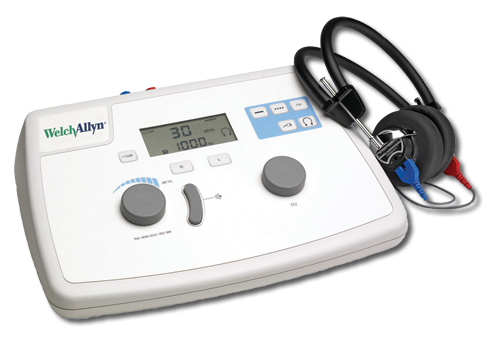
Teleaudiology is a rapidly emerging field that involves the delivery of audiological services through telecommunication technology. This innovative approach leverages modern internet-based solutions to overcome the limitations of traditional in-person care. In recent years, particularly during the current global pandemic, the significance of telehealth has skyrocketed, bringing to light the potential of teleaudiology in improving access to hearing care.
The range of services offered through teleaudiology is extensive, covering remote hearing assessments, consultations, and rehabilitation. This means patients with hearing impairments can now receive professional assistance without the need for frequent visits to specialized clinics. Additionally, it allows audiologists to provide follow-up care, monitor patients’ progress, and make necessary adjustments to their treatment plans with much greater ease.
Teleaudiology has proven to be an effective and efficient solution, particularly for patients who may have difficulty accessing specialized audiological services due to geographical barriers, mobility issues, or other constraints. By connecting patients with audiologists through secure online platforms and telehealth software, teleaudiology is revolutionizing how hearing care is delivered and accessed.
As we delve deeper into the evolving landscape of hearing care, it’s clear that teleaudiology offers a promising new perspective that will continue to transform the way patients and providers interact, ultimately paving the way for a more accessible and comprehensive approach to hearing health.
Access to audiological services is a critical aspect of healthcare, particularly for individuals with hearing impairments. However, geographical barriers continue to limit access to these essential services, especially in remote and rural communities. The lack of audiologists in specific regions exacerbates this problem, leaving many patients without proper hearing care.
Limited Availability of Audiology Professionals
A significant contributor to the problem is the limited availability of audiologists in certain regions. This scarcity is particularly pronounced in rural areas where distance from medical facilities and limited transportation options pose additional challenges for patients. For example, a study conducted in the United States highlighted severe shortages of audiologists in rural areas, with some areas reporting a deficit of more than 50 audiologists per patient population (Kochkin et al., 2010).
These barriers to access have a direct impact on the quality of life and overall well-being of individuals who rely on hearing care interventions. When patients are unable to obtain timely hearing assessments or follow-up consultations, they may suffer from the following:
Teleaudiology represents a promising solution to the challenges posed by geographical barriers, as it leverages modern telecommunication technology to revolutionize the delivery of hearing care services. By providing remote assessments, consultations and rehabilitation, teleaudiology offers a way for audiologists to reach out to patients across vast distances, surmounting the obstacles posed by rural isolation and limited resources.
In conclusion, the need for teleaudiology is evident in various capacities, with its potential to bridge gaps in care access and provide a solution to the ongoing challenges in hearing healthcare faced by many patients worldwide. As technology continues to advance, teleaudiology promises to play a pivotal role in the future of healthcare while offering improved quality of life and enhanced accessibility for patients in need of these services.
To drive the adoption and expansion of teleaudiology, audiologists and healthcare providers are encouraged to incorporate best practices, such as continuous education, research, and leveraging technological advancements to promote equitable access to hearing care for all patients. By embracing teleaudiology, the healthcare community can propel forward in eliminating the geographical barriers that hinder optimal hearing care and, ultimately, improve the lives of individuals living with hearing impairments.
The growth of teleaudiology can be attributed to the substantial advancements in the telecommunication and information technology sectors. This evolution has provided new opportunities for remote assessment, diagnosis, management, and rehabilitation of individuals suffering from hearing impairments. Important advances in technology include:
These developments have propelled teleaudiology toward the forefront of modern hearing healthcare. This innovative approach to service delivery has the potential to transform accessibility to care and improve patient outcomes, ultimately making hearing healthcare more affordable, convenient, and of higher quality.
As society becomes increasingly connected and technology continues to evolve, teleaudiology will continue to grow in uses, efficiency, and scope. The continuous enhancement of telecommunication technology and the increasing adoption of telehealth solutions will further expand teleaudiology’s reach.
Teleaudiology offers a multitude of advantages to both patients and healthcare providers, revolutionizing the remote delivery of audiological services. This innovative approach allows for increased accessibility and convenience, particularly for those living in rural or remote areas with limited access to hearing care specialists.
The incorporation of teleaudiology into traditional audiology practices not only enhances the patient experience but also empowers providers to expand their scope of care. By leveraging technology to bridge geographic gaps, teleaudiology has the potential to democratize hearing care, ensuring that all individuals, no matter their location, have access to the services they need.
The integration of teleaudiology into audiological practices is not without its challenges. It’s crucial to address these hurdles to ensure the successful implementation and widespread adoption of teleaudiology services.
One of the primary challenges audiologists face when implementing teleaudiology is the need for technical training. Audiologists must be proficient in the use of telecommunication technology, video conferencing tools, and telehealth software to provide quality services. To overcome this, continuing education programs and training opportunities should be made available to audiologists.
Navigating the legal and regulatory framework surrounding telehealth services can be complex. It’s essential for audiologists to understand and comply with the regulations specific to their jurisdiction. Professional organizations and regulatory bodies can play a significant role in providing guidance and ensuring adherence to best practices.
Sufficient infrastructure, including reliable internet access and appropriate software platforms, is necessary for the effective delivery of teleaudiology services. In some regions, particularly rural or remote areas, the lack of adequate infrastructure may limit the feasibility of teleaudiology. Audiologists and policymakers must work together to address these infrastructure gaps.
Maintaining patient privacy is paramount in the delivery of healthcare services, including teleaudiology. Audiologists must ensure they use secure and HIPAA-compliant platforms for communication and data storage. Patient education on the privacy features of teleaudiology services can also help alleviate concerns and build trust.
To address these challenges, several strategies can be employed:
By proactively addressing these challenges, audiologists can pave the way for the successful integration of teleaudiology, ultimately expanding access to hearing care for patients.
The field of teleaudiology is rapidly evolving, and the incorporation of cutting-edge technology is at the forefront of its future. As practitioners look ahead, several emerging trends and innovations show promise for enhancing hearing care provision.
AI has the potential to revolutionize teleaudiology by providing advanced diagnostics and automated treatment plans. For instance, AI-driven algorithms can analyze auditory data more accurately and efficiently than ever before, leading to more personalized and effective hearing interventions. By utilizing AI, practitioners can automate routine tasks, allowing them to focus more on patient care and complex cases.
Augmented reality (AR) and virtual reality (VR) technologies offer exciting possibilities for teleaudiology, including realistic simulations for auditory training and rehabilitation. These immersive experiences can help patients adapt to their hearing aids or cochlear implants in a controlled, virtual environment, improving their comfort and confidence in real-life situations. VR can also be used to train audiologists, simulating complex scenarios for them to practice and sharpen their skills.
Wearable devices, such as smart hearing aids and earbuds, are becoming more sophisticated and can integrate with mobile health (mHealth) apps. These apps can monitor hearing health, provide real-time environmental audio adjustments, and offer personalized hearing strategies. As these devices become more capable, they can send vital data directly to audiologists for review and adjustment, enhancing the continuity of care.
Cloud computing allows for seamless information sharing and collaboration among healthcare providers, regardless of their physical location. This technology can enable remote audiologists to work in tandem with local medical professionals, ensuring patients receive comprehensive care that incorporates multiple perspectives.
With the advancement of 5G and the Internet of Things (IoT), the infrastructure necessary for reliable teleaudiology services will expand. Faster internet speeds and more robust connectivity will improve the quality of telecommunication sessions, making real-time diagnostic assessments and consultations more accurate and efficient.
As teleaudiology continues to adapt and innovate, it is crucial for audiologists and healthcare providers to stay informed about these technological advancements and embrace them in their practice. By doing so, they can provide more accessible, effective, and personalized hearing care services to their patients.
In conclusion, the future of teleaudiology is bright, with the potential to transform how hearing care is delivered. By embracing these emerging technologies, the field can overcome geographical barriers, improve patient outcomes, and expand access to high-quality hearing care for individuals around the world.
As teleaudiology continues to grow and become an integral part of hearing care provision, it is essential for healthcare providers and audiologists to understand the best practices for the successful adoption and deployment of these services. By incorporating these practices, the field of teleaudiology can reach its full potential in providing accessible, efficient, and high-quality hearing care.
In order to effectively deliver teleaudiology services, healthcare providers must stay up-to-date with the latest advancements in technology and care practices. Participation in continuing education courses, workshops, and webinars on topics such as telecommunication technology, virtual hearing assessments, and telehealth software can provide audiologists with the knowledge and skills needed to offer expert care remotely.
Regular training is also vital to ensure that the entire healthcare team – including audiologists, audiometrists, and administrative staff – understands the technology, processes, and expectations associated with teleaudiology services. As noted by the American Speech-Language-Hearing Association (ASHA), ongoing training and professional development are essential for “efficient, effective, and ethical practice”.
The integration of teleaudiology in hearing care is a dynamic and evolving field. Engaging in active research and collaboration with other healthcare providers, professionals, and institutions can contribute to the advancement of teleaudiology. By sharing experiences, insights, and best practices, audiologists and hearing care professionals can collectively continue to refine and improve the teleaudiology ecosystem.
Collaboration may involve partnering with universities and research institutions, participating in teleaudiology networks, or working closely with other healthcare providers who have successfully implemented telehealth services. This collaboration can lead to more effective and efficient teleaudiology practices.
As with any healthcare service, trust is an essential factor in the success of teleaudiology. In a virtual setting, building rapport with patients can be more challenging than a traditional in-person interaction. Consequently, audiologists must prioritize clear communication and empathy to ensure patients feel understood, valued, and confident in their teleaudiology experience.
Megan Hosey, an audiologist, states that “one of the vital components of delivering quality hearing care is the relationship you have with your patient”. By fostering a positive relationship built on trust and understanding, patients will be more likely to engage in teleaudiology for their hearing care needs, allowing teleaudiology to continue flourishing.
It’s crucial to educate patients on the benefits and potential limitations of teleaudiology to make an informed decision on using these services (Kochkin, 2021). Subsequently, as with any medical service, privacy and security are paramount. Healthcare providers must adhere to the Health Insurance Portability and Accountability Act (HIPAA) guidelines to protect patient information during teleaudiology appointments. Using secure online platforms and encrypted data transmission methods ensures patient confidentiality.
Continuous evaluation of teleaudiology outcomes and patient satisfaction is essential in guiding improvement and refinement. Gathering feedback from patients, healthcare providers, and other stakeholders can be instrumental in identifying areas for improvement, enhancing service offerings, and expanding the reach of teleaudiology services.
In conclusion, the successful implementation and expansion of teleaudiology services depend on a commitment to continuous education, collaboration, patient rapport, privacy, monitoring, and evaluation. Following these best practices, the field of teleaudiology can continue to evolve and play a vital role in providing accessible, innovative, and high-quality hearing care to all patients.
Category: Audiology
© 2026 www.audresources.org. All rights reserved.