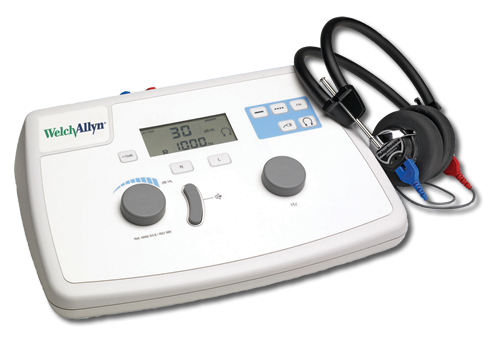
The field of audiology has come a long way in terms of diagnosing and treating hearing-related issues, but there remains a crucial need for innovation in diagnostic tools. As technology advances, so too must the methods audiologists use to assess and address hearing impairments. This article delves into the significance of innovation in diagnostic tools for audiology and examines the challenges faced by professionals when using traditional methods. We will also highlight how innovative diagnostic tools can address these challenges and improve patient outcomes.
The Importance of Innovation in Diagnostic Tools
Innovation in diagnostic tools is essential for the continued improvement and development of audiology as a discipline. With advancements in technology, new diagnostic tools offer a more accurate and efficient method of diagnosing and treating hearing-related issues. This is particularly important as the prevalence of hearing loss and related conditions continues to rise. The earlier a hearing impairment is detected, the more effective treatment can be, making innovative diagnostic tools a vital asset for both audiologists and their patients.
Challenges Faced by Audiologists with Traditional Methods
While traditional diagnostic tools have served the field for many years, they come with their own set of challenges. One significant issue is that they can be time-consuming, both in terms of administering tests and interpreting results. This can lead to longer wait times for patients and limits the number of individuals an audiologist can see in a day. In addition, traditional tools may not always yield accurate diagnoses, meaning that patients could be left without effective treatment or possibly receive inappropriate interventions. Intraoperative neurodiagnostic monitoring is a new and promising field developing rapidly, with several possibilities for providing even better services to patients, medical professionals, and hospitals.
Ultimately, the need for innovation in diagnostic tools for audiology is driven by the desire to find more efficient and accurate methods for diagnosing and treating hearing-related issues. As technology continues to evolve, so too will the tools available to audiologists. By embracing these advancements, the field of audiology can better serve its patients and improve the overall effectiveness of hearing-related healthcare.
In the ever-evolving field of audiology, technology plays a pivotal role in the development of innovative diagnostic tools. These advancements have the potential to revolutionize the way hearing-related issues are diagnosed and treated, improving outcomes for patients while providing audiologists with more accurate and efficient tools.
One of the significant technological advancements in audiology is the use of advanced imaging techniques. These techniques allow audiologists to visualize the inner ear, the auditory nerve, and other essential structures involved in hearing and balance. Some of these techniques include magnetic resonance imaging (MRI), computed tomography (CT), and optical coherence tomography (OCT).
MRI: This non-invasive imaging technique uses a strong magnetic field and radiofrequency pulses to produce detailed images of the body’s internal structures, including the auditory system.
CT: A computed tomography scan uses X-rays and computer processing to generate a detailed three-dimensional image of the patient’s anatomy.
OCT: Optical coherence tomography provides high-resolution, cross-sectional images of the inner ear, allowing for the identification of specific structural abnormalities that may be contributing to hearing loss.
These imaging techniques have significantly improved diagnostic accuracy, enabling audiologists to identify the specific causes of hearing disorders, such as congenital anomalies, tumors, or infections affecting the auditory system.
Another crucial aspect of technology in audiology is the use of digital signal processing techniques to analyze and interpret sound information. These techniques allow for the precise measurement and amplification of sound signals, improving the ability of audiologists to assess a person’s hearing capabilities.
Machine learning algorithms have also entered the realm of audiology. These algorithms enable diagnostic tools to interpret complex audiology data quickly and accurately, often outperforming traditional methods. Using diverse data sources, such as patient history, lifestyle factors, and genetic information, these algorithms can provide tailored diagnosis and treatment plans for patients.
By employing digital signal processing and machine learning algorithms, innovative diagnostic tools are providing more accurate and personalized diagnoses while simultaneously reducing the need for invasive procedures and lengthy testing sessions.
The integration of advanced technologies in audiology has drastically changed the landscape of hearing-related diagnoses and treatments. As a result, patients receive more accurate diagnoses and efficacious interventions, leading to improved outcomes and an overall better quality of life. Additionally, these innovations have allowed audiologists to deliver better care, streamline their practice, and focus on providing more patient-centered services.
While there are still challenges to be addressed, such as high costs and limited availability, the potential impact of these advancements on the field of audiology and the lives of patients is immense. The development of new technologies and the adaptation of existing technologies will undoubtedly continue to propel the field of audiology forward, providing even greater benefits to audiologists and patients alike.
Innovative diagnostic tools play a significant role in the field of audiology, providing numerous benefits to both healthcare professionals and patients. These tools help enhance the accuracy of diagnoses, improve the planning of targeted treatment options, and ensure cost-efficiency. In this section, we will explore the advantages of utilizing innovative diagnostic tools in audiology.
Traditional audiology diagnostic tools often provided limited information about a patient’s hearing abilities. However, innovative tools offer a more comprehensive view of hearing abilities by assessing various factors, including frequency range, speech clarity, and hearing thresholds. This comprehensive approach helps audiologists develop targeted treatment plans that address specific hearing issues.
Advanced imaging techniques and digital signal processing contribute significantly to the enhancement of diagnosis accuracy. By providing more detailed images and precise processing of audio signals, these innovative tools enable audiologists to make more accurate diagnoses, leading to better outcomes for patients.
The enhanced information provided by innovative diagnostic tools allows audiologists to create detailed treatment plans specifically tailored to a patient’s hearing challenges. This targeted approach ensures that patients receive the most effective treatment for their condition, ultimately improving their quality of life.
Innovative diagnostic tools have also proven to be more efficient and cost-effective compared to traditional methods. Many of these tools are now available as portable devices, making them more accessible to audiology professionals and expanding their reach to remote areas. In addition, the reduction in the number of diagnostic tests required, as well as the elimination of lengthy and complex diagnosis processes, also help to lower costs for healthcare providers and patients alike.
In conclusion, the implementation of innovative diagnostic tools in audiology has numerous advantages. These advancements have not only enhanced the accuracy of diagnoses but also contributed to more targeted treatment plans and improved efficiency and cost-effectiveness. As continued research in this field progresses, it is expected that even more advantages will be realized, improving the lives of patients with hearing challenges.
Modern audiology has witnessed significant advancements in diagnostic tools, enabling more accurate and effective evaluation of hearing-related conditions. These innovative tools have transformed the field, providing audiologists with greater capability to understand, diagnose, and treat various types of hearing loss and other auditory issues. Here, we will explore several key examples of innovative diagnostic tools being used in audiology today.
OAEs are auditory-evoked responses generated by the outer hair cells in the cochlea in response to sound stimulation. These emissions represent a non-invasive way to assess the function of the cochlea, particularly within the outer hair cell region. OAEs can be used to screen for hearing loss at various frequencies, as well as evaluate the integrity of the cochlea and middle ear function.
ABR is an objective measurement technique used to evaluate the function of the auditory nerve and brainstem pathways in response to sound stimulation. ABR is often used in the assessment of hearing loss, auditory processing disorders, and other neurological conditions affecting the auditory system. The test involves presenting a series of clicks or tones to the ear while recording electrical activity from the brainstem using surface electrodes.
Tympanometry is a diagnostic test used to evaluate the middle ear’s function by measuring the eardrum’s movement in response to changes in air pressure. The test helps to assess the condition of the eardrum and the middle ear structures, such as the ossicles and the Eustachian tube. Tympanometry can help diagnose issues like middle ear infections, eardrum perforations, and Eustachian tube dysfunction.
These tests assess a patient’s ability to understand spoken language in both quiet and noisy environments. Speech recognition testing evaluates the patient’s comprehension of words, phrases, and sentences, while speech-in-noise testing measures how well the patient can discern speech when faced with background noise. These tests provide essential information to help audiologists design more personalized treatment plans and hearing aids that can better address the patient’s needs.
Real-ear measurements help ensure that hearing aids are programmed and adjusted according to the unique characteristics of each individual’s ear canal. This technique measures how a hearing aid performs in the patient’s ear in real-time, providing the audiologist with direct feedback on the amplification levels and other settings. Real-ear measurements are a critical part of verifying and validating hearing aid fittings, ensuring optimal hearing aid performance.
Cochlear implant mapping and adjustment software are specialized tools that audiologists use to program and fine-tune cochlear implants for patients. These innovative tools allow audiologists to customize the implant settings based on each patient’s unique hearing needs, improving overall device performance and patient satisfaction.
These examples demonstrate the revolutionary impact that innovative diagnostic tools are having on the field of audiology. By providing audiologists with more comprehensive and accurate insights into patients’ hearing abilities and issues, these tools are paving the way for better treatment outcomes and enhanced quality of life for countless individuals.
While innovative diagnostic tools for audiology are making great strides, it is important to consider the challenges and limitations they may face. This section will explore the potential drawbacks of these tools and potential solutions.
Innovative diagnostic tools come with their own set of challenges and limitations. Here are some of the potential drawbacks:
Despite these challenges, there are potential solutions to help overcome these limitations:
In conclusion, while there are challenges and limitations to innovative diagnostic tools in audiology, these can be addressed by focusing on cost-effective models, expanding access through telehealth solutions, and providing adequate training and education opportunities for audiologists and hearing professionals. By doing so, the field of audiology can continue to advance and improve patient outcomes.
As technology continues to advance, the future of diagnostic tools in audiology is full of exciting possibilities. In this section, we will explore the potential for new technologies to further enhance the diagnosis and treatment of hearing-related issues. We will also discuss the potential impact of these innovations on the practice of audiology and the outcomes for patients.
Potential Innovations in Hearing-Related Diagnosis and Treatment
Impact on the Practice of Audiology and Patient Outcomes
These innovations in diagnostic tools and technologies have the potential to revolutionize the field of audiology, leading to improved patient care and outcomes. By enabling more accessible, accurate, and personalized diagnostic tools, we can expect to see an increase in early detection of hearing-related issues, allowing for prompt intervention and proactive management of these conditions. Furthermore, advancements in hearing aid technology will contribute to improved patient satisfaction and better quality of life through enhanced communication and hearing abilities.
In conclusion, the future of diagnostic tools in audiology is undoubtedly promising, with new technologies on the horizon that hold the potential to further enhance the diagnosis and treatment of hearing-related issues. As these innovations continue to be developed and refined, they will likely become more widespread, making these advanced diagnostic tools more accessible to patients and audiology professionals alike.
As discussed in previous sections of this article, innovative diagnostic tools have the potential to greatly improve the field of audiology. These tools can provide more accurate diagnoses, more targeted treatment plans, and ultimately better outcomes for patients. However, in order for these innovations to truly make a difference, they must be accessible to as many patients as possible. This includes considering factors such as cost, availability, and ease of use. Here are some recommendations for audiologists and hearing professionals looking to incorporate these tools into their practice.
In conclusion, innovative diagnostic tools have the potential to greatly improve the field of audiology. By providing more accurate diagnoses and better treatment outcomes, these tools can ultimately help more patients improve their hearing and quality of life. However, in order for these innovations to truly make a difference, they must be accessible to as many patients as possible. By investing in training and education, considering cost-effectiveness, ensuring availability, and advocating for continued research and development, audiologists and hearing professionals can help make these tools a reality for patients in need.
Category: Audiology
© 2026 www.audresources.org. All rights reserved.