The music industry and the broader culture have often romanticized the idea of the tortured artist, pushing the limits in pursuit of creative excellence. However, this mindset can have a profoundly damaging impact on the musicians’ health, with hearing loss and related issues such as tinnitus taking center stage. Indeed, many accomplished musicians have been forced to reduce or even end their careers due to the negative effects of prolonged noise exposure.
Hearing loss can result from various factors: genetics, infections, and the use of certain medications, amongst others. Still, it is generally accepted that excessive noise exposure is the main culprit within the music industry. Repeated and prolonged exposure to high decibel levels, particularly while playing, rehearsing, or attending concerts, can cause permanent damage to the delicate structures in the inner ear. This damage, which is often cumulative and irreversible, can significantly affect a musician’s ability to create and enjoy music.
Moreover, musicians’ careers often require them to perform at high-energy events and venues, exposing them to dangerously high noise levels, which may reach 120 decibels or more. This is well above the 85-decibel threshold considered safe for continuous listening. Consequently, hearing conservation must become a priority for all musicians ─ not only to protect their careers but also to maintain their overall quality of life.
To fully appreciate the importance of hearing conservation, one must recognize the vital role hearing plays in the life of a musician. Precise and accurate hearing is crucial to developing musical skills, making it possible to distinguish between notes, frequencies, and timbres. This nuanced understanding of sound makes it possible for musicians to compose, arrange, conduct, and perform in a technically proficient manner that is aesthetically pleasing to both themselves and their audience.
Furthermore, the communication between musicians during performances, rehearsals, and studio recordings relies heavily on their ability to hear and interpret each other’s music. Hearing impairment can significantly hinder a musician’s ability to collaborate effectively with other artists, which is absolutely essential for creating high-quality and captivating performances.
Lastly, hearing conservation benefits the cognitive and emotional aspects of a musician’s life. Music has the unparalleled ability to inspire and evoke emotion, but this is tempered by the risk of hearing loss. When musicians no longer have access to the blissful sounds that have shaped their artistic journey, it can lead to frustration, depression, and an eventual decline in their passion for music.
In conclusion, preserving hearing health is a critical component of a musician’s livelihood and overall wellbeing. Stimulating conversations, immersive experiences, and beautiful music can all be jeopardized by noise-induced hearing loss. Suffice it to say that musicians must prioritize hearing conservation to protect their careers, mental health, and the countless ways they enrich the world through their art.
Musicians are constantly in the presence of sound, whether it be during live performances, recording sessions, or simply practicing their craft. This exposure to varying levels of noise, both onstage and off, significantly increases the risk of long-term hearing damage.
To effectively manage hearing conservation, it is vital to understand and recognize the sources of excessive noise that musicians might encounter. This can range from:
By identifying these potential risks and hazards, musicians can take practical steps to minimize their exposure to loud noise and ultimately protect their precious hearing health. This may involve using appropriate hearing protection devices, like custom-molded earplugs, IEM systems, or earmuffs, during performances and rehearsals. Additionally, musicians can limit their time in noisy environments, like poorly acoustically designed venues or crowded bars, and consider wearing hearing protection in these situations. Always being aware of one’s environment and taking swift action to protect one’s hearing can go a long way in preserving musicians’ auditory abilities for years to come.
Collaborating with hearing healthcare professionals, such as audiologists, can bolster a musician’s ability to maintain and protect their auditory well-being. Audiologists, who possess knowledge and expertise in the field of hearing, can provide valuable feedback on the correct use of hearing protection devices, inform musicians about their specific hearing health concerns, and suggest further interventions, if necessary. They can also offer guidance on minimizing noise exposure in live performance settings, ensuring the long-term well-being of musicians and their instrumental colleagues.
By forming a support network among hearing healthcare professionals who understand the unique challenges musicians face, musicians can receive the targeted advice and assistance required to preserve their hearing health throughout their careers.
In-ear monitors (IEMs) can be a highly beneficial alternative to traditional on-stage monitors in minimizing potential hearing damage and improving overall sound quality during performances. Employing in-ear monitors can reduce excessive background noise, presenting a cleaner and more focused audio experience for musicians. IEMs can also lead to:
Selecting the right in-ear monitors and using them correctly is essential for maximizing their hearing conservation benefits. Musicians can seek guidance from audiologists and hearing healthcare professionals to find the proper IEMs, configure the most comfortable fit, and understand the best methods for using them both on stage and in studio settings.
Imparting information and awareness on hearing conservation techniques is pivotal in safeguarding musicians’ well-being. Music education institutions, conservatories, and studios can incorporate the principles of hearing conservation into their curricula, ensuring musicians have a comprehensive understanding of the risks and solutions available to them. Topics that should be addressed during these training programs may
In the world of music, early detection of hearing loss is essential for maintaining the health and longevity of musicians’ careers. By proactively setting up regular hearing screenings in conservatories, music schools, and other music education establishments, musicians can gain insight into their current hearing status and take necessary measures to prevent further damage.
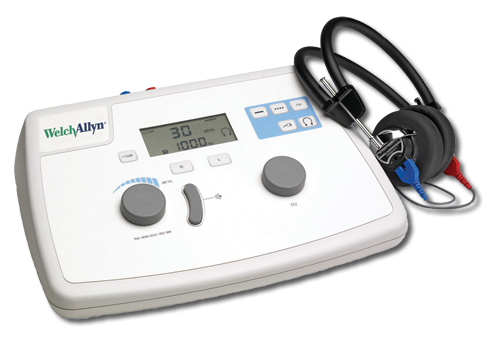
Various hearing screenings are available to musicians to assess the risk of potential hearing loss. The most commonly used techniques include:
By participating in a combination of these tests, musicians can accurately assess their hearing risk and take appropriate steps to mitigate further damage.
Regular hearing screenings provide various benefits for musicians, including:
In conclusion, implementing hearing screening programs for musicians is a crucial step in preserving their hearing health and ensuring their careers’ longevity. By identifying the various types of tests available and the numerous benefits of regular assessments, musicians can play an active role in protecting their hearing and preventing irreversible damage. Collaborating with health professionals and audiologists can further enhance the effectiveness of hearing conservation efforts.
One effective way to preserve hearing health for musicians is by utilizing hearing protection devices. These devices play a significant role in reducing noise exposure during performances and rehearsals, ultimately mitigating the risk of long-term hearing damage. There are several different types of hearing protection available, each with its unique advantages and drawbacks. Below, we will discuss the various options and provide tips for choosing the best solution for individual needs.
| Type | Advantages | Disadvantages |
|---|---|---|
| Foam Earplugs | Inexpensive, widely available, and easy to use | Suppress ambient and high-frequency sounds |
| Musician’s Earplugs | Preserve sound quality and reduce volume to a safer level | More expensive than foam earplugs |
| Custom-Molded Earplugs | Superior fit and better noise attenuation | Normally more expensive and require professional fitting |
| In-Ear Monitors (IEMs) | Personalized mix, improved sound quality, reduced stage noise exposure | Expensive, needs proper care and maintenance, possible ear fatigue |
When selecting the appropriate hearing protection devices for their needs, musicians should consider factors such as:
By carefully considering these factors, musicians can select an effective hearing protection solution that will help preserve their hearing health and ensure a lasting, successful career in the music industry.
As with any health issue, awareness and understanding are vital to successful prevention. With hearing conservation, it is crucial that musicians are well-informed about the risks posed by excessive noise and the potential impact it can have on their lives and careers. The goal of education and training is to equip musicians with the knowledge and skills necessary to protect their hearing effectively. Here are some effective methods for introducing hearing conservation techniques into music education:
Organizing workshops and seminars for musicians and music students can prove invaluable in raising awareness. These events should cover the importance of hearing conservation, the effects of loud music on hearing, and effective strategies to protect oneself from noise-induced hearing loss. Having experienced professionals, such as audiologists and hearing healthcare experts, present at these workshops can provide musicians with authoritative advice on how to best protect their hearing.
Experiential learning can be an effective way to teach musicians about hearing conservation. Examples of experiential activities include simulating the effects of loud noise on the ear with audio demonstrations or using a decibel meter to measure the noise level at concerts or during rehearsals. Hands-on experience can help musicians understand the dangers of loud noise exposure better than straightforward lectures, and these interactive sessions should be part of any comprehensive training program.
Integrating hearing conservation into music education curricula can help establish it as an essential aspect of musicians’ training. This can include incorporating topics such as the anatomy of the ear, the impact of loud noise on hearing, and hearing protection techniques into music theory or performance classes. Additionally, incorporating hearing conservation into the practical elements of music education, such as rehearsals, can further reinforce its significance in a musician’s life.
Utilizing online resources can make hearing conservation education more accessible to musicians. These can include free online courses, webinars, and a variety of informative articles and videos. Encouraging musicians and music educators to utilize these resources can enhance their understanding of the issue and empower them to take better care of their hearing.
Creating collaborative awareness campaigns that involve musicians, organizations, and hearing healthcare professionals can increase the visibility of the issue of hearing conservation in the music industry. Jointly developed materials, social media campaigns, and public events can help disseminate important information and guidance on hearing protection to musicians, fans, and the broader public.
Finally, it is essential to monitor the effectiveness of hearing conservation education initiatives and adapt them as needed. This may include surveying musicians to gauge their awareness of noise-induced hearing loss, evaluating their use of hearing protection devices, and adjusting educational strategies based on feedback. By doing so, the music community can ensure that hearing conservation remains a priority for musicians and fans alike.
On-stage monitors have long been a standard tool for musicians, providing live audio feedback to help them stay in sync and hear themselves performing. However, traditional monitors contribute significantly to excess noise, which poses a serious threat to the hearing health of musicians.
In-ear monitors (IEMs) provide an innovative alternative to on-stage monitors, offering a range of advantages that can significantly impact hearing conservation. IEMs consist of earbuds designed specifically for musicians, with custom-fitted speakers that rest gently inside the ear canal. This design allows for external noise isolation, providing clearer audio and safer decibel levels.
As sound engineer Andrew Urban successfully states, “In-ear monitors provide a clearer sound and a more precise noise isolation, which ultimately prevents a musician from turning up their monitor levels excessively.”
To learn about the experiences of other musicians and industry professionals using in-ear monitors, visit the following authoritative websites:
When selecting IEMs, consider the following factors:
After choosing the right IEMs, use them effectively by following these tips:
When it comes to hearing health, musicians should never underestimate the value of expert guidance. Working closely with healthcare professionals such as audiologists, ear doctors, and other specialists can be invaluable in identifying and managing potential issues related to hearing damage.
Audiologists are highly trained professionals with expertise in diagnosing and treating hearing-related problems. In the context of the music industry, they play a crucial role in helping musicians identify and address any hearing issues they might be experiencing.
One of their primary responsibilities is to conduct hearing assessments, which involve a series of tests designed to measure an individual’s ability to hear different frequencies. These evaluations can help detect any signs of hearing loss or other ear-related disorders early on, allowing for timely intervention and appropriate treatment.
Audiologists can also provide guidance on selecting and fitting hearing protection devices, such as custom-molded earplugs, ensuring that musicians receive the best possible protection from excessive noise exposure during performances and rehearsals.
Aside from their clinical work, audiologists can also contribute to hearing conservation efforts by conducting workshops and seminars on the importance of hearing health in the music industry. This educational outreach can help musicians gain a better understanding of the risks and consequences of poor hearing management.
For musicians experiencing hearing difficulties, healthcare professionals can offer a range of interventions designed to help manage and preserve their hearing health. These may include:
By collaborating with healthcare professionals, musicians can ensure that they have access to the latest resources and treatment options for managing and preserving their hearing health.
In the challenging environment of the music industry, it’s important for musicians to establish a strong support network of professionals who understand the unique challenges they face. Engaging with audiologists, ear doctors, and other healthcare professionals can be an essential part of creating such a network.
By working closely with these experts, musicians can benefit from:
In summary, a strong network of healthcare professionals and audiologists is critical for managing and preserving musicians’ hearing health. By engaging with these experts, musicians can ensure that they receive the specialized care and support they need to maintain their aural health and continue to succeed in their careers.
Category: Audiology
© 2026 www.audresources.org. All rights reserved.