Throughout history, audiological therapy has evolved to help individuals cope with hearing loss and improve their overall quality of life. As we trace the origins of this transformation, it is essential to look back at the traditional methods that laid the foundation for modern approaches to hearing care.
Initially, people suffering from hearing loss often had to rely on rudimentary methods to amplify sound, such as cupping their hands around their ears to collect and focus sound waves. However, the discovery of the eardrum’s role in the reception of sound and the development of the first hearing aids marked a turning point for individuals experiencing hearing loss.
In the 1840s, the invention of the ear trumpet, which resembled a horn or funnel, provided a simple solution to enable sound to be funneled directly into the ear canal. These devices were handcrafted and came in various shapes, sizes, and materials. Later in the Victorian era, hearing aids underwent another transformation with the invention of the Acoustic Lens, which improved the directionality of sound.
During the early 1900s, the development of vacuum tube amplifiers paved the way for the creation of electric hearing aids with amplified sound. These first electric hearing aids were bulky, consisting of considerable amounts of cumbersome equipment, and were tied to a power source. Nevertheless, they offered an unprecedented level of sound amplification for those with hearing loss.
In the 1950s, advances in hearing aid technology saw the emergence of small ear-level devices that were more discreet and comfortable. This new era of hearing aids enabled wearers to enjoy a higher quality of life, with devices becoming increasingly versatile and powerful.
Fast forward to today, where advancements in technology and miniaturization have allowed for the creation of incredibly small, discreet, and powerful hearing aids. Modern hearing aids feature computer programming, noise reduction, AI personalization, and Bluetooth connectivity. Furthermore, the integration of augmented reality and machine learning technologies opens up a world of possibilities for individuals with hearing loss.
The evolution of audiological therapy has not only focused on enhancing sound amplification but has also included addressing other hearing-related issues, such as tinnitus. Innovative treatments such as neuromodulation, transcranial magnetic stimulation, and cognitive-behavioral therapy are offering new hope for individuals suffering from tinnitus.
Alongside advancements in hearing aid technology, rehabilitation methods have also experienced a notable evolution. Rehabilitation programs now focus not only on improving communication skills, but also on cognitive processes such as attention, memory, and executive function. By considering the cognitive aspects of hearing loss, rehabilitation programs can provide more comprehensive and personalized solutions for patients.
Hearing aids have come a long way in recent years, thanks to advancements in technology. These cutting-edge improvements have led to devices that are more effective, efficient, and user-friendly. In this section, we’ll dive into the latest advancements in hearing aid technology, examining the design, functionality, and efficiency of modern devices.
One of the most exciting advancements in recent years has been the improvement of noise reduction in hearing aids. Modern devices are now equipped with more sophisticated filters and algorithms that can distinguish between speech and background noise, allowing users to hear conversations more clearly, even in noisy environments.
Another significant development is the integration of artificial intelligence (AI) into hearing aids. This technology allows the devices to learn from the wearer’s preferences and usage patterns, continually adjusting settings to provide a more personalized listening experience. This personalized approach can lead to better satisfaction and comfort for users.
Many modern hearing aids also feature Bluetooth technology, which allows for direct connection to various electronic devices. This means that users can stream music, movies, and phone calls directly to their hearing aids, enhancing the overall user experience. This connectivity also opens up new possibilities for remote adjustments and monitoring by audiologists.
Augmented reality (AR) and machine learning are emerging technologies that have the potential to greatly impact the field of audiology. AR can enhance the hearing aid experience by providing visual cues and context, while machine learning algorithms can process and adapt to changing audio environments, improving hearing performance in a range of situations.
Cochlear implants have come a long way since their inception in the 1970s. Today, these life-changing devices offer profound advancements in design, materials, and insertion techniques, paving the way for an increase in success rates and better outcomes for patients. This section will explore the latest improvements to cochlear implants and how they may broaden their reach to various types of hearing loss populations, such as children and people with single-sided deafness.
As cochlear implants have evolved, they have become increasingly adaptable, catering to various types of hearing loss and populations. Some notable advancements and expansions in the target audience of cochlear implants include:
Tinnitus is a debilitating condition that affects millions worldwide, characterized by a persistent ringing or other noise in the ears. The advancements in treating tinnitus have provided hope for many suffering from this distressing condition. This article will discuss the new treatment methods and emerging therapies that have the potential to improve patient outcomes.<
p>
One of the promising treatment methods for tinnitus is neuromodulation. This approach involves the use of various techniques to modify neuronal activity and provide relief from tinnitus. Neuromodulation includes various methods such as:
All these techniques have shown promising results in reducing tinnitus symptoms, although further research is needed to determine their long-term efficacy and safety.
TMS is an emerging therapy for tinnitus that has gained traction in recent years. In TMS treatment, a coil is placed against the scalp near the forehead, and short magnetic pulses are delivered to activate the brain regions involved in tinnitus. A study published in 2017 in the Journal of the American Medical Association found that a significant reduction in tinnitus symptoms was achieved in patients receiving active TMS treatment compared to the placebo group.
Another effective treatment approach for tinnitus is cognitive behavioral therapy (CBT). CBT is a psychological treatment that focuses on changing negative thoughts and behaviors associated with tinnitus. This therapy can help reinforce positive coping strategies, reduce distress, and improve patients’ quality of life. A review published in The Cochrane Database of Systematic Reviews indicated that cognitive behavioral therapy, in combination with tinnitus retraining therapy, can significantly reduce tinnitus-related distress and improve overall functioning.
Diagnosing and evaluating hearing and related issues is essential for effective audiological care. In recent years, innovations in diagnostic tools have significantly improved the ability to assess hearing, providing audiologists with a more detailed understanding of the auditory system and helping to tailor treatments for individual patients. This section will explore some of the most important advances in audiology diagnostics and evaluation.
Advanced hearing testing techniques have allowed for more accurate and detailed assessments of hearing loss and related conditions. Here are a few examples:
Electrophysiological tests measure the electrical activity of specific parts of the auditory system, providing key insights into the underlying causes of hearing loss or other auditory issues. Key electrophysiological assessments include:
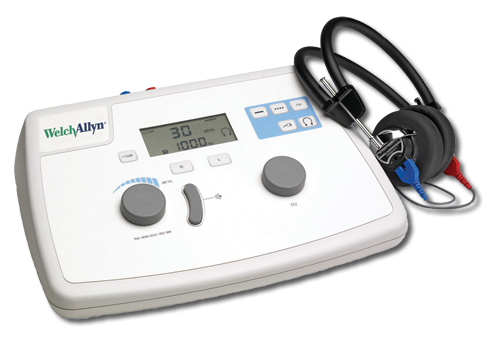
The advent of new and improved diagnostic equipment means that hearing evaluations are now faster, more accurate, and patient-friendly than ever before. Innovations in both hardware and software have made diagnosing hearing issues more efficient and effective, contributing to better patient outcomes overall.
| Diagnostic Tool | Advancements |
|---|---|
| Audiometers | More precise sound delivery and improved software for data analysis |
| Impedance Audiometers | Reduced testing times and increased accuracy in tympanometry and reflex testing |
| ABR Equipment | Innovative electrode designs and faster data acquisition |
As technology continues to advance, the field of audiology has witnessed significant improvements in tele-audiology, a rapidly evolving remote treatment approach that allows patients to receive audiology care and hearing screenings without physically visiting a clinic. Tele-audiology utilizes various digital platforms and tools to provide seamless and convenient audiology services, enhancing accessibility and ensuring better patient outcomes.
Tele-audiology encompasses a range of remote audiology services, including:
While progress in tele-audiology has been noteworthy, there are several potential obstacles worth addressing. Issues, such as inadequate internet access in certain areas and concerns about patient privacy, must be addressed to ensure equitable and effective tele-audiology services for all patients.
The future of tele-audiology appears promising, with researchers and clinicians exploring novel technologies, such as virtual reality and artificial intelligence, to further enhance patient care and expand treatment options. As technology continues to advance, tele-audiology will likely play a pivotal role in democratizing access to audiology care for individuals across the globe.
Today, there is a growing emphasis on integrating cognitive techniques in audiological rehabilitation. This approach recognizes the role of cognitive processes, such as attention, memory, and executive function in processing auditory information. Employing cognitive techniques can make a significant difference in the rehabilitation process for patients. Let’s explore the benefits of this approach and discuss the challenges faced by clinicians in designing and implementing these therapies effectively.
The integration of cognitive techniques in audiological therapy can lead to several benefits. It is essential to highlight these advantages to understand the rationale behind adopting such an integrated perspective. Some of the notable benefits include:
While the benefits of integrating cognitive techniques in audiological therapy are significant, some challenges must be acknowledged and addressed.
In conclusion, the integration of cognitive techniques in audiological therapy represents a promising and exciting avenue for the field of audiology. By focusing on both cognitive processes and the auditory system, clinicians can provide comprehensive, patient-centered care with improved outcomes. As more evidence emerges supporting the effectiveness of this integrated approach, it is likely that cognitive techniques will play an increasing role in the future of audiological therapy.
Category: Audiology
© 2026 www.audresources.org. All rights reserved.