Telehealth, as a concept, has become increasingly significant in modern healthcare delivery. It refers to the use of electronic information and telecommunications technologies to support long-distance clinical healthcare, patient and professional health-related education, public health, and health administration. The evolution of telehealth can be traced back several decades, with its earliest iterations dating to the 1960s when hospitals began sharing patient information via telephone.
Over the years, telehealth has evolved dramatically, driven by technological advancements that have not only made it possible but also essential for healthcare delivery. With the advent of the internet, digital communication technologies have become more sophisticated, enabling high-quality real-time interaction between healthcare providers and their patients.
In the realm of audiology, telehealth has played a transformative role. Remote audiology services, or teleaudiology, leverage telehealth to provide hearing and balance assessments, hearing aid selection and fitting, tinnitus management, and other audiological services without requiring the patient to physically visit a clinic. This has expanded access to audiology care for individuals who face barriers such as distance, mobility issues, or limited access to local specialists.
The pandemic has been a significant catalyst for the adoption of virtual care, including teleaudiology. Social distancing measures necessitated by COVID-19 accelerated the adoption of telehealth services by providers and patients alike. The increased demand for remote healthcare services during the pandemic highlighted both the benefits and the immediate need for such services, particularly for vulnerable populations who are at higher risk of complications from COVID-19.
Furthermore, the concept of patient-centered care has gained prominence, with many individuals expressing a strong preference for convenient and accessible healthcare options that fit into their daily lives. This paradigm shift has contributed to the growing acceptance of remote audiology services, which can offer patients the flexibility to access care at a time and place that suits them best.
In conclusion, the evolution of telehealth has been a significant development in healthcare, particularly for niche areas like audiology. The integration of teleaudiology services into mainstream healthcare continues to expand, offering the potential for improved access, patient convenience, and cost savings. As technology evolves and privacy concerns are addressed, teleaudiology is likely to become an increasingly important component of comprehensive hearing healthcare.
The emergence of virtual audiology services has brought numerous advantages for patients, healthcare providers, and the wider healthcare system. These services have the potential to significantly improve patient care and outcomes while offering increased convenience and accessibility for both patients and practitioners.
One of the primary benefits of virtual audiology services is the potential for cost savings. By reducing the need for in-person appointments, patients can save money on transportation and time lost from work. Healthcare providers, on the other hand, may experience reduced overhead costs associated with maintaining physical office space and resources.
Virtual audiology services can make professional care more accessible for individuals in remote areas or those with limited mobility. Telehealth enables patients to access specialized care without having to travel long distances, ultimately bridging gaps in care for underserved populations.
Virtual audiology services offer patients a more convenient way to access care. They can schedule appointments that fit into their busy schedules, and they can seamlessly communicate with their healthcare providers remotely. This increased convenience may be particularly beneficial for individuals with hearing impairments who may struggle with communication in traditional healthcare settings.
Telehealth has the capacity to expand healthcare services to remote locations, where access to in-person audiology services may be limited or unavailable. This can help to ensure that individuals in rural areas have equal opportunities to receive timely and appropriate care for their hearing disorders.
Virtual audiology services can enhance the management and monitoring of hearing disorders. Telehealth technologies such as remote audiometry and hearing aid fitting software allow for the ongoing assessment and adjustment of hearing aids and other devices. This can lead to more effective treatment outcomes in cases of hearing loss and tinnitus.
Overall, the benefits of virtual audiology services highlight the potential for revolutionizing the way hearing healthcare is delivered. By increasing access to care, reducing costs, and improving patient outcomes, telehealth has the power to reshape the audiology landscape and further extend the reach of specialized care.
Implementing virtual audiology services in clinical practice comes with certain challenges and barriers that must be addressed by healthcare providers and patients alike. Understanding these issues is crucial for successfully integrating telehealth services in this particular field.
One of the primary concerns with telehealth services, including virtual audiology, is ensuring patient privacy and data security. As telehealth relies on online communication methods and the collection of personal data, it is essential to comply with relevant data protection regulations, such as the Health Insurance Portability and Accountability Act (HIPAA) in the United States. Failing to meet these requirements can result in severe consequences, such as legal penalties and loss of trust among patients.
The effective implementation of virtual audiology services requires access to appropriate infrastructure and technology to support telehealth. Inadequate internet connections or outdated equipment can limit the functionality and patient accessibility of these services. Additionally, healthcare providers must invest in the necessary teleaudiology technologies, such as video conferencing software and hearing assessment tools, to improve the accuracy of remote diagnoses and treatments.
Healthcare professionals need to be trained and educated in using telehealth technologies and services effectively. This not only enables them to provide high-quality virtual audiology care but also ensures that they are up-to-date with the latest advancements in this field. Continuous training and education are essential for ensuring the safe use of telehealth technologies and maintaining professional standards in providing care remotely.
A significant barrier to the widespread adoption of virtual audiology services is patient willingness to engage with telehealth options. Some patients might feel uncomfortable with the idea of receiving healthcare remotely or lack the technical skills required to participate in video consultations. Healthcare providers must work to overcome these obstacles by educating patients on the benefits of telehealth and providing clear instructions on how to access and use these services.
Differences in regulatory frameworks and professional guidelines across various regions can create difficulties in implementing virtual audiology services. Telehealth providers must be aware of the specific regulations that apply to them and ensure that their services are in compliance with these requirements. This includes adhering to professional standards and guidelines as outlined by organizations such as the Academy of Doctors of Audiology (ADA) and the American Speech-Language-Hearing Association (ASHA).
In conclusion, while there are challenges and barriers to implementing virtual audiology services, these issues can be addressed through appropriate patient education, training of healthcare professionals, investment in technology infrastructure, and adherence to relevant regulations and guidelines. Doing so will contribute to the successful integration of teleaudiology in clinical practice and potentially improve patient outcomes and access to hearing healthcare.
There are several teleaudiology technologies and platforms currently available, which have made it possible for health professionals to provide remote audiology services to their patients. Some of these technologies include video conferencing, remote audiometry, tinnitus management apps, and hearing aid fitting software. Below, we discuss these technologies, their features, advantages, and potential applications.
Video conferencing allows both the health professional and the patient to be virtually present during a session. This facilitates effective communication and ensures that the patient receives appropriate care. Some popular video conferencing platforms include Zoom, Skype, and Google Meet. Video conferencing can be useful for:
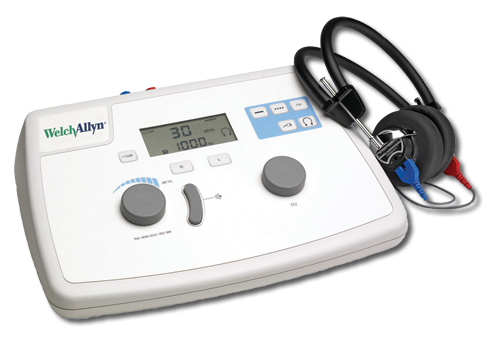
Remote audiometry is a technology that enables the remote assessment of a patient’s hearing. It can be achieved through devices such as remote hearing screening kits, smartphone-connected hearing tests, or patient-driven mobile apps. Some advantages of remote audiometry include:
Tinnitus management apps are designed to help individuals who experience ringing or buzzing in the ears (tinnitus). Many of these apps provide evidence-based therapeutic exercises, relaxation techniques, and educational resources. Some benefits of tinnitus management apps include:
Hearing aid fitting software allows healthcare professionals to adjust the settings of a patient’s hearing aids remotely. This technology enables the health professional to tailor the hearing aid to the patient’s specific needs without requiring an in-person visit. Advantages of hearing aid fitting software include:
In the realm of virtual audiology services, adhering to regulatory and ethical guidelines is crucial for maintaining patient trust and ensuring service quality. This section will provide an overview of these considerations, including licensure, professional guidelines, patient consent, and privacy and data protection regulations.
Just as traditional audiology services are regulated, teleaudiology services must also comply with the licensure requirements in the appropriate jurisdiction. Practitioners offering virtual audiology services must be licensed or certified in the state or country where the patient is located. This ensures that they are qualified and competent to provide services remotely.
In addition to licensure, professional organizations such as the American Speech-Language-Hearing Association (ASHA) and the American Academy of Audiology (AAA) provide guidelines for telepractice. These guidelines include standards of practice for distance service delivery, ensuring that teleaudiology services meet the same high standards as in-person care.
Obtaining informed consent from patients is a fundamental aspect of ethical practice in healthcare. For virtual audiology services, this includes informing the patient about the nature of the telehealth visit, the potential risks and benefits, and their right to withdraw from the service at any time. It is important to document this consent and to ensure that it is obtained before providing any remote services.
Privacy is a significant concern in telehealth, as it involves the transmission of sensitive health information. In the United States, the Health Insurance Portability and Accountability Act (HIPAA) sets standards for the security of electronic health data. For teleaudiology services to comply with HIPAA, providers must use secure platforms that encrypt data during transmission and meet stringent data protection requirements.
Here are some key elements to consider for HIPAA compliance in teleaudiology:
In the European Union, the General Data Protection Regulation (GDPR) provides a framework for the collection, storage, and use of personal data. Teleaudiology practitioners operating in or with patients from the EU must ensure their platforms comply with GDPR standards.
In summary, the implementation of virtual audiology services must take into account the legal and ethical considerations to protect patient rights and privacy. By staying informed about and adhering to these regulations, teleaudiology can continue to expand its reach while maintaining the highest standards of care.
Healthcare providers, particularly those in the audiology field, can greatly benefit from incorporating virtual audiology into their clinical practice. This section explores strategies for successfully integrating teleaudiology services, including selecting appropriate telehealth technology, establishing workflow integration, and identifying patient populations for teleaudiology care.
When selecting a teleaudiology platform, healthcare providers should consider factors such as ease of use, accessibility, and availability on various devices (mobile, tablet, desktop). Some commonly used teleaudiology technologies and platforms include video conferencing, remote audiometry, tinnitus management apps, and hearing aid fitting software. Providers can stay up-to-date on new and innovative technology by engaging with reputable sources like the American Speech-Language-Hearing Association (ASHA) and the Centers for Disease Control and Prevention (CDC).
Integrating teleaudiology into clinical practice involves developing a plan for workflow integration, such as scheduling virtual appointments, conducting telehealth consultations, and providing follow-up care. Additionally, identifying appropriate patient populations for teleaudiology care is essential to ensuring successful implementation. Teleaudiology may be particularly suitable for those with access barriers (e.g., transportation, distance) or difficulty attending in-person appointments.
The role of collaboration between healthcare professionals cannot be overstated in achieving optimal care coordination. By partnering with professionals in related fields such as primary care, mental health, and social work, providers can create a comprehensive plan for hearing healthcare services, tailored to meet the diverse needs of their patient population.
Citing the American Speech-Language-Hearing Association (ASHA):
“Integrating telepractice requires a systematic approach to planning, implementation, and ongoing refinement based on ongoing evidence.”
Implementing teleaudiology in clinical practice can result in increased accessibility, improved patient outcomes, and a comprehensive approach to meeting the diverse needs of patients seeking hearing healthcare. By thoughtfully selecting appropriate telehealth technology, integrating workflow into clinical practice, and fostering interdisciplinary collaboration, healthcare providers can successfully incorporate virtual audiology services.
As telehealth continues to grow and expand in various healthcare domains, the field of audiology is no exception. In this section, we will discuss the future of teleaudiology, including emerging technologies and innovations that may continue to enhance remote audiology services.
As teleaudiology has become more universally accepted, the demand for new and innovative technology solutions continues to grow. Some potential future applications include:
As new technologies emerge and are integrated into teleaudiology, it is essential to prioritize ongoing training and updates for healthcare professionals. This will ensure that providers are well-equipped to utilize these new tools and deliver the best possible patient care outcomes. Additionally, as the field of teleaudiology advances, it is crucial to continue monitoring privacy and data protection regulations such as HIPAA to ensure that patients’ sensitive health information remains secure.
According to the World Health Organization (WHO), an estimated 466 million people worldwide have some form of hearing impairment. Teleaudiology has the potential to bridge significant gaps in hearing care, particularly in remote and underserved areas. By expanding access to hearing care services through teleaudiology, the healthcare community can work towards providing a better quality of life for individuals affected by hearing loss, regardless of their geographical location.
By harnessing innovative technological developments and prioritizing the continued integration of teleaudiology in clinical practice, healthcare providers can work towards achieving universal access to high-quality hearing care services, ultimately improving the lives of countless individuals in the post-pandemic era.
Category: Audiology
© 2026 www.audresources.org. All rights reserved.