Hearing loss is a pervasive condition affecting millions of elderly individuals worldwide. As we age, the likelihood of experiencing hearing impairment increases, with studies suggesting that approximately one-third of people between the ages of 65 and 74 have hearing loss, and almost half of those older than 75 are affected. This widespread issue is not only a medical concern but also has significant impacts on the social, emotional, and psychological well-being of older adults.
Causes of Hearing Loss
Age-related hearing loss, known as presbycusis, is the most common cause of hearing impairment in older adults. Presbycusis results from the natural aging process, which can cause the inner ear’s nerve cells responsible for hearing to deteriorate over time. Exposure to loud noises, medication, and underlying health conditions, such as diabetes or heart disease, can also exacerbate hearing loss as we age.
Genetic and environmental factors also play a role in the onset of hearing loss. For example, a family history of hearing impairment might make an individual more susceptible to developing hearing loss earlier in life. Similarly, frequent exposure to loud noises from work, recreational activities, or even headphones can gradually damage the auditory system.
Effects on Daily Life
The consequences of hearing loss go beyond missing out on conversations. Hearing-impaired older adults often struggle with communication, which can lead to isolation, depression, and feelings of frustration. The cognitive strain of straining to hear can also increase the risk of cognitive decline and dementia. Additionally, hearing loss can negatively affect quality of life by interfering with the elderly’s ability to participate in activities and maintain relationships, which are essential for well-being in the later years of life.
The Role of Early Intervention
Given the prevalence and impact of hearing loss, early identification and intervention are crucial. By recognizing the signs of hearing loss and seeking professional evaluation, older adults and their caregivers can address the issue sooner, potentially slowing its progression and preserving the individual’s independence and quality of life. Moreover, understanding the causes and impacts of hearing loss can empower individuals and their families to make informed decisions about their care and advocate for accessible resources and support within their communities.
The first step to addressing hearing loss in the elderly is recognizing its prevalence and understanding how it affects daily life. By doing so, we can work towards better identification, support, and care for individuals dealing with hearing loss, ultimately improving their quality of life and fostering a more inclusive environment for all.
Hearing loss in the elderly can often go unnoticed, as the signs may be subtle and develop gradually. Early detection is crucial for promoting timely intervention and addressing the condition more effectively. In this section, we will discuss the importance of recognizing the early signs of hearing loss and share valuable insights to help loved ones and healthcare professionals identify them.
Early detection and intervention for hearing loss can make a significant difference in an elderly person’s quality of life. When addressed early, hearing loss management can lead to better communication, social engagement, and overall emotional well-being. Moreover, early detection helps reduce the risk of the hearing loss exacerbating, thereby making it easier to manage. Therefore, it is vital for family members, friends, and healthcare professionals to be vigilant and educated about the early signs of hearing loss.
There are several common indicators that suggest an elderly person might be experiencing hearing loss. Some signs to watch out for include:
1. Frequent requests for repetition: If an older adult is constantly asking for people to repeat themselves, it may be a sign that their hearing is diminishing. They might struggle to understand conversations or respond inappropriately to statements, as they are unable to hear or comprehend the information being shared.
2. Difficulty following conversations in noisy environments: Those with hearing loss often find it challenging to participate in conversations when background noise is present. Since they have difficulty differentiating between spoken words and background sounds, they may withdraw from social situations due to frustration and embarrassment.
3. Turning up the volume on televisions and radios: An elderly person with hearing loss may increase the volume to the point where it is uncomfortably loud for others. They may also have the television or radio on constantly as background noise, which can further contribute to the challenges of communication.
By understanding and recognizing the early signs of hearing loss, we can encourage timely intervention, ensuring a better quality of life for elderly individuals and supporting their well-being. Committed and well-informed loved ones and healthcare professionals play a vital role in promoting early detection and intervention for this common yet often overlooked condition.
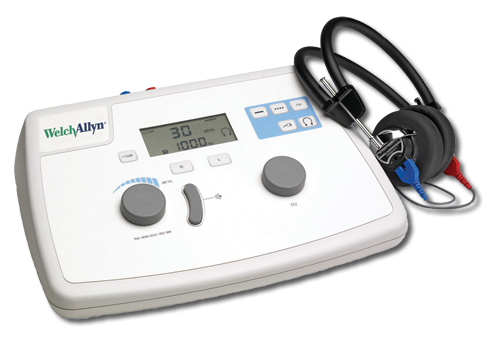
Early and accurate diagnosis of hearing loss is essential to develop targeted interventions that can significantly improve the quality of life of older adults. Audiological assessments play a pivotal role in detecting and diagnosing hearing loss in the elderly, providing a comprehensive evaluation of the individual’s auditory function. Below are some of the key assessment methods employed in audiological examinations.
When seeking an audiologist, it’s essential to select a licensed professional with experience in working with the elderly. The American Speech-Language-Hearing Association (ASHA) and the American Academy of Audiology (AAA) provide directories of certified audiologists and resources for patients and caregivers.
In conclusion, comprehensive audiological assessments are crucial for diagnosing hearing loss in older adults. Early detection and accurate diagnosis enable healthcare professionals to develop targeted interventions that can significantly improve the quality of life for individuals with hearing loss. It is also important to find a qualified audiologist to ensure the most beneficial treatment options are provided.
Addressing hearing loss in the elderly necessitates personalized intervention plans. An effective plan must take into account each individual’s specific situation and requirements. Here are various approaches that can be taken when developing such plans:
Before deciding on an intervention, you must evaluate the individual’s hearing loss level and the impact it has on their daily life. Additionally, factors like their physical comfort, lifestyle, budget, dexterity, and even personal preference should be taken into consideration during this stage.
For example, some seniors may prefer smaller hearing aids that are less visible to others, while others might want a more noticeable device that is easier to manage. Identifying these preferences is essential in selecting an intervention that will cater to the person’s specific needs.
Hearing aids are one of the most common intervention methods for addressing hearing loss. These devices come in a variety of types and designs, such as:
Each type of hearing aid has its advantages and limitations, so it is essential to discuss the options with the individual’s audiologist and consider their needs and preferences.
Assistive listening devices can also complement hearing aids or provide an alternative solution. These devices, including amplified telephones and alert systems, are designed to enhance specific listening situations.
In cases of severe hearing loss, implantable devices might be recommended. Two major types of implantable devices are the cochlear implant and the bone-anchored hearing systems or bone-anchored hearing aids (BAHA). These devices can provide substantial benefits for people with profound hearing loss.
These strategies are not only effective in reducing the difficulty of communicating with others but also in aiding with hearing aids. Some tips include:
Those with hearing loss can find these strategies invaluable in overcoming communication barriers.
It’s imperative to create an environment where those with hearing loss and their loved ones feel supported and educated. Outreach programs, community-based workshops, and support groups can be highly beneficial in promoting acceptance and the adoption of various interventions.
Collaboration among healthcare professionals, such as audiologists and speech-language pathologists, ensures consistent and coordinated care, addressing both the physical and emotional aspects of hearing loss intervention.
In summary, developing tailored intervention plans for the elderly with hearing loss requires a comprehensive understanding of each person’s specific needs and preferences. By considering individual hearing loss levels, lifestyle, comfort, and personal choices, we can help guide seniors towards the most effective and personally satisfying options for addressing their hearing loss.
Effective communication strategies are vital for improving the quality of life for individuals with hearing loss and their loved ones. By incorporating various techniques and tools, both parties can better navigate conversations and interactions. In this section, we will explore accessible communication practices that assist in fostering supportive dialogues for elderly people with hearing loss.
For family members and caregivers, it is crucial to understand and practice these strategies to create a supportive environment for the elderly with hearing loss. Promoting awareness about hearing loss and accessing appropriate resources can further aid in addressing this issue.
Enabling elderly people with hearing loss to engage meaningfully in their community requires a collective effort. Not only should individuals, families, and caregivers be aware of the challenges faced by those with hearing loss, but they should also be involved in advocacy efforts that promote hearing accessibility at the societal level.
For example, community-wide campaigns that educate members about the impact of hearing loss and the importance of communication techniques can empower people to actively support elderly individuals with hearing difficulties. Additionally, incorporating accessible technologies and infrastructures—such as hearing loops in public venues (like movie theaters and auditoriums) or promoting captioning services in media—enables people with hearing loss to engage fully with the world around them.
By adopting accessible communication practices and advocating for hearing-friendly policies and environments, we can provide the elderly with hearing loss the resources they need to thrive.
Hearing loss, as we have discussed, is a chronic condition that impacts millions of elderly individuals worldwide. It is essential to recognize that managing hearing loss requires long-term care and support to ensure the continued wellbeing of affected seniors. This section will outline the resources available to the elderly and emphasize the importance of healthcare professionals’ collaboration with specialized providers like audiologists, speech-language pathologists, and geriatric care managers.
There are various resources and services available to help elderly individuals with hearing loss access the care they need, including:
Healthcare professionals have a critical role in the long-term care of elderly individuals with hearing loss, including:
Overall, addressing hearing loss in the elderly requires a multifaceted approach, including early detection, comprehensive assessments, personalized intervention plans, and long-term care. By utilizing and developing the resources, services, and support networks available to those with hearing loss, we can help ensure a higher quality of life for these individuals and their loved ones.
Addressing hearing loss in the elderly is not just an individual effort; it also requires collective action to improve accessibility and welfare in the broader community. As societies continue to age, it is imperative that we provide support and create environments that cater to the needs of those experiencing hearing loss. Advocacy for policies, legislation, and regulations that promote hearing accessibility is crucial to this effort.
One example of advocacy at the societal level is the push for hearing loops in public venues. In-ear listening systems can help individuals with hearing aids by transmitting sound directly from a sound source, such as in theaters, conference halls, churches, or even in transportation vehicles, like buses and airplanes. Making these venues equipped with hearing loops present a significant step forward for hearing loss accessibility.
The Hearing Loss Association of America (HLAA) reports that over 700 transportation venues, including airports, charters, and buses, provide services using hearing loops, which help travelers seamlessly navigate their journeys.
Another crucial intervention is promoting captioning services in media and all forms of content, from television shows to live events. Captioning allows individuals with hearing loss to access vital information unobstructed by the filter of their auditory disorder. As per the World Health Organization (WHO), millions worldwide experience hearing loss, and captioning services contribute to their equal participation in society.
Supporting the elderly with hearing loss further extends to physical environments, such as public spaces, offices, and even homes. Aspects like improving natural lighting, minimizing background noise, and providing visual cues all contribute to a more accessible and user-friendly environment for those with hearing loss.
In conclusion, addressing hearing loss in the elderly is a multifaceted endeavor that requires individual support, tailored interventions, and collective actions to shape the environment and policies. Advocacy for these accessible environments and policies creates a more inclusive society, where individuals with hearing loss can participate effectively in their communities.
Category: Audiology
© 2026 www.audresources.org. All rights reserved.