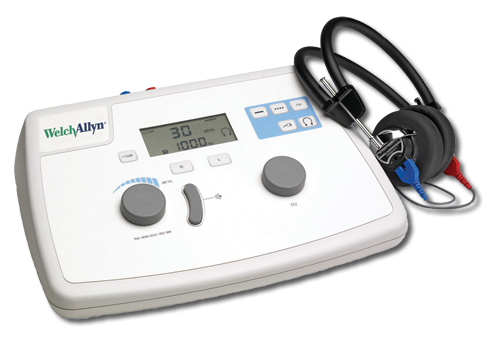
Hearing loss, a prevalent issue affecting millions worldwide, can have a profound impact on an individual’s daily life, communication, and social interactions. Understanding the types and causes of hearing loss can help appreciate the impact of hearing aids and how they can help improve the quality of life for those experiencing hearing impairments.
Hearing loss is classified into three main types: sensorineural, conductive, and mixed. Sensorineural hearing loss is the most common type, accounting for 90% of hearing loss cases. It is caused by damage to the inner ear, hair cells, or auditory nerve, making it difficult for the affected individual to perceive sounds and understand speech.
On the other hand, conductive hearing loss occurs due to issues that block sound waves from reaching the inner ear, such as earwax buildup, fluid, or ear infection. Individuals with this type of hearing loss may experience a decreased ability to hear faint sounds and may perceive speech as muffled.
Lastly, mixed hearing loss is a combination of both sensorineural and conductive hearing loss. The symptoms of mixed hearing loss can range from mildly affected hearing to severe hearing impairment, depending on the type and severity of the individual’s condition.
Hearing loss can significantly impact daily life by affecting communication, leading to feelings of isolation, and causing physical strain from constantly straining to hear. Moreover, hearing loss has been linked to cognitive decline, as the brain works harder to understand speech in a noisy environment and process leftover sounds.
By understanding the different types and causes of hearing loss, we can better appreciate the innovations and advancements in hearing aid technology that aim to improve the lives of individuals experiencing hearing impairments. Through amplifying sounds and reducing background noise, hearing aids can enhance communication and social interactions, physical and cognitive benefits, as well as overall mental health and emotional well-being.
An essential aspect of human life is the ability to communicate and participate in social interactions. Hearing aids play a crucial role in enhancing these abilities for individuals with hearing loss. By amplifying sounds and reducing background noise, hearing aids significantly improve an individual’s capacity to understand speech and engage in conversations.
With the aid of hearing aids, people with hearing loss can navigate their daily lives more effectively. These devices enable individuals to better understand conversations, attend work meetings, and enjoy watching television or movies, even in noisy environments. This enhanced capacity for understanding speech helps individuals with hearing loss be more present and active participants in various aspects of their lives, such as:
Social interactions play a vital role in maintaining our overall well-being. For individuals with hearing loss, hearing aids can greatly improve their ability to build and maintain relationships with friends, family, and colleagues. These devices enable more effective communication, reducing feelings of isolation and loneliness that can result from hearing loss. Improved communication – both verbal and non-verbal – can lead to a strengthened sense of belonging, self-esteem, and overall happiness within our social circles.
Additionally, hearing aids can alleviate communication-related stress and anxiety, as individuals no longer have to constantly ask people to repeat themselves or worry about misinterpreting what is being said. With the comfort that comes from a reliable hearing aid, people with hearing loss can develop a renewed sense of confidence in their communication skills and overall emotional well-being.
Undoubtedly, communication and social interactions are central to human life, and hearing aids play a crucial role in enhancing both for people with hearing loss. By amplifying sounds and reducing background noise, hearing aids significantly improve the quality of life for these individuals. Here, we’ll delve into how hearing aids improve communication and social interactions, and how they impact various aspects of daily life.
Hearing aids enable individuals with hearing loss to better hear and engage in conversations, and consequently, navigate their daily lives more effectively. Some benefits of improved communication include:
Improved communication not only enables individuals with hearing loss to better engage in their daily lives but also helps foster and maintain stronger relationships with friends, family, and colleagues. By reducing feelings of isolation and loneliness often associated with hearing loss, hearing aids can positively impact an individual’s overall well-being.
Effective communication through the use of hearing aids also benefits social interactions. With clearer understanding of conversations, individuals with hearing loss can participate in discussions more readily and confidently, express their ideas, and make meaningful contributions to conversations, ultimately feeling more connected to their communities.
By overcoming barriers to communication and social interaction, hearing aids can also contribute to the improvement of self-esteem and confidence. Individuals with better hearing are likely to have higher self-efficacy, increased motivation, and a greater sense of purpose and productivity.
In conclusion, the role of hearing aids in communication and social interactions cannot be understated. By enabling individuals with hearing loss to navigate their daily lives more effectively and engage with their social environments, hearing aids have the potential to significantly improve their overall quality of life. The positive impact on mental and emotional well-being further reinforces the importance of making hearing aids accessible and available to those who need them.
Hear loss can have more far-reaching effects beyond communication difficulties. Individuals with hearing loss often have to put in extra effort to understand speech in conversations, leading to physical strain and potential cognitive decline. Hearing aids can help alleviate several of these issues, providing various physical and cognitive benefits that significantly improve quality of life for users. Below are some of the ways in which hearing aids provide these benefits.
One of the vital roles of our auditory system is maintaining balance. A good sense of hearing is necessary to help us perceive our surroundings, understand spatial orientation, and avoid obstacles. With hearing loss, this essential function is compromised, potentially leading to an increased risk of falls, particularly in older adults.
A 2012 study published in the Journal of the American Geriatrics Society reported a 3-fold increased risk of falling in seniors with hearing loss compared to those with normal hearing. Using hearing aids has been shown to improve balance and reduce the risk of falling by restoring the auditory signal, enabling the brain to better position the body in space and respond to changes in the environment. By mitigating the risk of falls, hearing aids can contribute to overall physical health and independence.
Hearing loss forces the brain to work overtime trying to understand speech in noisy environments, a process called cognitive load. This constant cognitive effort leaves less mental capacity for other tasks, potentially leading to cognitive fatigue, information processing problems, and even cognitive decline in the long term.
Hearing aids can alleviate cognitive load by providing clear and amplified sound input to the brain, which in turn requires less processing power. This advantage enables users to spend less mental energy on hearing and can, in turn, use that cognitive capacity to function more effectively in day-to-day life.
People with hearing loss often struggle to hear by tilting their head or straining their neck and shoulder muscles to better capture specific sounds or angles. This awkward positioning can lead to chronic pain and discomfort, with some studies even reporting a link between long-term auditory deprivation and neck pain.
Hearing aid usage can reduce these physical strain symptoms by ensuring a clear and amplified auditory input, ultimately enabling a more relaxed posture and improved overall comfort.
Hearing aid use can have a substantial impact on an individual’s mental health and emotional well-being, particularly for those experiencing anxiety, depression, or social isolation due to their hearing loss. This section will explore how hearing aids help alleviate these negative emotions and improve an individual’s overall quality of life.
One of the most significant benefits of hearing aids is that they enhance communication and reduce feelings of social isolation. Hearing aids can make it easier for individuals with hearing loss to engage in conversations and navigate various social situations. This improvement in communication can help individuals maintain and build stronger relationships with friends, family, and colleagues. Moreover, it can decrease feelings of loneliness and isolation associated with hearing loss.
Hearing aids can greatly improve an individual’s self-esteem and confidence by enabling them to better hear and engage in conversations. People with hearing loss often feel self-conscious and struggle to express themselves in social situations. With the help of hearing aids, these individuals can effectively participate in their communities and experience increased self-worth and self-efficacy.
The need to constantly ask people to repeat themselves or misinterpret content can be a source of significant stress and anxiety for individuals with hearing loss. Hearing aids can alleviate these stressors by improving speech recognition and reducing the need for repeating conversations. As a result, individuals can experience a reduced level of anxiety and increased ease during interactions with others.
By enhancing communication and decreasing feelings of anxiety, hearing aids can help individuals with hearing loss experience a renewed sense of purpose and overall happiness. Instead of feeling disconnected and frustrated because of their hearing loss, individuals can now engage in conversations and connect with others without difficulty. These improvements in mental health and emotional well-being can lead to enhanced productivity, an increased sense of community, and a better quality of life.
In conclusion, hearing aids play a vital role in improving mental health and emotional well-being for those with hearing loss by enhancing communication, reducing social isolation, boosting self-esteem, alleviating communication-related stress and anxiety, and providing a renewed sense of purpose and happiness. As hearing aid technology continues to advance, these benefits will be made available to more people worldwide, improving quality of life for millions of individuals.
Although hearing aids offer numerous benefits to individuals with hearing loss, several challenges and barriers persist, hindering their widespread adoption. This article will explore these issues, shedding light on the pivotal role of improving access and addressing misconceptions surrounding hearing aids.
One of the primary challenges impeding hearing aid adoption is the stigma and psychological barriers surrounding hearing loss. Many individuals may feel uncomfortable acknowledging their hearing loss, equating it with aging or an impairment. This reluctance to accept the issue can lead to resistance towards obtaining hearing aids. Furthermore, there’s a general misconception that hearing aids are only for older adults, disregarding the fact that hearing loss can impact people of all ages.
“Hearing loss is often seen as a weakness or failure, leading to feelings of shame or anxiety when considering hearing aids. This stigma is detrimental to individuals seeking the support and treatment they need,” says Dr. Jennifer Derebery, an audiologist and co-founder of My Hearing Centers.
Another significant barrier to hearing aid adoption is financial. Hearing aids can be expensive, with costs often not covered by insurance plans. Potential users may be hesitant to invest in hearing aids due to the perceived high price, even though these devices can significantly improve quality of life. However, it’s important to weigh the long-term benefits of hearing aids against the initial cost. Individuals with untreated hearing loss may face additional expenses due to increased healthcare utilization, lost wages, and decreased quality of life.
With numerous hearing aid options available, individuals with hearing loss may feel overwhelmed when trying to choose the right device for them. Past negative experiences, such as poor fitting or dissatisfaction with sound quality, may also hinder individuals from pursuing new hearing aids. Additionally, some people may not have access to knowledgeable hearing care professionals or have limited resources when it comes to determining the most suitable hearing aid for their specific needs.
Access to hearing care professionals and appropriate hearing aid technology remains a challenge in certain regions or countries, particularly in rural or underserved areas. This disparity prevents millions of individuals from accessing the benefits of hearing aids. Governments, non-profits, and medical professionals must collaborate to improve access to hearing care services and reduce the gap between those who can and cannot afford high-quality hearing aids.
To overcome these challenges, increased public awareness campaigns, collaboration between stakeholders, and support from hearing care providers are essential. Ensuring individuals with hearing loss are educated about the benefits of hearing aids, receive guidance from knowledgeable professionals, and have access to affordable, high-quality devices will improve the adoption rates and overall quality of life for those affected.
As Dr. Derebery says, “It’s crucial that we break down the barriers to hearing aid use, allowing individuals to take control of their hearing health and find the devices that will enable them to communicate confidently, engage socially, and fulfill their potential.”
As hearing aid technology continues to advance, future developments and improvements aim to enhance the user experience and address existing challenges. Some areas of focus for future advancements include the development of even more discreet hearing aids, further customization and personalization options, and the integration of more sophisticated features. Incorporating advanced technologies such as machine learning, artificial intelligence, and data analytics can lead to personalized hearing experiences, ongoing optimization of settings, and improved speech recognition in noisy environments.
One of the primary concerns of hearing aid users is the device’s visibility and the stigma attached to wearing them. As a result, manufacturers continually strive to design hearing aids that are more discreet. Miniaturization and the use of advanced materials will allow future hearing aids to be even smaller and inconspicuous. This, in turn, promotes a greater sense of self-esteem and confidence for the users, making them more likely to wear their hearing aids consistently.
As artificial intelligence (AI) and machine learning become more integrated into hearing aid technology, users can expect a heightened level of personalization and customization. AI algorithms can adjust to an individual’s unique hearing profile, listening environments, and preferences, resulting in a more tailored listening experience. This feature can be particularly beneficial for individuals with unique hearing loss patterns or those who require adjustments for specific environments.
Another promising area of improvement lies in integrating new and innovative features that can expand the functionality of hearing aids beyond their primary role of sound amplification. For instance, some hearing aids now come equipped with fall detection and alert systems, providing an additional safety benefit for the users. In the future, hearing aids could be designed to monitor and log vital signs, measure cognitive load, or even serve as a platform for delivering hearing therapies.
As technology continues to advance, access to affordable, high-quality hearing aids should become more widely available to people around the world. Efforts to promote public awareness, expand support and resources from hearing care providers, and collaborations between governments, non-profits, and hearing professionals can help in addressing disparities in access to hearing care services.
Considering the importance of hearing aid access, the WHO has published this article, discussing the importance and possible solutions to make hearing aids accessible across the world.
Category: Audiology
© 2026 www.audresources.org. All rights reserved.