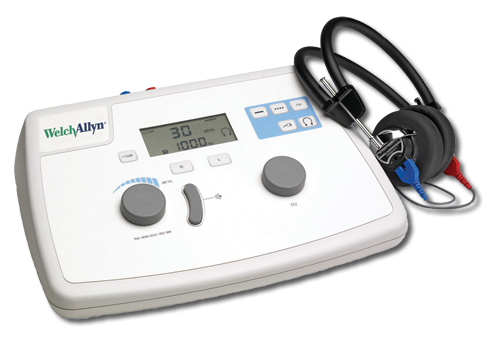
Audiology is a highly specialized field of healthcare dedicated to diagnosing, treating, and managing disorders related to hearing and balance. Aspiring audiologists undergo rigorous education and training to become licensed professionals who offer invaluable services to patients of all ages. This article aims to provide a comprehensive overview of the field, delving into the importance of collaboration within multi-disciplinary teams and the scope of audiologists’ practice.
Education and Training Requirements for Audiologists
To become an audiologist, one must first complete a bachelor’s degree before enrolling in a graduate program in audiology. Today, most audiologists hold a doctoral degree in audiology (AuD), which can take between four to five years to complete. The AuD curriculum typically includes coursework on anatomy, physiology, speech perception, aural rehabilitation, and child development, among others. Hands-on clinical experience plays a crucial role in audiologists’ education, as it helps them develop skills for diagnosing and managing various hearing and balance disorders.
Licensing and Certification
After completing their doctoral program, audiologists must obtain a license from the state in which they would like to practice. Licensing requirements often vary by location but usually include passing a national examination administered by the American Speech-Language-Hearing Association (ASHA) and the Praxis Examination by the Educational Testing Service (ETS). Additionally, audiologists are required to pursue continuing education opportunities in order to maintain their license and stay up-to-date on best practices within the field.
Scope of Audiologists’ Practice
Audiologists are responsible for evaluating, diagnosing, treating, and managing a wide range of hearing and balance disorders, ensuring that their patients receive the care and support they need. Their expertise is instrumental in rehabilitating patients of all ages – from infants to the elderly. Their skills and knowledge play a crucial role in multi-disciplinary teams; by working alongside other healthcare professionals, audiologists have the power to significantly improve the quality of life of their patients.
One of the key strengths of audiologists is their ability to educate the public about the importance of hearing conservation. They are well-versed in the risk factors for hearing loss, enabling them to create effective prevention programs and collaborate with other professionals, such as physicians and nurse practitioners. All in all, audiologists have a far-reaching impact on the lives and health of countless individuals, ensuring the best possible outcomes for patients dealing with hearing and balance disorders.
Hearing loss prevention is a critical aspect of audiology, with audiologists playing a vital role in educating the public about the importance of hearing conservation. This includes emphasizing the significance of avoiding loud noise, being aware of medications that may cause hearing loss, and understanding genetic predispositions to hearing loss.
Audiologists work diligently to identify and communicate the various risk factors associated with hearing loss. One of the most common risk factors is exposure to loud noise, which can lead to permanent damage to the delicate structures within the ear. This is particularly important in industries that expose workers to dangerously high decibel levels. Another contributing factor is the use of certain medications, known as ototoxic drugs, which can damage the auditory system. Genetic predispositions also play a role, with some individuals being more susceptible to hearing loss based on hereditary factors.
To create effective prevention programs, audiologists collaborate with other professionals such as physicians, nurse practitioners, and public health officials. By working together, they can develop strategies tailored to different populations. For example, audiologists and public health officials can create awareness campaigns targeting people who are frequently exposed to noise pollution, while healthcare teams can advise on avoiding or managing ototoxic medications.
These comprehensive prevention programs aim to reduce the incidence of hearing loss through education, policy intervention, and support for at-risk populations. Audiologists are often at the forefront of these initiatives, providing expertise on the latest research and best practices for hearing conservation. They work to ensure that prevention strategies are inclusive and consider the diverse needs of the communities they serve.
Beyond clinical practices, audiologists are also advocates for hearing health. They work to raise awareness about the importance of protecting one’s hearing, especially in environments where noise exposure is prevalent. This advocacy role may involve speaking engagements, publishing articles, and contributing to public policy discussions.
In conclusion, audiologists are instrumental in the fight against preventable hearing loss. Their efforts in education, collaboration, and advocacy are crucial in safeguarding the hearing of individuals around the world. By shedding light on the risks and providing strategies for prevention, audiologists continue to make significant strides in maintaining and improving global hearing health.
Timely identification of hearing loss in infants, children, and adults plays a crucial role in ensuring successful intervention outcomes. Audiologists, as professionals specializing in hearing disorders, play a central role in detecting and addressing hearing loss. This process of detection and intervention begins with newborn hearing screening, followed by specialized management and treatment plans tailored to individual patient needs.
Newborn hearing screening is a crucial primary prevention measure that aids in early identification and intervention of potential hearing loss. This simple, painless test is usually performed in the maternity ward within the first few days of a baby’s life. The purpose of this test is to detect any potential hearing issues at the earliest possible stage, enabling early intervention strategies to be developed and implemented.
There are two primary types of newborn hearing screenings: otoacoustic emissions (OAE) tests and automated auditory brainstem response (AABR) tests. Both tests help in determining the hearing status of a baby, helping to provide data for proper follow-up and management plans:
Babies who fail these initial screenings go through further diagnostic evaluations to confirm or rule out hearing loss. This process may include auditory brainstem response (ABR), diagnostic OAE, and behavioral audiometry tests designed to provide a more comprehensive evaluation of the baby’s hearing capabilities, paving the way for early intervention.
Once hearing loss in children is identified, audiologists collaborate with speech-language pathologists, educators, and other professionals to create management and intervention plans focused on maximizing hearing potential and supporting overall development. These teams may incorporate:
Collaboration among various professionals helps ensure the most effective, patient-centered approach to treating childhood hearing loss. Each child’s unique circumstances dictate optimal plans for diagnostic testing, intervention, and management. By engaging in a multi-faceted approach, audiologists help deliver the best possible outcomes for children with hearing loss.
Audiologists also play a critical role in raising public awareness and advocating for improved hearing health, research, and funding. Their interaction with families, education systems, and the wider healthcare community empowers them to address hearing loss and promote accessible, equitable care for all individuals dealing with hearing difficulties.
Tinnitus, which is commonly referred to as “ringing in the ears,” is a prevalent condition that can have a significant impact on an individual’s quality of life. Though it is often associated with hearing loss, it can affect people with normal hearing as well. Tinnitus is characterized by the perception of phantom sounds, such as ringing, buzzing, whistling, or hissing, in one or both ears. These noises can vary in pitch and intensity, and for some individuals, they can be continuous or intermittent, affecting their daily activities and sleep.
Aside from tinnitus, other hearing-related disorders, like hyperacusis and misophonia, can also significantly impact a person’s life. Hyperacusis is characterized by an increased sensitivity to everyday sounds that can be perceived as loud, sharp, or uncomfortable. In contrast, misophonia refers to the extreme sensitivity to specific sounds, such as chewing, swallowing, or breathing, which can trigger negative emotional reactions like irritability, anxiety, or anger.
Audiologists play a crucial role in diagnosing and managing tinnitus and other related disorders. Various assessment tools and techniques used in evaluating these conditions include:
Once the assessment phase is complete, audiologists work closely with patients to determine the best treatment approach for their specific needs.
Possible treatment options can include:
The complexity and impact of tinnitus on an individual’s life often require a multidisciplinary approach. Audiologists can collaborate with various healthcare professionals, such as psychologists, social workers, and ENT (ear, nose, and throat) specialists, to ensure that patients receive comprehensive and effective treatment plans tailored to their specific needs. By working together, these professionals can help improve the individual’s overall quality of life and emotional well-being.
In summary, audiologists play a vital role in the assessment, diagnosis, and management of tinnitus and related disorders. Through the use of various assessment tools, treatment techniques, and multidisciplinary collaboration, audiologists help support patients as they learn to cope with these conditions and regain control over their lives.
Vestibular disorders affect an individual’s sense of balance and spatial orientation, leading to dizziness, vertigo, and disorientation. As experts in hearing and balance, audiologists play a crucial role in assessing and diagnosing these conditions. In this section, we will discuss the collaborative approach audiologists take with other professionals to develop targeted treatment and rehabilitation plans tailored to each patient’s unique needs.
Audiologists use advanced diagnostic tools and techniques to evaluate disorders affecting the vestibular system, which is part of the inner ear responsible for balance and spatial orientation. Some common diagnostic methods include:
Once a vestibular disorder has been identified, audiologists work collaboratively with physical therapists, neurologists, and other professionals to create a tailored treatment plan for each patient. Therapies may include:
To ensure that patients receive the best possible care, audiologists work closely with other healthcare professionals, constantly sharing knowledge and expertise. This multidisciplinary approach allows for comprehensive, patient-centered care that addresses the full scope of each patient’s needs. By working as a team, audiologists, physical therapists, and other professionals can more effectively treat and manage vestibular disorders, improving the quality of life for their patients.
As a vital part of their practice, audiologists are responsible for designing, fitting, and maintaining hearing aids and assistive technologies to enhance their patients’ quality of life. The continuous advancements and innovations in hearing technology require audiologists to engage in a collaborative effort with engineers, manufacturers, and researchers to ensure optimal patient-centered outcomes. This section will delve into the various aspects of audiologists’ involvement in the development of hearing aids and assistive technologies and the importance of monitoring device performance and adjusting settings as needed.
Audiologists work closely with engineers and researchers in the design process of hearing aids and assistive technologies. This partnership helps create devices that cater to various severities of hearing loss and individual patient needs. Some of the latest hearing aid innovations include:
Ensuring proper hearing aid fitting is crucial for optimal sound amplification and patient comfort. Audiologists must thoroughly assess their patients’ hearing thresholds and individual needs before recommending a suitable hearing aid model. A comprehensive fitting process usually involves:
After fitting, audiologists must monitor device performance and patient feedback to ensure ongoing satisfaction with the hearing aid and recommend any necessary adjustments. Some common concerns audiologists address include:
Aside from providing direct care to patients, audiologists are also responsible for promoting awareness and advocating for accessible and effective hearing care for all. These professionals play a significant role in public health and enhancing the quality of life for individuals with hearing loss and related disorders.
Audiologists share their knowledge with patients and their families, empowering them with the understanding necessary to make informed decisions and actively engage in their loved one’s hearing care. By providing this education, audiologists ensure that patients are not only knowledgeable but also comfortable and confident in their treatment plans.
Audiologists contribute to the pursuit of innovative hearing care treatments and technologies by recommending further research and development in their field. By promoting evidence-based practices and advocating for increased funding, these professionals can contribute to groundbreaking advancements in hearing care for patients around the world.
The World Health Organization (WHO) and the American Speech-Language-Hearing Association (ASHA) have been instrumental partners in promoting awareness and progress in hearing care. Audiologists, as key stakeholders in this field, can collaborate with such organizations to further advancements in hearing care treatments and technologies.
Audiologists play a critical role in advocating for improvements in accessibility for individuals with hearing loss. By promoting affordable and effective hearing aids, assistive technologies, and communication access strategies, these professionals can ensure that everyone experiences the benefits of a world designed for better hearing.
“Audiologists are uniquely positioned to help improve the overall health of their communities.” (ASHA, 2019) By working directly with patients, educators, and other healthcare professionals, audiologists can promote an understanding of the importance of hearing health and encourage active participation in preventative care and timely intervention.
Audiologists possess a wealth of knowledge in the field of hearing care, and their critical role extends beyond direct patient care. As educators and advocates, these professionals shape the future of hearing care by promoting awareness, funding for research, and improved accessibility for everyone.
Category: Audiology
© 2026 www.audresources.org. All rights reserved.