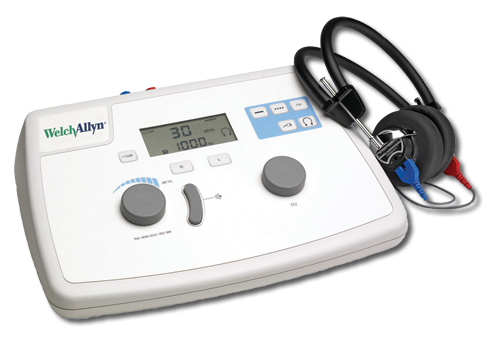
Audiology is the study of hearing, balance, and related disorders, encompassing various aspects of auditory function, including the evaluation of hearing and vestibular systems. It is a field that focuses on preventing, diagnosing, and treating hearing and balance disorders in both children and adults. Audiologists play a crucial role in the assessment, treatment, and management of hearing and balance issues, and their work significantly impacts the quality of life for those experiencing difficulties in these areas.
An audiologist is a licensed healthcare professional trained to diagnose, treat, and manage hearing and balance issues. They perform comprehensive evaluations, develop personalized treatment plans, and provide counseling and rehabilitation services tailored to each patient’s unique needs. In addition, audiologists are responsible for fitting and dispensing hearing aids and other assistive devices, such as cochlear implants, helping patients integrate these technologies into their daily lives.
It is essential to choose the right audiologist for personalized and effective care, as this can significantly impact the success of treatment and management. A skilled and experienced audiologist will possess a strong educational background and clinical knowledge, along with the ability to tailor treatment plans to meet individual needs. They should also demonstrate excellent communication and counseling skills to foster a strong patient-audiologist relationship.
When selecting an audiologist, keep in mind the importance of credentials, such as licenses, certifications, and professional affiliations. Additionally, consider factors such as their experience in treating specific conditions or age groups, as well as their commitment to ongoing professional development and the use of state-of-the-art technology. Word-of-mouth recommendations, online reviews, and testimonials can also provide valuable insights into an audiologist’s abilities and reputation within the community.
Overall, a good audiologist can serve as an essential ally in managing the challenges of hearing and balance issues effectively. By taking the time to research and choose a highly-skilled and experienced professional, patients can receive personalized care designed to improve their overall quality of life.
Recognizing the common signs and symptoms of hearing and balance issues is crucial for determining when it’s time to consult with an audiologist. These issues can range from mild to severe, significantly impacting a person’s quality of life. Early intervention and management of these problems can help prevent further decline and improve overall wellness.
Some common signs and symptoms to watch out for include:
Seeking professional help for hearing and balance issues can lead to better health outcomes, including slowing down the progression of hearing loss and preventing falls that may result in serious injury. By addressing these issues early on, individuals can maintain independence and participate in social activities.
Audiologists provide expert care in the assessment, diagnosis, management, and prevention of hearing and balance issues. They offer personalized treatment plans that may include hearing aids, assistive listening devices, balance therapies, and exercises. Audiologists also serve as educators, teaching individuals about their hearing or balance issues and how to take better care of their auditory and vestibular systems.
Audiologists play a vital role in the healthcare system, helping individuals with hearing and balance issues navigate often complex medical landscapes. By working closely with other healthcare professionals, audiologists ensure that patients receive holistic care tailored to their specific needs. Audiologists are also advocates for their clients, helping them gain access to services, resources, and support.
In conclusion, recognizing the signs and symptoms of hearing and balance problems, seeking timely intervention, and exploring the various roles audiologists serve within the healthcare system can help individuals successfully manage and improve their quality of life.
One of the most critical aspects of finding a skilled and experienced audiologist is conducting thorough research. It is essential to be well-informed to make the best decisions possible when it comes to your hearing and balance needs. This article provides you with comprehensive information on the various ways to conduct research on the credentials, qualifications, and expertise of audiology professionals.
Several sources and methods can help you identify qualified audiologists in your area. These include:
Personal referrals and recommendations from trusted sources are essential in finding a well-qualified audiologist. Hearing from someone with first-hand experience with an audiologist can help provide insight into their expertise, care, and overall satisfaction with the services provided. Make sure to ask those who refer an audiologist about their personal experiences and the specific issues they faced.
Online reviews and testimonials can also serve as valuable indicators of an audiologist’s performance. Websites such as Yelp, Google My Business, and Facebook are popular platforms where you can find patient reviews on nearby audiologists. Keep in mind that individual experiences may vary, and it’s essential to look for consistent patterns in the feedback.
When researching audiologists, their certifications and credentials must be thoroughly vetted. Some critical credentials to look for include:
Ensure that your chosen audiologist is adequately licensed and accredited to practice in your state or region. Visit the local or state licensing board website to verify an audiologist’s credentials and confirm that they have no past disciplinary actions or malpractice claims.
By employing these comprehensive research methods, you can increase your chances of finding a skilled and experienced audiologist to help diagnose, treat, and manage your hearing and balance issues. Always remember to prioritize communication, convenience, and trust when selecting the most appropriate audiologist for your individual needs and expectations.
Scheduling a consultation with an audiologist is a crucial step in addressing and managing hearing and balance problems. Consultations provide an opportunity to evaluate the audiologist’s expertise, discuss your specific concerns, and determine the most appropriate course of action for your needs.
There are various types of consultations available to suit individual preferences and requirements. These include:
During the initial consultation, patients will have the chance to:
| Factor | Description |
|---|---|
| Communication style | Ensure the audiologist communicates effectively, attentively, and professionally. |
| Services offered | Determine the range of services and determine if they meet your specific needs. |
| Convenience | Consider factors such as location, hours of operation, and scheduling availability. |
Choosing the best consultation format depends on your preferences, needs, and circumstances. When deciding between virtual and in-person appointments, consider the following factors:
Ultimately, selecting a qualified and experienced audiologist ensures that patients receive personalized and effective care, leading to a higher quality of life as they manage hearing and balance issues.
When it comes to receiving high-quality hearing care, the audiology facility and services play a crucial role in ensuring a positive and successful experience. Evaluating and selecting the right audiologist involves not only their expertise and qualifications but also the environment and patient-centered services they provide. To achieve a comprehensive assessment of the audiology facility and services, consider the following factors.
Three key factors when evaluating the cleanliness, accessibility, and comfort of the hearing care facility are:
A reputable audiology facility should offer a range of services encompassing diagnostics, treatment, and aftercare. Examples of services to look for in a facility include:
Central to a good audiology facility is an emphasis on patient-centered care. Key factors to consider in this aspect include:
The relationship between the patient and their audiologist is crucial in managing hearing and balance issues. An excellent audiologist will always prioritize trust and comfort, creating a supportive atmosphere to discuss concerns and set expectations realistically. Furthermore, they will continuously look for ways to improve patient care and service quality, ensuring a lasting and positive impact on their patients’ lives.
As an audiologist, choosing the right hearing aids and assistive devices for individuals is a crucial responsibility. In the market, there are various types of hearing aids and assistive devices that cater to different user requirements, lifestyles, and personal preferences. Audiologists take on the role of guiding patients through the selection process to ensure the best possible fit, performance, and overall satisfaction.
In general, hearing aids are classified into the following types:
In addition to hearing aids, assistive devices such as amplifiers, telecoils, and FM systems help cater to individual needs for the best possible hearing experience.
When selecting the right hearing aids or assistive devices, audiologists consider several factors to ensure that the chosen device provides optimal benefits. These factors include:
Audiologists are key players in assisting individuals in selecting the appropriate hearing aids and assistive devices. They perform detailed evaluations to determine the most suitable options, measure the patients’ hearing, and guide them through the selection process. Audiologists measure the ear anatomy, fit the chosen device, and program it according to the individual’s unique hearing needs.
Ongoing support and follow-up care are vital to ensure that patients receive the maximum benefit and satisfaction from their hearing aids. Audiologists monitor the patient’s progress and make any required adjustments to improve hearing and aid performance. Additionally, audiologists educate patients on the proper care and maintenance of their devices, thus prolonging their lifespan.
In conclusion, the selection of suitable hearing aids and assistive devices is a complex process that audiologists manage with great care, taking into account individual needs, preferences, and lifestyle factors. Ongoing support and follow-up care are crucial to ensure lasting satisfaction with hearing solutions.
When choosing an audiologist, it is essential to consider factors that contribute to overall cost-effectiveness while ensuring high-quality care and accessibility to services. One crucial aspect of this decision is understanding the financial aspects of audiological care, including insurance coverage, payment options, and available financing plans.
To determine the most cost-effective audiologist, consider the following factors:
To make informed decisions about the financial aspects of audiological care, it’s important to have open discussions with your chosen audiologist. Key points to consider include:
Hearing aids can be costly, but there are several ways to minimize your expenses and maximize your access to affordable care.
Lastly, when selecting an audiologist, it’s essential to weigh the importance of cost against quality and accessibility. While affordability is a significant factor for many individuals, choosing an audiologist based solely on price can lead to compromised care. A dependable relationship with a skilled and experienced audiologist is crucial to achieving optimal hearing health and managing balance issues effectively.
Category: Audiology
© 2026 www.audresources.org. All rights reserved.