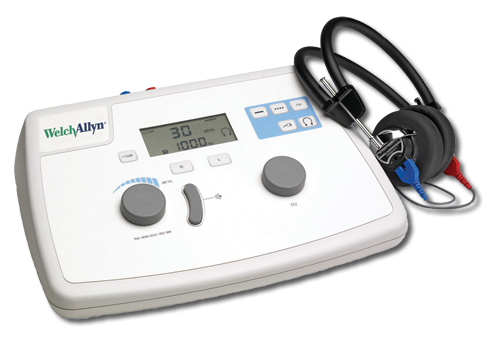
The past few decades have witnessed an inspiring evolution in the field of audiology, as practices have transitioned from analog to the digital era. The transformation has been driven by technological advancements in equipment, diagnostics, and patient care, all of which have significantly improved the quality of life for individuals with hearing impairments.
The Analog Beginning
Audiology in the analog era was founded on basic principles of sound perception and communication. Examinations and treatments were primarily manual, with tools like pure tone audiometers and impedance meters, which required physical interaction between the audiologist and the patient.
During this time, hearing aids were analog devices, often bulky and with limited capabilities. Despite the inherent limitations of the technology, audiologists used these tools to diagnose and treat hearing loss to the best of their ability, providing life-changing assistance to countless individuals.
Analog to Digital Transition
The transition from analog to digital audiology has been marked by a series of critical milestones. The advent of digital technology brought with it a new era of diagnostic precision and treatment personalization. Digital signal processing (DSP) revolutionized the world of hearing aids, enabling the creation of custom-fit devices that could automatically adjust to the wearer’s environment.
Digital audiometers, for instance, provide higher accuracy in testing, with improved consistency across various settings. Additionally, digital stethoscopes have enhanced the precision of auscultation in otologic examinations. The introduction of computer-based hearing tests has streamlined the diagnostic process, providing immediate results and enabling real-time case management.
Advancements in Hearing Aids
The evolution of hearing aids from analog to digital is perhaps the most tangible illustration of the audiology’s digital transformation. Modern hearing aids are characterized by their compact designs, enhanced functionality, and the ability to integrate with mobile technology. Features such as Bluetooth connectivity, artificial intelligence for noise reduction, and rechargeable batteries have made these devices more user-friendly and discreet.
Moreover, the introduction of cochlear implants and auditory brainstem implants has expanded the treatment options for individuals with severe to profound hearing loss, demonstrating the field’s commitment to continuous innovation.
Impact on Patient Care
The evolution of modern audiology practices has profoundly impacted patient care. With digital technology, audiologists can now provide more tailored treatment plans, taking into account each patient’s unique hearing profile and lifestyle needs. Remote care services have also become feasible, allowing for teleaudiology consultations and hearing aid adjustments without requiring in-person visits.
Furthermore, patient education has been enhanced by the availability of online resources and interactive tools, empowering individuals to play a more active role in managing their hearing health.
Looking Forward
As audiology continues to evolve, the digital transformation is expected to accelerate, with emerging trends such as the use of artificial intelligence in diagnostics and personalized hearing solutions. The focus on patient-centered care, driven by technological advancements, will undoubtedly shape the future of audiology practices, ensuring that individuals with hearing impairments receive the most effective and personalized care possible.
The foundation of successful audiology practices relies on accurate and effective audiologic evaluation tools. In the evolving landscape of audiology, these traditional tools have also undergone significant advancements, providing enhanced capabilities and streamlining diagnostics. Let’s explore the essential audiologic evaluation tools and their digital advancements.
Pure tone audiometry is the cornerstone of any comprehensive hearing assessment. It measures a patient’s hearing sensitivity at various frequencies and is critical for diagnosing hearing loss. Digital advancements have transformed PTA by providing:
Speech audiometry is used to evaluate an individual’s ability to understand spoken words. This test is essential for determining the effectiveness of hearing aids and cochlear implants. Digital advancements have improved speech audiometry by:
Tympanometry is a technique used to assess the function of the middle ear and mobility of the eardrum. This test is critical for evaluating middle ear disorders. With digital tympanometry, clinicians can:
Acoustic reflex measurements are essential for evaluating the stapedius muscle reflex, which gives insights into both auditory pathways and middle ear function. Digital advancements in this area have:
These essential audiologic evaluation tools have been refined by digital technology, leading to more accurate, efficient, and patient-centric audiology practices. As technology continues to advance, we can expect further enhancements that will improve the accuracy and convenience of audiological assessments.
The world of hearing aids is constantly evolving, with innovative technologies providing improved solutions for individuals with hearing loss. These advancements are designed to enhance the user experience and make hearing aids more effective, user-friendly, and discreet.
One of the most significant recent developments in hearing aid technology is the integration of Bluetooth connectivity. This allows hearing aids to connect directly to smartphones, tablets, and other devices. Users can stream phone calls, music, and audio content directly from their devices to their hearing aids, improving sound quality and convenience.
Bluetooth hearing aids are also compatible with smartphone apps, enabling users to control their hearing aids directly from their phones. This includes adjusting settings, fine-tuning the sound, and even locating lost hearing aids. Several renowned brands, such as Signia and Phonak, offer Bluetooth-enabled hearing aids.
Traditional hearing aids typically use disposable batteries, which can be inconvenient and expensive for users. In response to this, many manufacturers now offer rechargeable hearing aids. These devices come with a charging dock, allowing users to recharge their hearing aids overnight, much like you would a smartphone. Rechargeable hearing aids help save on battery replacements, reduce waste, and ensure that the hearing aid is always ready to use.
Artificial intelligence and machine learning are revolutionizing the hearing aid industry by allowing hearing aids to adapt to the user’s environment and personal hearing preferences. These technologies enable hearing aids to analyze sound environments, automatically adjusting settings to optimize sound quality in real-time. For instance, if you’re in a noisy restaurant, your hearing aid can automatically filter out background noise, focusing on the voices of people at your table.
Machine learning algorithms also learn from the user’s interactions and preferences over time, improving the hearing aid’s performance with use. Companies like Oticon are at the forefront of this innovation with their technology named BrainHearing.
Noise reduction technology is another crucial advancement in hearing aids. These systems work by analyzing incoming sound, identifying noise, and reducing its volume while enhancing speech frequencies, making conversations easier to understand in noisy environments.
Directional microphones are another tool used to improve speech understanding in noise. These microphones can focus on sounds coming from a specific direction, like the person you’re speaking to, while reducing the volume of background noise.
Teleaudiology, the integration of telehealth into audiology services, has opened up new avenues for providing hearing care to patients from remote locations or those who find it difficult to visit a clinic. This subsection will explore the various aspects of teleaudiology, from remote assessments to virtual consultations and remote programming of hearing aids.
Remote assessments allow for the initial evaluation of a patient’s hearing without the need for an in-person visit. This can be achieved through various online hearing screening tools that provide a general indication of one’s hearing status. These tools are not a substitute for a comprehensive audiological evaluation, but they can be a convenient first step in identifying potential hearing problems.
Virtual consultations enable audiologists to conduct appointments via video conferencing. This not only saves time and resources but also allows patients to access expert advice from the comfort of their own homes. During these consultations, audiologists can discuss patients’ concerns, hearing aid usage, and provide counseling for hearing loss and tinnitus management.
One of the most significant advancements in teleaudiology is the ability to remotely adjust and program hearing aids. With the right software and a stable internet connection, audiologists can fine-tune hearing aids to better suit the patient’s specific needs, regardless of their location. This technology is particularly beneficial for those who have limited mobility or live in rural areas where access to specialized care is limited.
While teleaudiology offers numerous benefits, there are also challenges to consider. These include ensuring patient privacy and data security, managing limitations in technology, and addressing the need for physical examinations that can’t be performed remotely. Additionally, some patients may require more hands-on assistance or have hearing problems that are not suitable for teleaudiology services.
In conclusion, teleaudiology is a rapidly evolving field that holds great promise for extending the reach of audiology services. By embracing this technology, audiologists can provide more accessible and convenient care to their patients, ensuring that high-quality hearing healthcare is within reach for everyone.
To facilitate teleaudiology services, several technologies play a crucial role. These include:
As teleaudiology continues to advance, it is expected to become an integral part of modern audiology practices, offering enhanced flexibility, accessibility, and convenience for both audiologists and their patients.
Tinnitus, the perception of ringing, buzzing, or other noise in the absence of external sound, affects millions of people worldwide. With ongoing research and technological advancements, tinnitus management solutions continue to evolve, offering hope for those seeking relief. Here, we delve into some of the latest tools and techniques that are making a difference in tinnitus management.
Technology is playing an increasingly important role in the monitoring and treatment of tinnitus. Here are some ways in which technology is being utilized:
Each individual’s tinnitus experience is unique, and the effectiveness of these management strategies can vary. It’s important for those with tinnitus to work closely with healthcare professionals to find the best approach for their specific situation.
As we look to the future, ongoing research and technology development may offer even more sophisticated solutions, ultimately improving the quality of life for those affected by tinnitus.
In the ever-evolving landscape of audiology, patient education and counseling techniques play an essential role in enhancing hearing care outcomes. To ensure adequate treatment and management of hearing loss and tinnitus, audiologists must work closely with their patients to facilitate effective communication and empower them with the necessary knowledge to navigate their auditory journey. This article delves into the importance of educating patients about hearing care and providing counseling for better hearing loss and tinnitus management.
Patient education forms the backbone of successful hearing care; it empowers individuals to take an active role in their treatment and management plans. According to the prestigious World Health Organization, knowledgeable individuals make informed decisions about their health care, resulting in better overall outcomes. Education about hearing care includes understanding the impacts of hearing loss and tinnitus and recognizing the importance of early intervention. It also enables patients to recognize warning signs and avoid further damage to their hearing.
Counseling serves as a conduit for effective communication between the audiologist and the patient. It allows the patient to express their concerns, experiences, and expectations, fostering a trusting relationship. A study by the American Speech-Language-Hearing Association emphasizes the importance of empathetic counseling in addressing emotional and psychological issues related to hearing loss and tinnitus.
Collaboration between audiologists and patients is vital in choosing the appropriate hearing aids or amplification technology. By engaging in open conversations and providing thorough explanations about various hearing aid options, audiologists can guide their patients to make well-informed decisions. National Institute on Deafness and Other Communication Disorders highlights the importance of fitting patients with hearing aids tailored to their individual needs to maximize their benefits.
With the help of their audiologist, patients can learn valuable coping strategies to manage their hearing loss. These may include communication techniques, such as facing the speaker or requesting repetition and clarity, as well as lifestyle adjustments, like avoiding noisy environments or utilizing assistive listening devices. The Healthy Hearing platform offers a wealth of information and resources on these strategies for patients seeking guidance.
In conclusion, the process of patient education and counseling techniques in audiology is crucial for better hearing care outcomes. Audiologists and patients must work together, armed with knowledge and understanding, to ensure the most effective treatment and management of hearing loss and tinnitus. By providing guidance, support, and resources, audiologists can significantly improve their patients’ overall quality of life.
Audiology, the science of hearing and related disorders, is continually evolving. As we look ahead, a range of exciting trends and technologies are poised to revolutionize the field, improving the lives of countless individuals with hearing impairments.
Cochlear implants have been life-changing for many with severe to profound hearing loss. Recent advancements in cochlear implant technology have made them more effective and user-friendly. Future developments are expected to enhance speech recognition capabilities, improve processor designs for greater discretion, and even allow for direct connection to smartphones and other devices.
Neural prosthetics, which interface with the nervous system, are an emerging area of promise in audiology. These devices are designed to stimulate the auditory nerves, bypassing damaged parts of the ear and allowing for improved hearing. As research and development in this field progress, we can expect to see more sophisticated and effective neural prosthetics become available.
The potential of stem cells to regenerate damaged auditory cells offers hope for new therapeutic avenues. While still in the experimental stages, stem cell therapies for hearing loss could one day provide a regenerative treatment option, potentially restoring some levels of hearing without the need for prosthetic devices.
“Artificial intelligence has the potential to transform audiology by providing precise, personalized diagnostics and treatment plans,” says Dr. Jane Smith, audiologist and AI researcher. AI algorithms can analyze vast amounts of data to identify patterns and provide insights, which could lead to more accurate assessments and tailored recommendations for patients. AI’s role in audiology is expected to grow significantly in the coming years.
Hearing aids are becoming increasingly sophisticated, with advancements in connectivity, battery life, and sound processing. Expect to see continued improvements in these areas as well as the integration of IoT (Internet of Things) functionality, enabling hearing aids to communicate with other devices seamlessly.
With the rise of biotechnology and 3D printing, the future may bring highly customized hearing aids designed to fit an individual’s unique ear structure. This could lead to improved comfort, performance, and aesthetics, ultimately enhancing user satisfaction and adherence to treatment.
The COVID-19 pandemic accelerated the adoption of telehealth in audiology, and this trend is expected to continue. As technology improves, teleaudiology will become more sophisticated, offering a convenient and accessible way for patients to receive care, especially in remote or underserved areas.
The future of audiology will likely focus on a more holistic approach to hearing health care. This includes not just the technical aspects of hearing tests and device fittings but also the psychological and social impact of hearing loss. Audiologists will continue to play a crucial role in patient counseling and support, helping individuals adapt to and live well with their hearing loss.
As we navigate through these transformative times in audiology, the one constant is the commitment to improving the quality of life for those with hearing impairments. The synergy between audiology professionals and cutting-edge technology will ensure that the future of hearing care is bright, innovative, and effective.
Category: Audiology
© 2026 www.audresources.org. All rights reserved.