Audiology is a rapidly growing field that plays a crucial role in diagnosing, treating, and preventing hearing and balance disorders. Despite its importance, audiologists face a multitude of challenges in various aspects of their profession. Recognizing these challenges and understanding their implications is essential for effective management.
One of the most pressing issues that audiologists encounter is the increasing prevalence of hearing loss across the population, particularly amongst the aging demographic. As the elderly population grows, the demand for audiology services is expected to rise significantly. This growth presents a unique challenge because it not only puts additional pressure on audiologists, but it also highlights the need for more public awareness about hearing health.
Moreover, the number of younger individuals experiencing noise-induced hearing loss is on the rise. With the widespread use of personal audio devices and exposure to amplified music through concerts and events, a growing number of younger people are suffering from hearing problems. This trend necessitates a shift in focus for audiologists – from treating predominantly older patients to addressing the hearing needs of people across a wider age spectrum.
Audiologists also face challenges when it comes to running their practices or working within larger healthcare organizations. Balancing the patient care aspect with the business demands can be difficult, and it often results in a blurring of boundaries between clinical work and administrative tasks. This, in turn, can affect the overall quality of patient care provided by audiologists.
In light of these challenges, it is essential for audiologists to identify strategies that allow them to manage their time and resources effectively, while continuing to provide high-quality patient care.
Advancements in technology have significantly transformed the field of audiology, touching all aspects of diagnostics, treatments, and patient care. Audiologists who embrace and utilize these technological innovations can enhance their diagnostic capabilities and offer more accurate and efficient services to their patients. However, this steady stream of change brings inherent challenges for audiologists, who must continuously adapt and stay updated on the ever-evolving landscape.
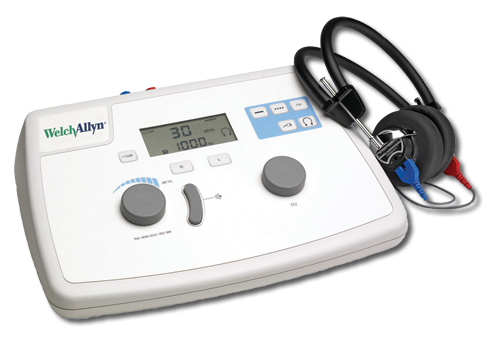
Diagnostic Tools: One major area where technology has made a substantial impact is in the tools used to diagnose hearing and balance disorders. Modern diagnostic equipment, including advanced hearing tests and vestibular assessments, has greatly improved both the precision and speed of diagnoses. For instance, the advent of digitized otoscopy allows for clearer and more detailed assessments of the ear canal and eardrum. Moreover, sophisticated imaging technologies like magnetic resonance imaging (MRI) and computed tomography (CT) scans enable audiologists to visualize and diagnose internal auditory structures more effectively.
Hearing Aids: Another notable impact of technology is the vast improvement in hearing aids. Over the years, hearing aids have become smaller, more powerful, and more sophisticated. Now, they often include features such as Bluetooth connectivity, noise reduction capabilities, and the ability to stream audio directly from smartphones or televisions. These advances offer better sound quality and increased convenience for patients, making hearing aids more appealing and effective.
While the integration of new technologies is beneficial, it also presents a learning curve for audiologists. Keeping up with the latest advancements requires a significant investment of time and resources in ongoing education and training. This can be challenging, especially for busy professionals in the midst of managing patient care and business demands.
Audiologists must be proactive in seeking out formal training opportunities, such as workshops or conferences, where they can learn about and gain hands-on experience with new technologies. Online tutorials, webinars, and manufacturer-provided resources also offer valuable tools for staying current and proficient with new diagnostic tools and hearing devices.
The introduction of new technologies sometimes creates new challenges in patient care. Patients may have high expectations based on advertised capabilities, which might not always align with the actual outcomes. Furthermore, some patients may struggle to understand or use high-tech devices, leading to barriers in communication or dissatisfaction with their treatment. It’s crucial for audiologists to manage these expectations by educating patients about the benefits and limitations of the technology and providing thorough instructions and follow-up support.
In conclusion, while technology presents both opportunities and challenges for the audiology profession, it is an essential component of providing high-quality, effective care. By proactively engaging with new technologies and transparently communicating with patients, audiologists can ensure that they are making the most of these advancements for the benefit of their patients’ hearing health.
One of the most significant professional challenges audiologists face is dealing with insurance coverage and coding regulations. The complex nature of these policies and requirements can often be overwhelming. Ensuring patients receive the best possible care while navigating the intricacies of insurance coverage is a delicate balance for audiologists.
In many cases, audiology services and hearing aids may not be fully covered or even included in a patient’s insurance plan. This lack of coverage can put a considerable financial burden on patients, potentially deterring them from seeking necessary care. As a result, audiologists must work diligently to advocate for expanded coverage while being familiar with the insurance policies that impact their patients.
In addition to understanding coverage limitations, audiologists must also navigate the complexities of proper coding and billing. Each insurance provider may have different criteria for covered treatments and devices, necessitating additional administrative work for audiologists. Patient treatment can be compromised if the correct codes are not used, leading to possible denials or delays in reimbursement.
In conclusion, navigating the complex and ever-changing landscape of insurance and coding regulations is a significant challenge facing audiologists today. By staying informed about insurance coverage limitations, understanding the nuances of proper billing and coding, and developing strong relationships with insurance providers, audiologists can provide the best possible patient care while ensuring financial stability for their practices.
Having a supportive professional network is essential for audiologists, as it allows them to share knowledge, resources, and support, especially when faced with challenges in the field. Strong professional relationships can be built with colleagues from related fields, such as speech-language pathology or otolaryngology, as well as fellow audiologists working in different organizations. Below are some ways to expand your network:
One of the greatest opportunities to build a professional network is through attending conferences and events relevant to the field of audiology. These gatherings provide a platform for connecting with other professionals, attending workshops, participating in discussions, and learning about the latest advancements in audiology.
Joining online communities and social media groups focused on audiology allows professionals to network and collaborate virtually. These platforms can be an excellent resource to pose questions, discuss common challenges, and share valuable knowledge that can help professional growth.
Membership in professional organizations such as the American Academy of Audiology (AAA) or the American Speech-Language-Hearing Association (ASHA) can provide access to networking opportunities, including mentoring programs, webinars, and workshops.
Seek out mentorship opportunities within professional organizations or educational institutions to connect with experienced audiologists who can guide and support your growth in the field.
Engaging in continued professional development and education is not only valuable for staying up-to-date in the latest audiology advancements but also for networking with professionals within the field. Attend or present at seminars, take courses, or engage in research opportunities to expand your network.
By actively investing time and effort into building a supportive professional network, audiologists can face challenges more effectively, share resources and experiences, and ultimately work more collaboratively to provide better patient care.
Staying current with the latest research, techniques, and technologies is crucial for audiologists looking to provide the highest-quality patient care. One way to accomplish this is through ongoing education and professional development opportunities. By participating in continuing education courses, attending conferences, or engaging in research projects, audiologists can expand their knowledge base and skill set.
| Continuing Education Type | Description | Advantages |
|---|---|---|
| Seminars and Webinars | Focused sessions on specific topics, either in-person or online | Flexible format, targeted learning |
| Conferences and Workshops | In-person events featuring lectures, hands-on learning, and networking opportunities | High-quality learning content, networking with peers |
| Online Courses | Interactive, self-paced courses accessible via the internet | Convenience, flexibility, diverse subject matter |
| Research Projects | Collaborative efforts to advance the field, often involving academic institutions | Direct contribution to the field, access to cutting-edge research |
| Mentorship Programs | Training and guidance provided by experienced mentors | Personalized learning, professional connections |
By participating in continuing education opportunities and fostering personal and professional growth, audiologists can ensure they remain at the forefront of their field, ultimately benefiting their patients and the broader audiology community.
As a critical branch of healthcare, audiologists play an essential role in advocating for the development and enforcement of standards in their field. This ensures that patients receive the best possible care and that the profession maintains its integrity. In order to effectively advocate for audiology laws and regulations, audiologists should seek opportunities to collaborate with other professionals and organizations, both locally and nationally, on matters concerning the practice of audiology.
Many advocacy organizations exist with the specific goal of supporting professionals within healthcare fields, including audiology. Some examples of such organizations include the American Speech-Language-Hearing Association (ASHA) and the American Academy of Audiology (AAA). By becoming involved with these groups, audiologists can stay informed about legislative issues and join collective advocacy efforts.
One effective method of advocating for audiologic legislation and regulation is directly lobbying lawmakers. This may involve reaching out to representatives and senators, attending public hearings, and meeting with policymakers. The goal of these efforts is to provide a clear, balanced perspective on the need for audiology-related policies that protect the best interests of patients and the profession.
Another important avenue for advocacy is serving on professional committees and boards within the field of audiology. Participation in these organizations allows audiologists to contribute their expertise to policy discussions and to collaborate with others working for the advancement of the profession. Examples of committees and boards include the American Board of Audiology and state-level audiology and speech-language pathology boards.
In order to ensure the continued advancement of audiologic legislation and regulation, audiologists must stay informed about current issues and legislative proposals. This may involve:
Examples of audiology-related legislation and regulations that audiologists may advocate for include:
| Legislation/Regulation | Description |
|---|---|
| Medicare Coverage of Audiology Services | Ensuring that Medicare provides adequate reimbursement for audiology services, including diagnosis, treatment, and rehabilitation of hearing and balance disorders |
| Accessibility of Hearing Devices | Advocating for more affordable hearing aids and other assistive listening devices, and the expansion of coverage by insurance providers |
| Regulation of the Audiology Profession | Supporting licensure and continuing education requirements for audiologists, as well as protecting the public from unqualified or fraudulent practitioners |
In conclusion, active advocacy for audiologic legislation and regulation is essential for ensuring that patients receive the best possible care, and that the profession of audiology remains at the forefront of healthcare. Audiologists can contribute to these efforts by working with advocacy organizations, lobbying lawmakers, serving on professional committees, and staying informed about current issues and legislation related to the field.
A positive work environment is crucial for the overall satisfaction and performance of audiologists. This extends to all aspects of their practice, from professional growth and patient care to daily operations and communication with colleagues. In this article, we provide some insights into fostering a positive work environment and the benefits it can bring to an audiology practice.
Teamwork is essential for the smooth operation of any healthcare setting and is no less important in audiology. Collaboration between audiologists and other professionals, such as support staff, technicians, and other healthcare professionals, can lead to a better understanding and more effective implementation of diagnostic and treatment options.
Quote: “The way a team plays as a whole determines its success. You may have the greatest bunch of individual stars in the world, but if they don’t play together, the club won’t be worth a dime.” – Babe Ruth
Open communication is the foundation for a positive work environment. Encouraging team members to express their thoughts, concerns, and ideas can lead to better problem-solving and a more productive work setting. Regularly scheduled team meetings can help establish an environment where open communication is encouraged and valued.
Creating a work environment where everyone feels valued and respected is essential for fostering a sense of belonging. Recognition of a job well done, celebrating personal and professional milestones, and promoting work-life balance can all help to create this atmosphere.
A positive work environment can have significant benefits for an audiology practice. These benefits may include improved patient satisfaction, better team morale, and increased productivity.
In conclusion, fostering a positive work environment and encouraging teamwork in your audiology practice can lead to a more productive, efficient, and enjoyable work setting. By promoting open communication, valuing each team member’s contributions, and maintaining a sense of belonging, your practice can benefit from improved job satisfaction, better patient outcomes, and a more cohesive team. Take the steps to create a positive work environment in your practice today and watch the rewards follow.
Category: Audiology
© 2026 www.audresources.org. All rights reserved.