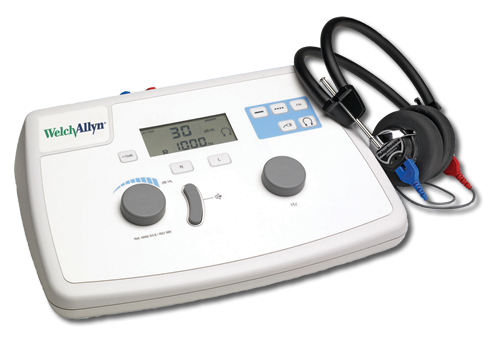
Hearing preservation is the cornerstone of any effective public health approach. It begins with recognizing the profound impact that hearing loss can have on an individual’s life. The loss of hearing is not just a minor inconvenience; it can significantly impair one’s quality of life, affecting work performance, social interactions, and mental wellbeing.
The early identification of hearing loss is crucial as it allows for timely interventions that can prevent further deterioration and mitigate potential consequences. One of the most significant challenges that people with hearing loss face is difficulty in communication. This can lead to social isolation, which in turn can have serious implications for one’s mental health.
Education plays a vital role in hearing preservation. It is essential to raise awareness about the risks associated with excessive noise exposure, which can lead to temporary or permanent hearing loss. Age-related hearing loss is another common cause of hearing impairment, and understanding its nature and progression can help individuals and healthcare providers take proactive measures to manage or prevent it.
Public health authorities play an instrumental role in safeguarding the hearing health of communities. They do this by implementing policies and programs that support hearing preservation. They also provide resources and support for healthcare professionals who manage hearing loss and for networks designed to provide assistance to individuals who are affected by it.
In conclusion, hearing preservation is a critical aspect of public health. It involves understanding the importance of maintaining hearing health, early detection, preventive measures, intervention programs, advocacy, awareness campaigns, and the sustainability of hearing preservation efforts. By focusing on these areas, we can ensure that the issue of hearing loss receives the attention and resources it deserves, thereby enhancing the overall quality of life for those affected by hearing impairments.
Hearing loss is a significant public health issue that affects people of all ages, backgrounds, and lifestyles. It refers to a partial or complete inability to hear sounds in one or both ears. This impairment can profoundly impact an individual’s life, including their ability to communicate and interact with others.
Hearing impairments can be classified into three main categories: conductive, sensorineural, and mixed. Each type is characterized by its unique causes and symptoms, which can help identify the most appropriate treatment path.
Conductive hearing loss is a type of hearing impairment that results when sound is not effectively conducted through the outer ear canal to the eardrum and the tiny bones (ossicles) of the middle ear. This condition can be caused by a wide range of factors, including ear infection, presence of excessive earwax, a perforated eardrum, fluid in the middle ear, or a congenital abnormality. In many cases, this type of hearing loss can be treated medically or surgically.
Sensorineural hearing loss, on the other hand, happens when there is damage to the delicate hair cells in the inner ear or the auditory nerve. This type of hearing loss is often permanent and may result from exposure to loud noises, certain medications, aging, or diseases that affect the auditory system. It can lead to difficulty in understanding speech, especially in noisy environments, and may require the use of hearing aids or cochlear implants for effective management.
Mixed hearing loss is a combination of conductive and sensorineural hearing loss. This means there is damage in both the outer or middle ear and the inner ear or auditory nerve. Treatment for mixed hearing loss typically involves addressing both components, which may involve medical or surgical intervention for the conductive component and hearing aids or cochlear implants for the sensorineural component.
Hearing loss can vary in severity, which is often measured in terms of the quietest sounds a person can hear. The degrees of hearing loss are generally categorized as mild, moderate, severe, and profound:
Understanding the varying degrees and types of hearing loss is crucial for implementing effective public health strategies and providing appropriate support and care to those affected by this condition.
Public health authorities play a crucial role in protecting and preserving hearing capabilities. Their involvement extends to multiple aspects of hearing preservation, including policy-making, awareness-raising, early detection promotion, and access facilitation to hearing care services. Healthcare professionals’ training and support networks for hearing loss-affected individuals are also significant in this context.
Policies and regulations aimed at preventing hearing loss are indispensable. Public health authorities must formulate and implement policies concerning permissible noise levels in workplaces, schools, and recreational environments, as well as legislations on hearing protection. These policies must be complemented by awareness-raising campaigns, which inform the public about the risks of hearing loss and the importance of hearing preservation.
Early detection of hearing loss is critical for timely intervention. Public health authorities should promote and facilitate regular hearing tests and newborn hearing screenings. They are also responsible for ensuring that hearing care services are accessible to everyone, irrespective of their socio-economic status.
Training healthcare professionals in managing and treating hearing loss is another important aspect of the public health approach to hearing preservation. This includes equipping them with the necessary knowledge and skills to effectively diagnose, treat, and manage hearing loss.
Support networks for individuals with hearing loss are essential to enhancing their quality of life. These networks can provide individuals with the necessary resources, support, and information about cochlear implants, auditory rehabilitation, and other treatment options.
Public health authorities have a critical role in promoting interventions and measures that prevent noise-induced hearing loss. This involves implementing policies and regulations that limit exposure to excessive noise levels, educating the public about safe listening practices, and advocating for the use of protective devices like earplugs.
Advocacy is pivotal in raising awareness about hearing loss and the importance of hearing preservation. Public health authorities should forge partnerships with community organizations, private sectors, and influential figures to disseminate information about hearing preservation. Such collaborations can help in designing and implementing effective advocacy and awareness campaigns.
In conclusion, the role of public health in hearing preservation is multifaceted. It goes beyond formulating and implementing policies to include training healthcare professionals, promoting early detection, improving access to services, supporting affected individuals, advocating for prevention, and partnering with various stakeholders. All these efforts contribute to preserving hearing capabilities and improving the quality of life for millions of people worldwide.
In the quest to reduce the occurrence of hearing loss, a myriad of preventive measures have been implemented across different settings. These strategies encompass a wide range of interventions, from legislation to technological advancements. Here, we explore the key prevention strategies that are currently being employed to safeguard our hearing.
One of the most effective strategies in preventing noise-induced hearing loss is the establishment of strict legislation on acceptable noise levels in various environments. This includes stringent workplace standards that limit the amount of noise exposure that employees are subjected to. A table of recommended noise level limits can be found below, as well as international standards for various environments:
| Environment | Recommended Noise Level | International Standard |
|---|---|---|
| Workplaces | 85 dB(A) for 8 hours | OSHA Standard |
| Public spaces | 70-75 dB(A) | ICP-18, WHO Guidelines |
| Recreational venues | 80-85 dB(A) | ICP-18, WHO Guidelines |
These regulations have been instrumental in mitigating noise-induced damage to hearing, particularly in industrial settings where workers were routinely exposed to hazardous noise levels.
Employers play a key role in the preservation of their employees’ hearing through adherence to safe work practices and the provision of safety equipment. This includes:
Ongoing training and awareness campaigns are crucial to ensure that these measures are implemented effectively and that workers understand the importance of using PPE.
The use of personal audio devices, particularly among the younger population, has led to an increase in noise-induced hearing loss. Education on the safe use of these devices, including limiting the volume and duration of exposure, is essential. Guidelines suggest adhering to the ’60-60 rule’ – listening at no more than 60% of the maximum volume for no more than 60 minutes per day.
Earplugs and earmuffs are simple yet effective tools in preventing noise-induced hearing loss. These devices can be customized for individual use and are particularly useful in noisy environments. The use of these devices is not only limited to industrial settings but also extends to recreational activities such as concerts or sports events.
The advent of digital technologies has revolutionized preventive care, providing remote access to hearing preservation services. Telemedicine platforms allow for remote hearing assessments and consultations, making it easier for individuals, particularly those living in remote areas, to access timely care. Digital health applications can also provide education, monitor hearing health, and track noise exposure levels.
In conclusion, a multipronged approach to prevention from legislation to individual behavior is essential to curbing the tide of hearing loss across populations. Committing to the safeguard of our hearing can only be achieved through a collaborative effort among individuals, employers, healthcare providers, and government bodies.
Identifying hearing loss in its early stages is crucial for implementing timely interventions. This is especially important for vulnerable populations such as infants, aging adults, and individuals exposed to loud noises in their work environment.
Early detection of hearing loss begins at birth. Newborn hearing screenings are routine tests performed in hospitals shortly after delivery. These screenings are vital because they can identify potential hearing issues early, allowing parents to seek treatment and support services as soon as possible, which is crucial for the child’s development.
For older children and adults, regular hearing tests are recommended as part of routine health checks. These tests can detect hearing loss early, often before an individual notices a significant change in their hearing ability. Regular tests are particularly important for those at higher risk, including people who work in noisy environments or those with a family history of hearing loss.
Certain groups are more susceptible to hearing loss and require special attention in terms of early detection and intervention:
Once hearing loss is detected, various intervention programs can help manage or reverse the condition:
The psychological impact of hearing loss should not be underestimated. Individuals with hearing loss may experience depression, anxiety, social isolation, and reduced quality of life. Access to psychological support services is therefore a critical component of comprehensive intervention programs. These services can help individuals cope with the emotional challenges of living with hearing loss and navigate the process of adapting to new assistive technologies.
Raising awareness about hearing preservation is a crucial component in ensuring the wellbeing of individuals and communities. Advocacy and awareness campaigns play a pivotal role in enlightening the public, policymakers, and healthcare professionals about the importance of hearing preservation and the associated challenges. These campaigns can help in fostering a supportive environment that promotes hearing health and encourages early detection and intervention.
Highlighting the benefits of investments in hearing preservation can be a compelling advocacy tool. Proving the cost-effectiveness and long-term economic impacts of such initiatives can help sway governments to prioritize and fund hearing preservation programs.
The World Health Organization (WHO) has reported that global costs of unaddressed hearing loss have reached $750 billion annually, demonstrating the economic value of hearing preservation efforts.[1](#fn1)
Advocacy efforts should focus on providing access to hearing care for all sections of the population, irrespective of their socio-economic status. By working towards reducing the barriers to hearing care services, we can promote a culture of hearing preservation that benefits everyone.
The implementation of these advocacy strategies, in conjunction with public health measures, can contribute significantly to reducing the global burden of hearing loss and improving the quality of life for millions of individuals.
In order to ensure the effectiveness and sustainability of hearing preservation programs, it is crucial to regularly assess their progress and impact. This involves employing various metrics and criteria for evaluating the outcomes of these initiatives. Additionally, the continuous engagement of communities in hearing health preservation is vital for the long-term success of these efforts.
The evaluation of hearing preservation efforts can be achieved through the utilization of different indicators and parameters, including:
For instance, a recent study published by the Centers for Disease Control and Prevention (CDC) revealed a decrease in occupational noise-induced hearing loss among adult workers from 2007 to 2014. This finding indicates the effectiveness of workplace safety policies in reducing noise exposure and increasing the use of protective devices, such as earplugs.
To maintain sustainable hearing preservation efforts, it is important to address ongoing challenges such as limited resources, care accessibility, and an aging population.
“Community engagement is crucial for ensuring the long-term success of hearing health preservation efforts,” says Dr. Tom Mortenson, a leading audiologist at the American Speech-Language-Hearing Association (ASHA). “It is essential to build trust and foster open communication between stakeholders, including healthcare providers, policymakers, and affected individuals, to facilitate collaborative solutions.”
In order to ensure the ongoing success of hearing preservation programs, it is vital to actively engage communities through:
By employing thorough evaluation, addressing current and future challenges, and fostering a thriving community engagement, hearing preservation efforts can be sustained and continually improved, ultimately contributing to better hearing health outcomes for all.
Category: Audiology
© 2026 www.audresources.org. All rights reserved.