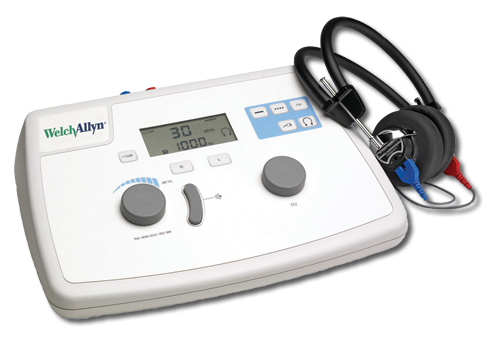
Noise-Induced Hearing Loss (NIHL) is a preventable form of hearing loss that can occur when an individual is exposed to excessive loud noises. This hearing loss can emerge either unexpectedly, as in the case of a sudden explosion, or develop gradually over an extended period after continuous exposure to noise. Both children and adults can experience NIHL; however, adults are more prone to this hearing loss due to their prolonged exposure to noise.
Understanding NIHL and its impact on individuals across different age groups is crucial to preventing and managing hearing loss caused by noise exposure.
Noise-induced hearing loss (NIHL) is a preventable form of hearing loss caused by exposure to loud noises. This exposure can be sudden, as in the case of an explosion, or develop gradually over time from repetitive noise exposure. NIHL can affect children and adults, but it is more common in adults due to their longer exposure to noise.
When exposed to loud noises, our ears take a hit. These noises damage the delicate hair cells located in the inner ear, which play a crucial role in transmitting sound signals to the brain. Once these hair cells are damaged, they can’t grow back, resulting in permanent hearing loss. As a result, NIHL can affect one or both ears and may vary in degree from mild to profound deafness.
The inner ear consists of a complex network of nerve cells, each with hair-like projections known as stereocilia. These tiny hairs pick up sound vibrations and convert them into electrical signals. The brain relies on these signals to interpret sound, enabling us to hear.
The hair cells present in the cochlea, the snail-shaped part of the inner ear, are susceptible to damage. When exposed to excessive noise, the strong vibrations can cause the stereocilia to bend, break or become dislodged. This damage impacts the hair cell’s ability to effectively transmit sound signals to the brain.
The consequences of NIHL include difficulty hearing speech or the need to turn up the volume on devices, such as the television or mobile phone. Tinnitus, commonly known as ringing or buzzing in the ears, may also accompany hearing loss. Individuals with NIHL often struggle to communicate in noisy environments, making it difficult to engage in conversations, especially in large groups or locations with background noise.
It is crucial to recognize the importance of prevention and early intervention for preserving our hearing. By adopting preventive measures, such as using hearing protection in noisy environments and limiting exposure to loud noises, we can significantly reduce our risk of developing NIHL. If we suspect hearing loss, early diagnosis and intervention can help manage the condition and prevent further damage to the ears.
By understanding the role of noise exposure in hearing loss, we can take the necessary steps to protect our hearing and enjoy a lifetime of clear, unimpaired communication. Hearing health is essential to our overall well-being, and preserving our hearing should be a priority for us all.
Noise-induced hearing loss (NIHL) is a significant problem affecting millions of people worldwide, and it’s essential to recognize the risk factors associated with this preventable condition. Understanding these risk factors can help individuals take necessary precautions to protect their hearing and prevent permanent damage. Some of the main risk factors for NIHL include:
Working in, or being frequently exposed to, high-noise environments can significantly increase the risk of developing NIHL. These environments may include:
One way to gauge whether an environment is too loud is by using the “20-second rule”: if you need to raise your voice or shout to be heard by someone standing just a few feet away, there’s a good chance the noise levels in the environment are high enough to cause hearing damage.
Engaging in recreational activities that produce high noise levels can also increase your risk of NIHL. Such activities may include:
Individuals with a family history of hearing loss are more susceptible to NIHL. Additionally, individuals who have pre-existing ear disorders or have suffered from ear infections may be at higher risk for developing noise-induced hearing loss.
To minimize the risk of NIHL, it is crucial to take precautionary measures such as:
Noise-induced hearing loss (NIHL) is a preventable condition that can have a significant impact on a person’s quality of life. The good news is that there are several strategies and lifestyle adjustments that can help protect your hearing and avoid the development of NIHL. We will discuss some of the most effective ways to reduce your exposure to loud noises and preserve your hearing.
One of the most essential strategies for preventing NIHL is wearing appropriate hearing protection when exposed to loud noises. Different devices are available to provide this protection.
Earplugs are disposable devices designed to be inserted into the ear canal to block out noise. They come in various shapes and materials, such as foam, silicone, or wax, and can be custom-fit by an audiologist or purchased over the counter. Their effectiveness depends on the material and design of the earplugs, as well as proper insertion and fit.
Earmuffs are worn over the ears and provide a noise reduction through their cushioned ear cups. They are generally more substantial than earplugs and can provide better protection when used correctly. Some models also allow for adjustable headbands to achieve a more accurate fit.
The use of personal audio devices like smartphones, music players, and headphones has skyrocketed in recent years, significantly increasing the risk of developing NIHL. To minimize the potential for damage while using such devices, consider the following recommendations:
When possible, try to keep a safe distance from potential noise sources, such as construction sites, concerts, or noisy machinery. This distance can range from a few meters in the case of concerts to hundreds of meters for things like fireworks or gunfire. By putting some distance between yourself and the noise source, you can significantly reduce the intensity and potential for damage.
Monitoring your hearing health is crucial in identifying any early signs of damage. Regular hearing tests can help you detect any changes in your hearing that might indicate the onset of NIHL. These tests, typically conducted by an audiologist, can measure the sensitivity of your hearing and help to determine any action to prevent further damage.
By taking these precautions and integrating preventive measures into your lifestyle, you can limit your risk of developing noise-induced hearing loss and maintain better hearing health for years to come.
When it comes to noise-induced hearing loss (NIHL), early detection and treatment are vital to managing the condition and preventing further harm to the ears. By recognizing the signs of hearing loss and seeking professional evaluation, individuals can explore various treatment options and improve their quality of life.
Symptoms of NIHL may include:
If experiencing any of these symptoms, it is essential to see a healthcare professional for a comprehensive hearing evaluation.
After receiving an accurate diagnosis from a qualified healthcare professional, individuals with NIHL can explore various treatment options, which may include:
Ultimately, the most suitable treatment option depends on the individual’s preferences, lifestyle, and the severity of their hearing loss. With timely interventions and appropriate management, it is possible to improve one’s hearing and communication abilities despite experiencing NIHL.
In addition to seeking early diagnosis and intervention for NIHL, it is important to protect your hearing through preventative measures, such as:
By understanding the importance of early diagnosis and intervention for NIHL, individuals can access appropriate and timely treatment options, improve their hearing abilities, and maintain an active and fulfilling life despite their hearing loss.
Noise-induced hearing loss (NIHL) can significantly impact a person’s quality of life, making it essential for them to receive the right care and support. This section will discuss various resources and ways to assist those who are dealing with NIHL.
For many individuals with NIHL, joining support groups or seeking counseling can be extremely beneficial. Support groups provide a platform for people with hearing loss to share their experiences, challenges, and successes.
They can learn from one another and develop coping strategies that work best for them.
Counseling helps individuals navigate the emotional challenges that often accompany hearing loss, such as frustration, anger, and anxiety. A qualified counselor can offer guidance to help individuals adjust to their new reality and improve their communication skills. For more information on support groups and counseling options, consider visiting the Better Hearing Institute.
Informing family members, friends, and colleagues about the challenges of hearing loss can help create an environment that is more supportive and accommodating for individuals with NIHL. Discussing effective communication strategies, modifying behavior, and utilizing assistive technology can make daily interactions more manageable.
The Hearing Loss Association of America (HLAA) offers resources to help educate loved ones on hearing loss and provide tips for improving communication.
Depending on the severity of NIHL and individual needs, physical therapy and speech therapy may be recommended to help individuals adapt to their hearing loss. According to the American Speech-Language-Hearing Association, speech therapy helps develop listening and communication skills, while physical therapy can address balance problems and other symptoms that may result from hearing loss.
Auditory training is a specialized program designed to enhance listening skills and speech understanding. It helps individuals identify and process sounds, improving their ability to communicate effectively. The University of Arkansas for Medical Sciences [provides](https://www.uamshealth.com/patients/a-to-z-of-health/auditory-training) more information about auditory training programs and their potential benefits.
In conclusion, supporting individuals with noise-induced hearing loss involves a combination of resources, including support groups, counseling, education, and potential therapies. By understanding the challenges faced by those with NIHL and implementing appropriate strategies, we can make a significant difference in their quality of life.
Scientists and medical researchers around the world are continually searching for new and innovative ways to address the challenge of noise-induced hearing loss (NIHL). As our understanding of NIHL and its underlying mechanisms grows, so does the potential for developing novel prevention strategies and treatments to enhance the quality of life for individuals affected by this condition.
Among the most promising areas of research in addressing NIHL are regenerative medicine, stem cell therapy, and gene therapy. Each of these innovative approaches holds the potential to restore or repair damaged hair cells within the inner ear, thus mitigating or reversing the effects of NIHL.
In addition to these specialized treatment options, researchers are also devoting their efforts to expanding upon and refining existing NIHL prevention strategies. This includes improving upon existing hearing protection devices and developing techniques to better assess and manage the risk of noise exposure.
As researchers continue to delve into these exciting areas of study, the development of new and improved strategies for treating and preventing noise-induced hearing loss is likely to accelerate. This ultimately means that both individuals suffering from this condition and those who are at risk of developing it will have new tools at their disposal to optimize communication and enhance their overall quality of life.
Category: Audiology
© 2026 www.audresources.org. All rights reserved.