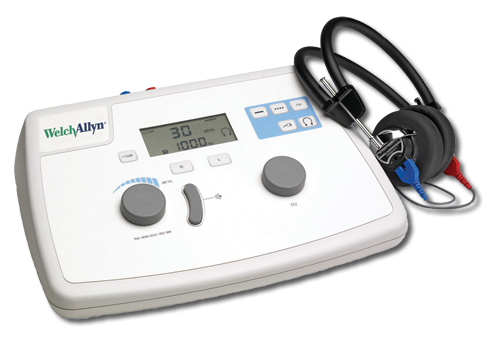
The realm of pediatric hearing assessments has been significantly enhanced by the advent of cutting-edge diagnostic tools and techniques. These innovations are not only child-friendly and efficient but also surpass traditional methods in many aspects. One of the most notable advancements in this field is the development of objective and automated screening tests.
These tests are revolutionizing the way hearing loss is diagnosed in infants and children. They are designed to assess hearing without requiring behavioral responses, which can be challenging to obtain from very young patients. Otoacoustic emissions (OAEs) and auditory brainstem response (ABR) tests are two such technologies that have become indispensable in pediatric audiology. These tests can effectively identify and quantify hearing loss, making it easier for clinicians to tailor interventions to individual needs.
In addition to these tests, computerized hearing assessments and remote monitoring are making significant strides. They allow for continuous assessment and monitoring of a child’s hearing development. This real-time data collection and analysis can lead to more timely interventions and treatment plans, thereby improving outcomes for children with hearing loss.
The early detection of hearing issues is of paramount importance in pediatrics, as the child’s early years are critical for language and cognitive development. With the help of these emerging technologies, potential hearing problems can be identified earlier than ever before, leading to earlier and more effective treatments.
In conclusion, the latest advancements in pediatric hearing assessments are transforming the field, providing more accurate and efficient diagnostic tools and paving the way for better outcomes for children with hearing loss. As research continues, we can expect further innovations that will further improve the care and quality of life for these young patients.
The field of pediatric audiology is witnessing significant advancements in hearing aids designed specifically for children. These innovations are not only making hearing aids more child-friendly but also improving their functionality.
Hearing aids for children have evolved to become smaller, more durable, and highly functional. Manufacturers are incorporating designs that are comfortable and robust, with the ability to withstand the active lifestyle of young users. The latest hearing aids are also equipped with features that enhance the listening experience in various environments, including noisy classrooms and playgrounds.
The integration of wireless technologies in hearing aids is revolutionizing the way children interact with their devices. These technologies enable improved connectivity between hearing aids and external devices such as mobile phones and tablets. Additionally, they allow remote management of hearing aids, enabling settings adjustments and software updates without the need for physical visits to audiologists for minor tweaks.
Smart hearing aids have been developed with features that cater to the unique needs of pediatric patients. Voice recognition technology and noise reduction capabilities greatly improve sound quality, making it easier for children to understand speech and participate in conversations. These features are particularly beneficial in educational settings where clear communication is paramount.
Telehealth has played a crucial role in the fitting and adjustment of hearing aids for children, especially in remote or underserved areas where access to audiologists may be limited. Teleaudiology services allow for virtual appointments, reducing the need for travel and ensuring that children receive the necessary care for their hearing aids. This is particularly significant for families with time constraints or those living far from specialist clinics.
In conclusion, the landscape of pediatric hearing aids is rapidly changing, driven by innovations that focus on enhancing the comfort, functionality, and accessibility of these devices. With the integration of wireless technologies and the rise of smart features, hearing aids are becoming more effective tools for children with hearing impairments. Moreover, the advent of telehealth is breaking down barriers to care, ensuring that more children can access the support they need for better hearing and communication.
In recent years, the field of pediatric hearing restoration has seen significant advancements, particularly with the development of cochlear implants and other surgical interventions. Cochlear implants, which are surgically implanted devices, have been adapted for use in children with severe to profound hearing loss, providing a sense of sound where conventional hearing aids are insufficient.
Cochlear implants, as the name suggests, are implanted directly into the cochlea, the spiral-shaped bone in the inner ear that plays a crucial role in converting sounds into auditory signals. These devices consist of an external portion that sits behind the ear and an internal portion that is surgically implanted during a brief outpatient procedure. The external portion picks up sound, which is then transmitted to the internal portion, bypassing the damaged parts of the ear and directly stimulating the auditory nerve.
The results of cochlear implantation in children are typically promising, with many children experiencing significant improvements in their hearing after the procedure. However, the effectiveness of the implant can vary depending on several factors, including the child’s age at the time of implantation, the duration of deafness before implantation, and the level of hearing loss. Studies consistently show that younger children tend to have better outcomes, as they have a greater capacity to learn speech and language before these skills become too challenging to acquire.
Before cochlear implantation, a comprehensive evaluation is conducted to determine if a child is a suitable candidate for the surgery. This evaluation typically includes a hearing assessment, a review of the child’s medical history, and sometimes diagnostic imaging to assess the structure of the cochlea and auditory nerve.
While cochlear implants are the gold standard for restoring hearing in children with severe to profound hearing loss, they are not the only option. Osseointegrated hearing systems (OHS) are an emerging alternative that uses a bone conduction device implanted in the skull to transmit sound directly to the cochlea. This method bypasses the outer and middle ear, which can be beneficial for children with chronic ear infections or malformations in the outer or middle ear.
Other surgical solutions, such as middle ear implant systems, are also available and may be suitable for some children with certain types of hearing loss. These systems use an implanted device to vibrate the ossicles, the small bones in the middle ear, transmitting sound directly to the cochlea.
The future of pediatric hearing restoration lies in the promise of stem cell therapy and genetic engineering. Researchers are exploring the potential of using a patient’s own stem cells to regenerate damaged organs of hearing or to correct genetic mutations that cause hearing loss. While these technologies are still in the experimental phase, they offer a tantalizing glimpse into a future where hearing restoration may be more natural and less invasive.
In conclusion, the field of pediatric hearing restoration is making strides, with new technologies like cochlear implants and surgical alternatives offering hope to children with hearing loss and their families. As research continues, it is likely that we will see even more advanced and personalized approaches to hearing restoration in the years to come.
The development of language and communication skills is essential for a child’s social and educational growth. For children with hearing loss, these milestones are even more critical. Innovative therapies are continually emerging to help children with hearing loss reach their full potential.
One of the primary focuses in hearing rehabilitation is the use of auditory-verbal techniques. These techniques prioritize the development of spoken language and listening skills in children with hearing loss. Early intervention programs play a crucial role in this process, as they aim to maximize a child’s ability to develop language and social skills.
Parents and caregivers are integral to a child’s rehabilitation process. Therefore, parent-training programs are designed to empower families in supporting their child’s hearing and language development at home. These programs teach:
Music therapy, alongside other creative interventions, is increasingly used to stimulate auditory pathways and improve listening skills in children with hearing loss. These therapies may include:
These creative approaches foster an enjoyable and stimulating environment for children to develop their auditory skills, reinforcing essential language and communication development.
In conclusion, with advances in technology and innovative therapies, children with hearing loss are increasingly receiving the support they need to develop their language and communication skills. By utilizing auditory-verbal techniques, early intervention programs, and creative interventions like music therapy, our society is becoming better equipped to help children with hearing loss reach their full potential.
With advancements in technology and a growing understanding of auditory development, educational strategies for hearing-impaired children have evolved to be more inclusive and effective. These strategies aim to ensure that children with hearing impairments receive the best possible education, despite their challenges.
Inclusive education models are designed to accommodate the diverse needs of students, including those with hearing impairments. These models integrate children with hearing disabilities into mainstream classrooms, with specialized support and accommodations to facilitate their learning. This approach is beneficial as it allows hearing-impaired children to develop social skills alongside their peers, encouraging a sense of community and minimizing feelings of isolation.
Assistive listening devices are essential tools that help hearing-impaired children to engage with the classroom environment. These devices work in conjunction with hearing aids or cochlear implants to amplify speech and other sounds directly to the child’s ear. Some popular ALDs include FM systems and hearing loops, which transmit audio signals wirelessly to the child’s hearing device, enhancing comprehension and engagement in the learning process.
| Device | Description |
|---|---|
| FM System | A wireless device that captures the speaker’s voice and sends it straight to the child’s hearing aid or cochlear implant, reducing background noise interference. |
| Hearing Loop | A loop of wire installed around a room that creates a magnetic field, which a telecoil-equipped hearing aid or cochlear implant can pick up, providing direct audio transmission to the child’s ear. |
Educating teachers about hearing impairments and training them in strategies to effectively teach hearing-impaired children is a critical component of successful inclusive education models. Strategies for improving classroom acoustics and communication include ensuring that the child sits near the teacher, using microphones for instruction, and maintaining a clutter-free, visually organized classroom. By implementing these strategies, teachers can better cater to the needs of students with hearing impairments and provide an optimal learning experience.
Schools are increasingly offering hearing programs and resources to support children with hearing loss. These programs provide audiological evaluations, assistance in obtaining appropriate hearing technology, and ongoing monitoring of the child’s hearing progress. Offering these resources in the school setting allows for seamless integration of hearing assistance into the child’s daily educational experience, enhancing their overall academic success.
In conclusion, a range of strategies and technologies are available to support the educational journey of children with hearing impairments. By incorporating assistive listening devices, teacher training, and school-based hearing programs, educators can facilitate the successful inclusion of hearing-impaired children and improve their learning outcomes. Embracing these advancements and embracing an inclusive approach to education can help ensure that every child, regardless of their hearing abilities, can reach their full academic potential.
Teleaudiology, a specialized branch of telemedicine, has become increasingly important in the realm of pediatric hearing care. It involves the use of telecommunications technology for the remote diagnosis and management of hearing disorders. This innovative approach to healthcare delivery has the potential to significantly expand access to hearing care professionals for children, particularly those in remote or underserved areas.
Teleaudiology is not just about distance care; it’s about bringing the audiologist directly to the patient, regardless of location. With the aid of advanced telecommunications technology, audiologists can assess a child’s hearing, diagnose any issues, and manage their hearing health without the need for face-to-face interaction. This is particularly beneficial for children who may not have access to specialized hearing care services nearby.
One of the most significant advantages of teleaudiology is its ability to bridge the gap between hearing care professionals and children in need of their services. By utilizing teleaudiology, care can be provided to children living in remote areas or those with limited mobility, ensuring that no child is left behind in receiving the care they need. This approach also helps to reduce the burden on parents who may struggle with the logistics and financial constraints of traveling for hearing care appointments.
Moreover, teleaudiology can improve access to services for families who have limited availability due to work or other commitments. By removing the need for travel, parents are more likely to be able to schedule appointments at times that are convenient for their family’s schedule, further facilitating consistent care.
According to the American Speech-Language-Hearing Association (ASHA), teleaudiology has “demonstrated comparable efficacy to in-person services in many areas of practice.”
However, while teleaudiology offers numerous benefits, it is not without its challenges. One of the primary concerns is maintaining the quality of care despite the distance. The auditory environment during a teleaudiology session is crucial; noise and other distractions can affect the accuracy of hearing tests. Additionally, the need for high-speed internet and specialized equipment can be barriers for some families.
Audiologists must also consider HIPAA regulations and ensure that all telehealth services are provided in a secure environment that protects the privacy of patient data. Despite these challenges, the potential benefits of teleaudiology are significant, and many professionals are working to overcome these obstacles to provide the best possible care.
As technology continues to advance, so too does the potential of teleaudiology in pediatric care. The integration of smart devices, mobile applications, and patient management software allows for more personalized and interactive care experiences. These tools enable professionals to track progress effectively, adjust treatments as necessary, and provide support to families managing hearing loss at home.
Furthermore, as more research is conducted and best practices for teleaudiology are established, we can expect to see improvements in the quality of remote hearing assessments and interventions. This includes advancements in the technology used for testing and the methods employed to engage and communicate with young patients.
In conclusion, teleaudiology offers a promising future for pediatric hearing care. By increasing accessibility, providing convenience, and leveraging innovative technology, teleaudiology is poised to transform the way we approach hearing care, ensuring that all children receive the support they need to thrive.
Optimal hearing aid usage depends on proper fitting and follow-up care. As technology advances, the way pediatric hearing aids are fitted and managed continues to improve, ensuring more effective treatment.
Proper fitting is the cornerstone of successful hearing aid use. Ill-fitting hearing aids can cause discomfort, reduce sound quality, and lead to poor user adherence.
Comfort is key for a child’s acceptance and consistent use of hearing aids, as noted by the American Speech-Language-Hearing Association (ASHA).
This has led manufacturers to make significant advancements in pediatric earmold designs. From soft, pliable materials to more precise custom molds, the comfort and fit of hearing aids are being optimized for young users.
Recent innovations have focused on the customization of hearing aids to ensure optimal sound delivery. These innovations include adjustable vents that can compensate for different degrees of hearing loss and different aspects of the user’s ear canal.
Customization can also be seen in the design of color-coded and character-adorned hearing aids that cater to children’s preferences, enhancing their comfort and willingness to wear them.
The integration of remote tuning and programming options has revolutionized follow-up care in pediatric hearing aid management. With the ability to adjust settings remotely, audiologists can ensure that hearing aids are optimized without requiring in-person visits.
By using digital platforms, fine-tuning can be achieved swiftly, improving the child’s hearing aid experience and reducing the potential for lost school or work time for parents.
Patient management software and mobile apps have become vital tools in pediatric hearing aid follow-up care. They facilitate the tracking of progress and engagement in hearing aid use, providing valuable data to both the care provider and the client.
These digital resources allow for real-time feedback and adjustments, ensuring the hearing aids are meeting the child’s needs as they grow and change.
The future of pediatric hearing aid fitting and follow-up care is bright, with technology continually enhancing the process. As we move forward, it’s likely that even more innovations will emerge, further improving the experience for young hearing aid wearers and their families.
Category: Audiology
© 2026 www.audresources.org. All rights reserved.