In any workplace, the significance of protecting hearing should not be understated. Noise-induced hearing loss (NIHL) poses a significant threat to a worker’s health, productivity, and overall well-being. According to the Centers for Disease Control and Prevention (CDC), approximately 22 million workers in the United States are exposed to hazardous noise levels every year. Additionally, 10 million people suffer from permanent hearing damage due to loud noise.
Various factors can contribute to NIHL, including exposure to loud noises and lack of proper hearing protection. When workers are exposed to noise levels above 85 decibels – approximately the sound of a lawnmower – for extended periods, they are at risk of developing NIHL. The immediate impact of NIHL includes temporary or permanent hearing loss, tinnitus, difficulty in concentrating, increased stress levels, and communication issues. Over time, these factors can deteriorate work performance, affecting both employees and employers.
The economic costs associated with NIHL can be substantial for employers. Studies have shown that noise-related injuries can result in increased sick days, increased healthcare expenses, and significantly fewer productive hours in the workplace. According to the National Institute for Occupational Safety and Health (NIOSH), the direct and indirect costs for NIHL claims alone account for over $242 million in workers’ compensation costs each year. Consequently, employers must take necessary measures to protect their workers’ hearing to maintain a productive, healthy, and safe workplace.
Implementing comprehensive hearing conservation programs is essential to reduce the prevalence of NIHL in the workplace. The legal and regulatory framework governing hearing protection has established standards, such as those by the Occupational Safety and Health Administration (OSHA), to protect workers from hazardous noise levels and assess the effectiveness of hearing protection measures.
Understanding these regulations and establishing well-designed hearing conservation programs can effectively lower noise exposure and mitigate the risks associated with NIHL.
In conclusion, prioritizing hearing conservation in the workplace is critical for protecting the health, well-being, and productivity of workers. Employers can significantly reduce the economic and legal implications of NIHL by adhering to appropriate regulations, establishing effective hearing conservation programs, and providing comprehensive hearing protection resources.
In order to develop an effective hearing conservation program, it’s essential to be able to recognize potential noise hazards in the workplace. This involves identifying sources of loud and persistent noise, such as heavy machinery, loud music, or ringing phones, that workers are exposed to for extended periods. By being aware of these potential hazards, management can take preventative measures to ensure a safe working environment for employees.
Understanding the primary risk factors of noise-induced hearing loss (NIHL) can help identify workers who are at an increased risk. These risk factors include:
Employers can take numerous steps to reduce the risks associated with noise exposure for their employees.
Engineering controls: Companies can redesign or modify noisy equipment or machinery with quieter models, add vibration dampeners, or enclose sources of noise in soundproof chambers. Additionally, they can implement measures, such as the relocation of noisy equipment or utilizing sound-absorbing materials to reduce noise levels.
Administrative controls: Companies can implement policies and procedures, such as limiting the number of hours employees work near noisy equipment or implementing mandatory break periods in quiet areas. These controls can help reduce workers’ overall exposure to harmful noise levels.
Personal Protective Equipment (PPE): Employers can ensure that their employees have access to and use appropriate hearing protection devices, such as earmuffs or earplugs. It’s essential to provide training on the proper use of PPE and monitor its use to ensure employees’ hearing is being adequately protected.
By identifying noise hazards and risk factors, and implementing appropriate measures, employers can make their workplace safer and mitigate the effects of noise-induced hearing loss on their employees’ health and productivity.
To implement a successful hearing conservation program that promotes employee health and overall well-being, several key components must be addressed:
By addressing these critical components, businesses can create a comprehensive hearing conservation program to protect employees’ health and well-being while promoting a safe, sustainable working environment. Properly managing noise exposure and hearing protection will result in reduced costs, increased productivity, and a better reputation for prioritizing employee safety and well-being.
An essential aspect of a successful hearing conservation program is providing employees with comprehensive training and education on hearing conservation. This section will discuss various types of training methods and the value of written educational materials, posters, and other visual aids in promoting awareness about noise-induced hearing loss and the steps employees can take to protect their hearing.
Educational materials, such as pamphlets, brochures, or informational booklets, can be distributed to employees to serve as resources for them to reference when they need a quick reminder or refresher course on hearing conservation practices. These materials should be easy to read, visually appealing, and present information in a clear, concise manner.
In addition to written educational materials, posters and other visual aids can be displayed in areas where employees congregate, such as break rooms or entrances to noisy workspaces. These images can be designed to grab attention and reinforce key messages related to hearing protection, noise levels and the importance of using personal protective equipment (PPE). Posters can also serve as reminders to employees to wear their hearing protection in designated areas of the workplace.
In order to maintain an effective hearing conservation program, ongoing education and training for employees should be a priority. As new research emerges, updates to regulations occur, or advancements in hearing protection technology develop, it’s crucial to share this information with employees to keep them informed and up-to-date on the latest recommended practices for hearing conservation in the workplace.
By providing employees with comprehensive training and education on hearing conservation, it ensures they have the necessary knowledge and tools to protect their hearing, prevent noise-induced hearing loss, and contribute to a safer work environment for all.
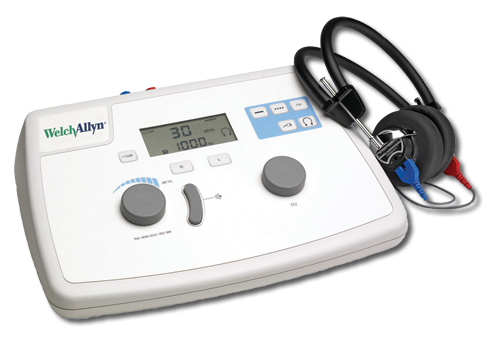
A vital ingredient in any successful hearing conservation program is the implementation of regular audiometric testing. These assessments help monitor the effectiveness of hearing protection measures and provide valuable insight into workers’ hearing status, allowing for prompt intervention if needed.
Audiometric testing measures an individual’s sensitivity to different sound frequencies and helps determine the presence of any hearing loss or impairment. It is performed under controlled conditions, typically in a sound booth or a sound-treated room, where a qualified healthcare professional presents a series of tones and words at various frequencies and volumes. The subject’s responses are recorded and analyzed to determine their hearing abilities.
Accurate record-keeping is essential for fostering accountability, compliance, and continuous improvement within the hearing conservation program. Maintaining clear and up-to-date records offers several benefits:
| Record Information | Retention Period |
|---|---|
| Audiometric Testing Results | Indefinitely |
| Hearing Protection Device Usage | 2 years |
| Medical History and Susceptibility | 2 years |
| Training Documentation | 2 years |
Audiometric testing and proper record-keeping are irreplaceable components of an effective hearing conservation program. Their integration not only supports compliance with regulations but also contributes to overall workplace safety, reduced healthcare costs, and improved employee well-being. As such, commitment to comprehensive audiometric testing and meticulous record-keeping is essential for fostering a sustainable, health-conscious work environment.
An effective hearing conservation program cannot be a one-time set-up; it requires continuous evaluation and fine-tuning to ensure its ongoing success. This section will cover the key strategies and areas of focus for organizations looking to maintain a robust hearing conservation program.
One of the primary responsibilities of any hearing conservation program is to identify and monitor noise levels in the workplace. Employers should:
Monitoring the use of protective devices, such as earplugs and earmuffs, is crucial to ensure employees are being adequately protected. Organizations should:
An essential aspect of managing a hearing conservation program is regularly evaluating employees’ hearing sensitivity. This includes:
Finally, organizations must embrace the principles of continuous learning and improvement. This involves:
In summary, active involvement in maintaining and evolving a hearing conservation program is essential for the well-being of employees, safety of the workplace, and the success of the organization. By regularly monitoring noise levels, assessing protective device use, evaluating hearing sensitivity, and staying adaptable in the face of new information or trends, companies can create a sustainable environment that safeguards employees’ health and well-being.
Investing in an effective hearing conservation program can yield various advantageous outcomes for both employees and employers. Some of the key benefits include:
By addressing and preventing noise-induced hearing loss (NIHL), the company can significantly reduce the associated healthcare costs and lost work hours due to hearing issues. Well-executed prevention strategies and regular audiometric testing can identify potential problems before they escalate, which ultimately saves time and money for both parties.
A healthy workforce is a productive workforce. By providing suitable hearing protection equipment and education to employees, companies can minimize hearing damage and promote a more energetic, focused, and engaged workforce. This commitment to hearing safety can also enhance the overall well-being of employees, leading to increased job satisfaction and better organizational performance.
Demonstrating a commitment to occupational health and safety, including hearing conservation efforts, can significantly improve a company’s public image and enhance its reputation as a responsible employer. This, in turn, can help attract and retain top talent, leading to lower turnover rates and improved employee morale.
Implementing a well-designed hearing conservation program will not only promote a safe and healthy work environment but also ensure that the company is adhering to regulatory requirements. This compliance can prevent the risk of fines and penalties and maintain a positive relationship with regulatory authorities.
Quote: Stephen O’Flaherty, CEO of GN Hearing, reiterates the importance of proactive hearing conservation measures: “The key is to consider the impact of noise exposure, and mitigate its effect as much as possible by putting the right focus on prevention and protection”.
In conclusion, a comprehensive hearing conservation program can contribute to a safer and more sustainable work environment, protecting the health, well-being, and quality of life of all employees. Embracing this commitment to hearing safety will lead to reduced costs, improved efficiency, increased employee engagement, and a positive impact on the company’s reputation.
Category: Audiology
© 2026 www.audresources.org. All rights reserved.