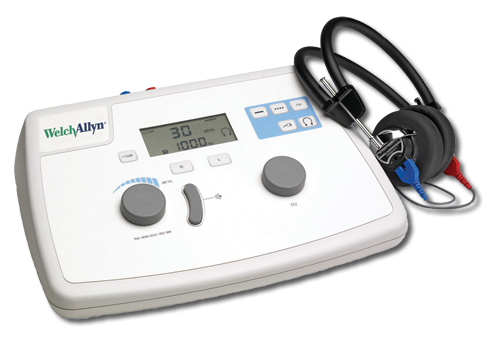
The history of audiological testing is a testament to the relentless pursuit of understanding the intricate nature of human hearing and developing techniques to diagnose and manage auditory disorders. From its humble beginnings to the cutting-edge technology of today, audiological testing has come a long way in serving the millions of people worldwide who experience hearing loss.
1. Historical Context of Audiological Testing:
In the early days of audiology, the process was rudimentary, relying on behavioral observations and subjective reports from patients. Instruments like tuning forks and whispered voice tests were used to gauge a person’s hearing threshold, but these methods were inherently limited and imprecise. The early 20th century saw the introduction of audiometers, which used calibrated tones and headphones to measure hearing sensitivity more accurately. The concept of ‘threshold of hearing’ was formalized, laying the groundwork for modern hearing evaluations.
2. Technological Breakthroughs:
The invention of the audiometer was a watershed moment in audiology. This device revolutionized the field by providing a standardized method for measuring hearing thresholds across frequencies. As technology advanced, audiometers evolved, incorporating digitization and computerization. These improvements have led to more sophisticated testing and a deeper understanding of the auditory system. For instance, digitization has allowed for precise manipulation of test signals and detailed recording of responses, enhancing both the preciseness of the test results and the ease of data analysis.
3. The Evolving Understanding of Hearing Loss:
Concurrent with technological advancements, our understanding of hearing loss and the auditory system has grown exponentially. Researchers have unraveled the complexities of the human ear, from the mechanics of sound transmission to the neural processes that enable us to perceive and interpret sounds. This knowledge has been translated into more refined testing methods, such as otoacoustic emissions (OAEs) and auditory brainstem response (ABR) testing, which can assess aspects of hearing not reachable by traditional techniques. As we learn more about how the auditory system works, our ability to diagnose and manage hearing impairments becomes increasingly sophisticated and personalized.
From the earliest use of tuning forks to the high-tech diagnostics of the 21st century, the evolution of audiological testing reflects the intersection of scientific discovery and medical innovation. As we look back at the historical milestones, we are reminded of the continuous drive to improve the quality of life for those with hearing impairments, a pursuit that is as noble as it is necessary.
Audiological testing has come a long way since its early days, and today, audiologists have a range of modern testing methods at their disposal. These tests are designed to evaluate different aspects of hearing and diagnose various types of hearing impairments.
Modern audiological tests include:
Each of these tests serves a unique diagnostic purpose:
These tests are used across different age groups, from infants to older adults. For example, OAE testing is used to screen for hearing loss in newborns, while older adults may undergo a comprehensive battery of tests, including pure-tone audiometry and speech audiometry, to manage age-related hearing loss.
The specific tests used can vary depending on the age and condition of the patient:
By using the right combination of these tests, audiologists can provide a comprehensive assessment of an individual’s hearing ability, leading to more accurate diagnoses and tailored management plans for hearing impairment.
As technology continues to evolve, so too do the methods and tools at the disposal of audiologists for assessing and treating hearing loss. The advent of advanced technology has significantly impacted the landscape of audiological testing, offering more sophisticated and effective ways to diagnose and manage hearing impairments.
The integration of technology has improved the methods used to assess hearing in several ways, including the following:
One of the most significant advancements in audiological services is teleaudiology. This practice uses telecommunication tools and technologies to provide hearing health services remotely. This approach is particularly beneficial in areas where access to audiological services is limited due to geographical or financial constraints. Teleaudiology allows for:
Advanced audiological testing plays a pivotal role in enhancing patient experience and outcomes by enabling more accurate diagnoses, personalized care, and better management of hearing loss. Here’s how:
With advanced audiological testing, hearing care professionals can tailor treatment plans to the unique needs of each patient. This is done by:
The benefits of early detection and diagnosis of hearing loss are numerous:
Advanced testing techniques can facilitate early detection and diagnosis by:
With the data provided by advanced audiological tests, hearing care professionals can make more informed decisions about the selection and fitting of hearing aids and other assistive devices:
In conclusion, advanced audiological testing is crucial for providing the best possible outcomes for individuals with hearing loss. By improving patient experience, facilitating early detection and diagnosis, and guiding the selection and fitting of hearing aids and other devices, advanced testing is at the forefront of modern hearing care.
As audiological testing continues to advance, several challenges and limitations must be considered. These factors, which include cost, accessibility, and training requirements, can impact the effective implementation of advanced testing methods.
Advanced audiological testing often requires specialized equipment, software, and training. These expenses can be prohibitive for smaller clinics or practices, making it difficult for them to offer the latest testing methods. Additionally, not all populations have access to healthcare facilities or professionals who employ these advanced techniques. Cost barriers can create disparities in hearing care, leading to inequitable access to diagnostic and treatment services.
| Challenge | Potential Solution |
|---|---|
| High cost of equipment | Leveraging grants, subsidies, or partnerships to reduce initial investment |
| Insufficient trained personnel | Increasing educational opportunities and certification programs |
| Limited availability in rural or underserved areas | Supporting teleaudiology initiatives to extend services to remote regions |
Certain advanced testing techniques may not always be suitable for all individuals. For example, children may require different approaches due to developmental stage and attention span, while individuals with severe cognitive impairment may struggle to follow complex testing procedures. It is crucial for audiologists to be aware of such limitations to ensure accurate diagnoses and effective treatment plans.
The increased role of technology in audiological testing also raises ethical questions. There is a risk of over-relying on technology, which could potentially undermine the importance of the audiologist’s clinical judgment and patient-centered care. Additionally, concerns related to data privacy and security become more pronounced with the digitization of patient information and the use of telehealth services.
The field of audiology is constantly evolving, driven by advances in technology and the growing understanding of the human auditory system. To ensure that healthcare professionals are equipped to deliver the best possible care, there are established standards for training and certification in advanced audiological testing. This section will outline the current educational and certification standards, discuss the importance of continuous professional development, and emphasize the value of international collaboration in advancing the field.
Audiologists are required to complete a Doctor of Audiology (Au.D.) degree from an accredited program, a process that typically takes four years and includes both academic coursework and clinical practicum. The educational curriculum covers a broad range of topics, including human anatomy and physiology, hearing science, acoustics, audiology diagnostics, and hearing aid devices.
The American Speech-Language-Hearing Association (ASHA) recommends a minimum of 375 clock hours of supervised clinical experience as part of the educational program.
In addition to academic requirements, most countries regulate the practice of audiology and require certification or licensure to practice. In the United States, audiologists must pass the Praxis Examination for Audiology administered by the Educational Testing Service (ETS) to be eligible for licensure.
Audiology is a dynamic field, and professionals must engage in continuous learning to keep up with the latest diagnostic techniques, treatment methods, and technological advancements. Many organizations, such as the American Academy of Audiology (AAA), offer continuing education (CE) opportunities, including conferences, workshops, and online courses.
According to AAA, audiologists need to complete 30 hours of CE every three years to maintain their professional certification.
These CE programs provide audiologists with the opportunity to learn about new research findings, test new technologies, and discuss best practices with colleagues. They also allow professionals to hone their skills in specific areas of audiology, such as pediatric audiology or tinnitus management.
As audiology is a global field, there is a growing importance on international collaboration in setting standards and guidelines. Organizations like the International Society of Audiology (ISA) work to promote the exchange of knowledge and ideas across borders, ensuring that best practices are shared and implemented globally.
The ISA aims to “improve global hearing care standards through research, partnerships, and education.”
Through international conferences, research partnerships, and the development of universal guidelines, audiologists around the world can benefit from the collective knowledge of the global audiology community. This collaboration is essential for advancing the field and ensuring that patients worldwide have access to the highest standard of care.
The field of audiology is continually evolving, with new technologies and research areas shaping the future of audiological testing. In this rapidly advancing landscape, it is crucial for professionals to stay abreast of emerging trends and innovations to ensure the best possible outcomes for individuals with hearing loss.
One of the most promising areas of research in audiological testing is the incorporation of machine learning and artificial intelligence (AI) into diagnostic and treatment tools. These technologies have the potential to revolutionize the way hearing loss is assessed and managed.
For instance, machine learning algorithms can be trained to analyze audiological test results and predict the progression of hearing loss more accurately than traditional methods. AI can also aid in the customization of hearing aids by adjusting settings based on a patient’s specific hearing profiles and environments.
The advent of personalized medicine, driven by advances in genetics, is another area that could significantly impact audiological testing. By understanding the genetic basis of hearing loss, clinicians can tailor treatments and interventions to the individual needs of patients, leading to more effective management of hearing impairment.
Genetic testing can also aid in early identification of people at risk for hearing loss, allowing for preventive measures or early intervention. This is particularly important for hereditary hearing loss, where genetic counseling and family planning can play a pivotal role in managing the condition.
As we look to the future, it is clear that innovation in audiology will be shaped by a combination of technological advancements and a deeper understanding of the auditory system. The continuous development of new diagnostic tools and treatment modalities will require audiologists and hearing healthcare professionals to engage in ongoing professional development and collaboration.
International cooperation in setting standards and guidelines for advanced audiological practice is vital to ensure that the latest advancements are accessible and beneficial to patients worldwide. By fostering a culture of innovation and continuous learning, the audiology community can work towards a future where hearing loss is effectively managed for everyone, regardless of location or circumstance.
In conclusion, the future of audiological testing is bright, with exciting possibilities on the horizon. As we navigate the complexities of machine learning, genetics, and the integration of new technologies, our goal remains constant: to improve the lives of individuals with hearing loss through better diagnostics, personalized treatments, and accessible care.
Category: Audiology
© 2026 www.audresources.org. All rights reserved.