Sound is an integral part of our everyday lives, serving as a medium for communication and significantly impacting our cognitive development. The ability to hear allows us to interact with the world around us, understand spoken language, express ourselves, and engage in social interactions. It is a vital sense that not only connects us with others but also enhances our overall well-being.
However, auditory issues can have a profound negative impact on quality of life. Hearing loss, for instance, can lead to social isolation as individuals struggle to communicate effectively. This isolation can result in feelings of loneliness and depression, as well as a decline in social participation. Moreover, hearing impairment can pose educational challenges, particularly for children, as it affects their ability to learn and develop language skills. In adults, untreated hearing loss can hinder professional growth, as it may impede their ability to perform well in work environments that require oral communication or auditory alertness.
The prevalence of hearing loss is a global concern. According to the World Health Organization (WHO), approximately 466 million people worldwide have disabling hearing loss, and this number is projected to rise to over 900 million by 2050. This increase is attributed to several factors, including the rising number of older adults, who are at a higher risk of age-related hearing loss, exposure to excessive noise in various environments, and the increasing popularity of music and entertainment systems that can damage hearing over time.
Addressing hearing loss early on is crucial. Early intervention through the use of hearing aids, cochlear implants, and other assistive listening devices can significantly improve quality of life for individuals with hearing impairments. Audiologic services, which include comprehensive diagnostic evaluations, rehabilitation, and counseling, are essential for the management of hearing loss and balance disorders. These services are provided by audiologists, healthcare professionals who specialize in the prevention, identification, assessment, and treatment of hearing and balance disorders.
In conclusion, the importance of sound and auditory health cannot be overstated. It is a fundamental aspect of our existence that requires attention and care. As the prevalence of hearing loss continues to rise, it is imperative that individuals recognize the impact on their lives and seek appropriate treatment. Audiologists play a crucial role in ensuring that those affected by hearing loss can lead full and active lives, with access to the support and technology they need to manage their condition effectively.
Audiologists play a crucial role in the healthcare sector, specializing in the diagnosis, treatment, and prevention of hearing loss and balance disorders. Their expertise is vital for individuals experiencing communication challenges due to various auditory issues.
The range of services provided by audiologists is extensive, encompassing audiometric testing to assess the severity of hearing loss, fitting hearing aids to assist with amplification, auditory rehabilitation programs to improve speech recognition, and counseling to help patients and their families cope with hearing loss.
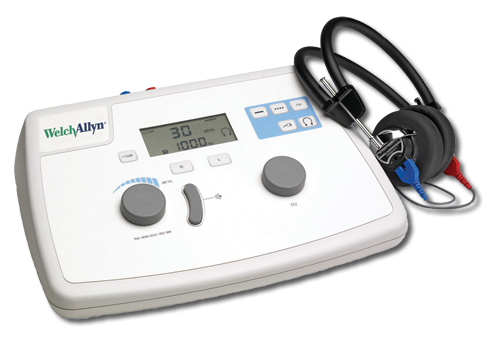
Audiometric Testing: This is the first step in diagnosing hearing loss. Audiologists use a variety of tests to measure a person’s hearing across different frequencies, determining the extent of their hearing impairment.
Hearing Aid Fitting: For those who require amplification, audiologists are skilled in identifying the appropriate type of hearing aid based on the individual’s hearing profile, lifestyle, and preferences. They ensure a proper fit and demonstrate how to use and care for the device effectively.
Auditory Rehabilitation: This involves a comprehensive approach to improving communication skills, often including auditory training, speech reading, counseling, and advice on communication strategies, which help individuals adapt to their hearing loss and communicate more efficiently.
Counseling: Audiologists provide emotional support and guidance, helping patients understand their hearing loss and adapt to their new abilities. They also offer counseling services to family members to help them support their loved ones.
The importance of early diagnosis of hearing loss cannot be overstated. Audiologists, through early intervention, can significantly improve the prognosis for individuals with hearing impairments. Prompt treatment can prevent complications such as social isolation, educational difficulties, and professional setbacks.
For children, early detection and intervention are particularly critical. Audiologists work closely with educators and healthcare professionals to ensure that children with hearing loss receive the support they need to develop language and communication skills effectively, minimizing the impact of hearing loss on their overall development.
In conclusion, the role of audiologists is multifaceted, encompassing not only the diagnosis and management of hearing disorders but also the implementation of strategies to improve the quality of life for individuals with hearing impairments. Through their comprehensive services and commitment to early intervention, audiologists significantly contribute to the well-being and communication abilities of their patients.
The field of audiology has witnessed remarkable advancements in technology that have significantly improved the diagnosis, management, and treatment of hearing disorders. These innovations have not only enhanced the quality of life for individuals with hearing loss but have also expanded the capabilities of audiologists in providing care.
One of the most significant contributions to audiology in recent years is the development of advanced hearing aids. These devices, which were once bulky and cumbersome, have evolved into sleek, high-tech pieces of equipment that can significantly improve a person’s hearing capabilities. Here are some of the cutting-edge features:
Cochlear implants are another groundbreaking technology that has transformed the lives of individuals with profound hearing loss. These devices bypass damaged portions of the ear and directly stimulate the auditory nerve, allowing even those with severe hearing impairment to perceive sound. The development of these implants has been an incredible achievement and continues to evolve with ongoing research and advancements.
In addition to cochlear implants, other implantable devices such as bone-anchored hearing aids (BAHA) and middle ear implants (MEI) are now available. These devices offer alternative options for individuals with specific types of hearing loss or those who are not suitable candidates for traditional hearing aids or cochlear implants.
Teleaudiology is a rapidly growing area within audiology that uses telecommunications technology to deliver services remotely. This approach allows individuals in remote or underserved areas to access audiological care that would otherwise be unavailable to them. It also provides a more convenient option for routine monitoring and adjustments, reducing the need for frequent in-person appointments.
With the increasing availability of high-speed internet and improvements in telecommunication technology, teleaudiology is expected to become even more prevalent in the future, reaching a wider population and improving patient outcomes.
As technology continues to advance, audiologists play a crucial role in integrating these innovations into their practice. From selecting the appropriate devices for individual patients to managing the complexities of these advanced tools, audiologists are at the forefront of ensuring that these technological advancements translate into better hearing healthcare for all.
The information provided here is based on general knowledge. For specific medical advice, consult a licensed healthcare professional.
The field of audiology is constantly evolving, with professionals dedicated to advancing the understanding of hearing loss and auditory disorders. Audiologists play a crucial role in not only diagnosing and treating hearing loss but also in conducting research that contributes to a deeper understanding of these conditions. This research is critical for the development of new treatments and strategies for prevention and management.
Audiologists are at the forefront of research into the causes of hearing loss. They study various factors that contribute to the onset and progression of hearing impairment, including:
By identifying the root causes, audiologists can provide targeted interventions and recommend preventative measures to individuals at risk.
Research in audiology also focuses on developing new treatments and management strategies for hearing loss and related disorders. Some areas of investigation include:
Audiologists are not only scientists but also educators. They play a vital role in creating and implementing educational programs aimed at increasing public awareness about the importance of hearing conservation. These programs often focus on:
In order to advance the field and ensure the availability of high-quality care for those with hearing loss, audiologists are involved in training future professionals. They contribute to the development of:
Audiologists are also active contributors to scholarly publications. They share their research findings, case studies, and clinical experiences through:
Audiologists often work in multidisciplinary settings, partnering with various healthcare professionals to provide comprehensive care for individuals with auditory and communication issues. These collaborations are essential, as hearing loss can have complex implications that require a team approach.
Coordinated care is particularly significant in the management of hearing loss, especially in pediatric cases. Early identification and intervention can significantly impact a child’s educational and social development. By working together, audiologists, ENT specialists, speech-language pathologists, and educators can:
Adults with hearing loss also benefit from coordinated care. Audiologists, for example, might collaborate with occupational therapists to assist individuals in adapting to hearing aids or cochlear implants and to find strategies for managing workplace communication challenges.
As experts in hearing health, audiologists bring specialized knowledge and skills to interdisciplinary teams. They are instrumental in:
In conclusion, the integration of audiologists into interdisciplinary teams is a testament to the increasingly recognized importance of auditory health in overall well-being. By working collaboratively, these professionals can ensure that individuals with hearing loss receive the comprehensive care they need to thrive in all aspects of their lives.
Audiologists around the world are proactive in advocating for greater access to affordable and accessible hearing healthcare services. They work tirelessly to ensure that the importance of audiology is recognized as a critical component of healthcare. Their efforts often include campaigning for insurance coverage for essential devices such as hearing aids and cochlear implants.
One of the key areas of advocacy for audiologists is the push for more comprehensive insurance coverage for hearing aids and cochlear implants. Currently, many insurance plans have limited coverage for these devices, leaving patients with significant out-of-pocket expenses. Audiologists are at the forefront of campaigns to change this, working with policymakers to understand the necessity of such services.
“Access to hearing healthcare should not be a privilege. It’s a basic human right. Audiologists are key to unlocking that right.” – Unknown
Audiologists are also committed to raising awareness about the importance of hearing healthcare. This includes educating the public about the dangers of noise-induced hearing loss and the need for hearing conservation. Through various campaigns and educational programs, they aim to change attitudes and perceptions towards hearing loss and the role of audiology in managing it.
Organizations such as the American Speech-Language-Hearing Association (ASHA) and the World Health Organization (WHO) play a pivotal role in promoting audiology on a global scale. ASHA supports audiologists in their practice and represents them in legislative and policy matters. The WHO’s initiatives target hearing loss prevention and universal access to hearing healthcare.
| Organization | Role in Promoting Audiology |
|---|---|
| ASHA | Supporting audiologists’ practice, representing them in legislative and policy matters. |
| WHO | Initiatives for deafness prevention and universal access to hearing healthcare. |
Through collaborative efforts, advocacy, and campaigning, audiologists are making strides in ensuring that hearing healthcare is recognized as an integral part of overall health. Their work is not just about treating hearing loss; it’s about improving the quality of life for individuals and communities worldwide.
As the field of audiology continues to grow and evolve, so too does the role of audiologists. They are no longer simply diagnosticians or treatment providers; they are advocates, educators, and innovators in the healthcare sector. Their dedication to improving hearing healthcare services is transforming the lives of millions around the globe.
As the field of audiology continues to evolve, several trends are emerging that promise to revolutionize the way hearing loss is diagnosed and managed. These advancements not only improve the functionality of hearing aids and cochlear implants but also offer new possibilities for individuals with hearing impairments.
Audiologists are poised to play an even more critical role in the healthcare team as these trends and predictions come to fruition. They will be at the forefront of translating scientific breakthroughs into clinical practice, ensuring that the latest technologies and treatments are accessible to those who need them most.
As the American Speech-Language-Hearing Association (ASHA) and the World Health Organization (WHO) continue to promote audiology on a global scale, the future of audiology looks brighter than ever. With a focus on personalized care, cutting-edge technology, and interdisciplinary collaboration, audiologists are set to make a significant impact on the lives of individuals with hearing loss worldwide.
In conclusion, the future of audiology is exciting and full of potential. With a commitment to research, technological advancements, and collaborative care, audiologists are well-equipped to meet the challenges and opportunities of the future, ensuring that individuals with hearing loss can live fulfilling, connected lives.
Category: Audiology
© 2026 www.audresources.org. All rights reserved.