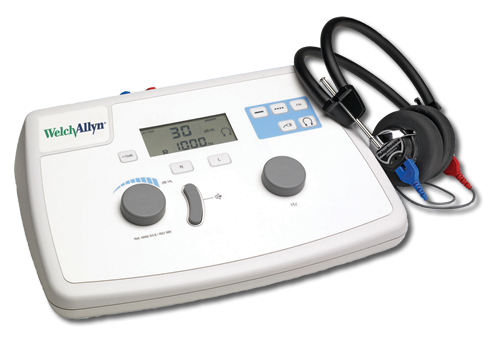
Audiology is a medical subspecialty that focuses on the diagnosis, treatment, and monitoring of hearing loss and related disorders. As an essential component of comprehensive healthcare, audiology plays a crucial role in supporting individuals’ overall well-being and quality of life. This critical field encompasses various hearing healthcare services, ranging from hearing aid fitting to cochlear implant surgery and speech therapy.
By integrating audiology with other healthcare services, healthcare systems are better positioned to offer improved outcomes for patients and increased efficiency within the system as a whole. These collaborative efforts can lead to a more seamless and effective continuum of care for individuals, leading to enhanced patient experiences and better healthcare outcomes.
Integrating Audiology with Other Healthcare Services:
Integrating audiology with a comprehensive healthcare model adds value to the entire system, ensuring a holistic approach to patient care. By partnering with other medical specialists such as primary care physicians, pediatricians, speech-language pathologists, and otolaryngologists, audiologists are in a better position to address the specific needs of their patients throughout their healthcare journey.
With hearing loss being a widespread issue and a growing concern among older adults, it is crucial to recognize the importance of audiology’s role in comprehensive healthcare. As the prevalence of hearing loss continues to rise, healthcare systems must ensure that audiology remains a key component in the delivery of high-quality, patient-centered care.
In conclusion, integrating audiology into the broader context of comprehensive healthcare has the potential to unlock new possibilities for improved patient care and outcomes. Audiology’s specialized expertise in hearing loss and related disorders ensures that patients receive the targeted care they require while also benefiting from a seamless integration with other healthcare services, ultimately leading to a more efficient and effective healthcare system.
Early identification and treatment of hearing loss and auditory-related disorders are crucial in achieving better outcomes for individuals. Untreated hearing loss can lead to an array of serious problems, such as communication difficulties, social isolation, and even cognitive decline.
Pediatric populations are particularly vulnerable to the long-term consequences of untreated hearing loss. When hearing loss is not promptly identified and addressed, it can adversely affect a child’s overall development, including speech, language, cognition, and social skills. These deficits can negatively impact educational attainment, employment opportunities, and quality of life throughout the individual’s lifetime.
Moreover, untreated hearing loss can result in secondary mental health issues, such as anxiety and depression, further compromising an individual’s overall well-being. Additionally, individuals with untreated hearing loss may experience greater health-related expenses due to increased medical and therapy needs over time.
By integrating audiology services with other healthcare services, it becomes possible to enhance the efficiency of early intervention programs. Doing so allows for expedited identification and treatment of hearing loss and disorders. Early intervention can prevent or mitigate many of the potential negative consequences associated with untreated hearing loss, reducing the overall burden on individuals, families, and society.
Early intervention programs are multifaceted and may include hearing screenings, diagnostic evaluations, assistive technologies, hearing aids, cochlear implants, and speech-language therapy. This comprehensive approach not only addresses the individual’s hearing loss but also seeks to maximize their ability to communicate, learn, and engage in social activities.
Integration of audiology services within the broader healthcare system ensures that interdisciplinary care teams are well-positioned to monitor and evaluate the effectiveness of early intervention strategies, making necessary adjustments as the individual’s needs evolve over time. Furthermore, healthcare professionals who are knowledgeable about effective early intervention practices can better advocate for and support patients and their families as they navigate the healthcare system and access the services required to address their hearing loss and disorders.
Integrating audiology with other healthcare services is vital for creating effective collaborative models of healthcare delivery. These models involve multidisciplinary teams working together to provide comprehensive and coordinated care to patients. The collaborative approach ensures that every aspect of a patient’s health is addressed, resulting in better outcomes and improved overall well-being.
One key benefit of collaborative models is streamlined communication between healthcare professionals. By sharing information and insights, specialists in different fields can develop a more complete understanding of a patient’s needs and work together to provide the most appropriate care. This may include sharing data on hearing loss and other auditory disorders, which can be crucial in developing an accurate diagnosis and appropriate treatment plan.
Multidisciplinary teams bring together specialists from various fields to collaborate on patient care. Some examples of healthcare specialists that might work together on a patient’s care plan include:
These professionals may work together to coordinate care, identify potential barriers to effective treatment, and develop comprehensive treatment plans tailored to each patient’s unique needs.
Several benefits result from using collaborative models to provide healthcare services:
In conclusion, integrating audiology with other healthcare services and utilizing collaborative models is essential for delivering comprehensive, effective, and efficient care to patients with hearing loss and other auditory disorders. By bringing together specialists from various fields and adopting a multidisciplinary team approach, healthcare providers can ensure that every aspect of a patient’s health is addressed, resulting in better outcomes and increased well-being.
The integration of audiology with other healthcare services can be significantly enhanced through the use of various information technology solutions. These IT applications help bridge the gaps between different healthcare disciplines, leading to more streamlined care, improved communication between professionals, and increased patient satisfaction. Here, we will explore various IT solutions that can facilitate audiology integration in the healthcare system.
One of the most effective ways to integrate audiology services with other healthcare services is by incorporating audiological data into Electronic Health Records (EHRs). EHR systems that store and manage information relating to hearing health enable healthcare providers to monitor and assess a patient’s hearing status across time, regardless of their general field of practice. This continuous tracking can lead to better coordination of care and timely intervention when a patient’s hearing health declines.
Moreover, EHRs can be used to create personalized care plans for individuals with hearing loss, helping other healthcare providers collaborate more effectively with audiologists. EHR integration makes it possible to share patients’ hearing evaluations, progress notes, and treatment plans with relevant specialists, promoting a more comprehensive approach to care. This can be particularly beneficial in cases where cochlear implants or hearing aids are prescribed, as a coordinated interdisciplinary approach involving audiologists, otolaryngologists, and speech-language pathologists can be crucial for optimal outcomes.
The use of telehealth platforms to connect patients with audiologists can play an essential role in integrating audiology services into the broader healthcare system. Telehealth platforms allow for remote audiological evaluations and consultations, making it easier for patients to access necessary care without needing to travel to a specialist. This is especially useful for individuals living in remote or rural locations, where access to hearing healthcare services can be limited.
Telehealth services can consist of live video appointments or asynchronous communication, such as secure messaging or e-consultations. These platforms enable audiologists to remotely screen for hearing loss, make recommendations for management, and even remotely program hearing aids to fine-tune a patient’s hearing aid settings.
Another way IT can facilitate the integration of audiology with other healthcare services is through the application of artificial intelligence (AI) and data analysis. AI algorithms can analyze vast amounts of medical data, including audiological assessments, to detect patterns and provide insights that were previously unfeasible to obtain. This can help predict hearing loss risk, identify genetic predispositions to hearing disorders, and tailor treatment plans for individuals based on their unique hearing profiles.
Furthermore, data analysis can help healthcare systems identify gaps in audiology service provision and develop targeted interventions to address these gaps. It can also inform public health policies to improve access to audiology services and reduce health disparities within various demographics.
In summary, information technology holds considerable promise in integrating audiology with other healthcare services. The use of EHR systems, telehealth platforms, and AI-based data analysis can lead to more efficient care coordination, more accessible audiology services, and more targeted interventions in response to the unique needs of patients. By embracing these IT solutions, the healthcare system as a whole can enhance patient outcomes and elevate audiology’s influence on comprehensive healthcare.
Integration of audiology with other healthcare services can lead to increased efficiency and cost savings. Some of the key financial considerations include:
These financial considerations make it clear that integrating audiology with other healthcare services is not only beneficial for patient care, but also for the bottom line of healthcare providers. By pooling resources and streamlining care, healthcare providers can provide high-quality services at a lower cost, ultimately benefiting everyone involved.
In order to successfully integrate audiology with other healthcare services, healthcare professionals must undergo proper training and education. This ensures that they can effectively identify, diagnose, and treat hearing-related disorders and work collaboratively within a multidisciplinary team.
Primary care physicians often serve as the first point of contact for patients seeking medical attention. As a result, it is vital that they are equipped with the necessary knowledge and skills to identify signs of hearing loss and refer patients to audiology services when required. Moreover, educational programs, such as conferences, workshops, and online training modules, should be made available to primary care physicians. These resources can help them stay up-to-date with the latest research and best practices in the field of audiology.
“Primary care providers such as family doctors, internists, pediatricians, and nurse practitioners often encounter patients with hearing loss, yet many of these providers report feeling inadequately prepared and lack training.”
Audiologists must also be able to work effectively within a multidisciplinary team, alongside professionals from various healthcare disciplines. This collaboration not only facilitates a comprehensive approach to patient care but also ensures optimal communication among team members. To achieve this, audiologists should be trained in essential collaboration techniques and be provided with opportunities to engage in multidisciplinary practice.
“An important aspect in the development of any collaborative practice model is fostering a multidisciplinary team, where each member brings unique expertise to the care environment.”
Continuing education plays a crucial role in maintaining the skills and knowledge of healthcare professionals. In audiology, this includes staying updated on the latest advancements in hearing aid technology, diagnostics, and rehabilitation strategies. Participation in continuing education programs allows audiologists to remain proficient in their field and contribute effectively to collaborative care settings.
“Continuing education in audiology is essential to maintain professional competency, keep up with innovative technologies, and enhance clinical best practices.”
In conclusion, effective integration of audiology with other healthcare services requires ongoing training and education for all relevant healthcare professionals. By fostering collaboration among providers, enhancing the capabilities of primary care physicians in hearing loss identification, and promoting continuous professional development, the integration of audiology can lead to improved patient outcomes and overall healthcare delivery.
Integrating audiology with other healthcare services can lead to numerous benefits in patient-centered care and advocacy. By incorporating audiology into the healthcare system, healthcare professionals can provide tailored treatment plans that cater to individual needs and preferences, ultimately improving patient satisfaction and outcomes. Furthermore, integrating audiology can assist in raising awareness and advocacy for hearing loss and related disorders, elevating the profile of audiology as a critical aspect of comprehensive healthcare.
When audiology is integrated into the healthcare system, patients and their families can actively participate in the decision-making process. Communication between patients, audiologists, and other healthcare professionals ensures that treatment plans are both sensitive to and reflective of the individual’s unique circumstances, such as family commitments, work obligations, and personal preferences.
“Patient-centered care is an approach where healthcare is organized around patients, not diseases. However, it is not just about being friendly with the patient. It’s about making sure the care provided is always focused on meeting patients’ needs and expectations.”
– Sir Muir Gray>
Incorporating audiology into the healthcare system can increase awareness and advocacy for hearing loss and related disorders. This can be achieved by offering adequate information and resources to patients and healthcare professionals alike. Raising awareness about the impact of hearing loss and the importance of timely diagnosis and treatment can lead to better outcomes for individuals suffering from these conditions.
Audiologists play an essential role in the provision and coordination of care within the healthcare system. Their specialized knowledge and skills allow them to address the specific needs of individuals with hearing loss and related disorders. By integrating audiology services with other healthcare services, audiologists can collaborate with other professionals to create holistic and comprehensive treatment plans that promote optimal health and well-being for patients.
Category: Audiology
© 2026 www.audresources.org. All rights reserved.