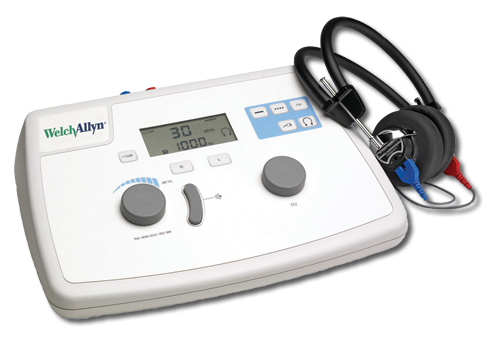
Sensory aids serve as vital tools in enhancing the lives of individuals who have difficulties with their sight, hearing, touch, taste, and smell. These assistive devices are designed to help improve the overall quality of life for those suffering from sensory-related impairments and enabling them to achieve greater levels of independence. In this article, we will take a comprehensive look at the different types of sensory aids available today and provide an introduction to the main goals and benefits they offer.
Vision Assistance
Those with visual impairments may benefit from a variety of vision assistance aids, which include magnification devices such as glasses, contact lenses, telescopic lenses, or electronic magnifiers. Other useful vision assistance tools include raised line paper, braille-related tools, and speech software to aid in reading and navigating the world around them. Additionally, individuals can make use of audio devices that verbally describe their surroundings. These tools are valuable in helping people with visual impairments to navigate their environment, communicate more effectively, and access information.
Hearing Aids
For individuals who suffer from hearing impairments, two main types of hearing aids exist — in-the-ear devices and behind-the-ear devices. Modern hearing aids are discreet, more powerful, and use advanced technology to help users adjust to their surroundings. Among these technologies include features such as noise reduction, directional microphones, and programmable settings that can be tailored to individual requirements. Hearing aids have improved significantly in recent years and are now available in various styles, sizes, and functionalities.
Touch Sensation Devices
Sensory aids for individuals with touch-related impairments serve to enhance tactile sensation and include devices that can help users navigate their surroundings or sense subtle touch or vibration. Some examples of these devices are prosthetic limbs with advanced sensory feedback systems and wearable tools that help those with spinal cord injuries feel touch sensations again. These aids can assist individuals in moving around their environment safely, managing their own personal care, and performing tasks that require strength or dexterity.
Smell and Taste Sensation Devices
Though less common, sensory aids are also available for people with smell and taste impairments. These aids work to enhance the perception of taste and smell or lessens the impact of unpleasant odors. Devices like tongue stimulators, used to simulate taste sensations, and electronic odor detectors help users who rely on smell and taste for food selection, safety awareness, and identification purposes.
Each of these sensory aids serves as a valuable resource for improving an individual’s quality of life by increasing their independence and providing them with better opportunities to interact with their environment and the people around them. Future advancements in technology, product design, and evolving needs will likely result in even greater strides in providing effective sensory aids to those who require them.
By understanding the different types of sensory aids, their benefits, and how they can be employed in various situations, we can ensure that people with sensory impairments receive the proper support they need to lead successful and fulfilling lives.
Individuals with hearing impairments often require more than just hearing devices for effective communication and sensory assistance. Multiple sensory challenges may contribute to this need, including:
Sensory aids beyond hearing devices are designed to help those facing these challenges by providing additional support and enhancing communication accessibility. Some of the benefits of sensory aids beyond hearing devices include:
In conclusion, it’s important to recognize and address the need for sensory aids beyond hearing devices for individuals with hearing impairments. Offering a variety of aids tailored to the user’s specific needs will pave the way for better communication, improved quality of life, and increased independence.
Individuals with hearing impairments often require aids beyond traditional hearing devices, such as in-the-canal devices, over-the-ear aids, and bone-anchored hearing aids. This section will explore these different alternatives and their associated benefits and drawbacks.
In-the-canal (ITC) devices consist of a small plastic case that is inserted directly into the ear canal, making them less visible than other types of hearing aids. However, these devices can be uncomfortable for some individuals, as the plastic can rub against the delicate skin inside the ear canal. Additionally, because these devices are inserted directly into the ear canal, they can also make it difficult to hear other sounds.
Over-the-ear (OTE) aids fit behind the ear and are connected by a wire to a small earpiece that is worn in the ear canal. These devices are often more comfortable than in-the-canal devices, as they do not come into contact with the inside of the ear. However, their size and visibility can make them less appealing to some individuals.
Bone-anchored hearing aids (BAHA) are surgically implanted devices that convert sound waves into vibrations that are transferred directly to the inner ear through the bone. These devices are highly effective for individuals with a wide range of hearing losses, and have a high degree of comfort for the wearer. However, the surgical procedure required for implantation of the device can be costly and carries some risks.
When choosing the right hearing aid for an individual’s specific needs, factors to consider include comfort, hearing loss level, visibility, and costs. It is also recommended that individuals consult with a hearing healthcare professional to determine the best aid for their individual needs.
Cochlear implants are advanced devices designed to provide a sense of sound to individuals with severe or profound hearing loss. This section delves into the benefits, risks, and effectiveness of cochlear implants for those with profound hearing impairments.
Cochlear implants are small electronic devices that function by bypassing damaged parts of the inner ear. Unlike hearing aids, which amplify sound, cochlear implants directly stimulate the auditory nerve, providing a more direct route of hearing sensation. These devices are composed of two main components:
Despite their benefits, cochlear implants are not without risks and potential complications. Some factors to consider before choosing a cochlear implant include:
Cochlear implants offer long-term benefits and potential drawbacks, which should be carefully weighed by the individual and their healthcare team. Some pros and cons to consider include:
| Pros | Cons |
|---|---|
| Improved Auditory Perception: Enhanced ability to detect and process sounds in everyday environments, including speech and environmental cues. | Invasive Procedure: Surgical implants carry inherent risks and potential for complications. |
| Customized Operation: Devices can be programmed and adjusted to individual hearing preferences and needs. | Limited Benefits: Cochlear implants may not be beneficial for all individuals with profound hearing loss, and results may vary. |
| Reduced Dependence on Sign Language: Language barriers can be lessened through improved hearing capabilities, facilitating communication with hearing individuals. | Limited Insurance Coverage: Not all insurance plans may provide adequate coverage for these devices, creating financial barriers for some patients. |
| Long-lasting Results: Cochlear implants can provide years of reliable hearing assistance, reducing the need for frequent upgrades or adjustments. | Tangible Maintenance: Regular check-ups, adjustments, and potential repair services require ongoing attention and care. |
As with any sensory assistance device, it’s important for individuals with severe hearing impairments to consider their specific needs, limitations, and preferences when determining if a cochlear implant is the right solution for them. By weighing the benefits against the potential drawbacks, both short-term and long-term, individuals can make informed decisions about the best approach to manage their hearing impairment.
For individuals with hearing impairments, visual aids play a critical role in their daily communication and overall well-being. These aids provide alternative ways to receive and process auditory information, making visual aids vital components of comprehensive hearing solutions.
One popular visual aid is captioned telephones for individuals with hearing impairment. Captioned telephones transcribe spoken words into text in real-time, enabling users to read conversation text while simultaneously listening to the other party. Various models are available with different features, providing flexibility and convenience for users with different preferences and needs.
Hiring a sign language interpreter or using video relay services (VRS) represent essential visual aids for many individuals with hearing impairments. Such services allow communication through a sign language interpreter, who translates between spoken English and American Sign Language (ASL). Both on-site and remote video-call-based interpreters can greatly facilitate effective communication in various situations, including public events, work meetings, and educational settings.
Modern technology offers several speech-to-text apps and portable devices with speech recognition capabilities, which can be beneficial for individuals with hearing impairments. These tools convert spoken words into text, allowing users to read along with ongoing conversations or lectures. Some devices and apps can even integrate with other devices, providing real-time closed captions during media consumption or phone calls.
To complement auditory aids, some hearing aid manufacturers also produce assistive listening devices with visual components, such as hearing aids with an alerting system that notifies users of important sounds, like doorbells or alarms, through a flashing light or vibration. This integration of auditory and visual aids ensures a comprehensive solution for hearing impairment.
Assistive technology has made significant strides in the development of sensory aids for individuals with hearing impairment, empowering them to overcome communication barriers and live more independently. This section will explore various types of assistive technologies, discuss their benefits and drawbacks, and provide insights on choosing the appropriate technology to meet specific needs.
Wearable devices such as personal amplifiers, FM systems, and hearing protection are beneficial for individuals with a range of hearing impairment levels. They can be designed for daily use, during noisy environments, or for specific activities like swimming or gardening.
Mobile apps offer a convenient and versatile solution for individuals with hearing impairment. They can be utilized for amplifying sound, streamlining live-captioning conversations, and as a form of remote control for hearing aids and cochlear implants.
As mentioned in section 4, cochlear implants are an advanced form of sensory assistance for individuals with severe or profound hearing loss. While the surgery, recovery period, and potential complications are downsides, long-term benefits and effectiveness are immense.
“Cochlear implants have revolutionized the lives of many profoundly deaf individuals, enabling them to hear and understand spoken language even in noisy environments,” says Dr. Thomas Smith, audiologist at the American Speech-Language-Hearing Association. (ASLHA)
Choosing the appropriate assistive technology can be complicated, as there is no ‘one-size-fits-all’ solution.
It is essential to take into account factors such as the individual’s particular hearing loss, lifestyle, budget, and personal preferences. Consulting with an audiologist and exploring different options can help in determining the best solution for each individual’s needs.
In conclusion, the advancements in assistive technology have greatly expanded the options for individuals with hearing impairment seeking sensory assistance. By understanding the available tools and considering individual needs, one can choose the most suitable sensory aid, helping to improve communication and quality of life.
As technology continues to evolve at a rapid pace, it is essential to consider the potential advancements in sensory aids that could significantly improve the lives of individuals with hearing impairments. In this section, we will look at the future scope of sensory aids, covering emerging technological developments, evolving user requirements, and the actions that can be taken by individuals, healthcare providers, and policymakers to make sure that effective sensory assistance is available and accessible for those in need.
Advancements in artificial intelligence (AI) and machine learning (ML) have the potential to make a significant impact on the future of sensory aids. AI algorithms could be used to analyze a person’s specific needs and adjust their sensory assistance automatically, allowing them to receive optimal support at all times.
The Internet of Things (IoT) can also transform sensory aids by integrating them with other devices and services to provide a more cohesive and efficient solution for individuals with hearing impairments. For example, IoT-enabled hearing aids could communicate directly with home appliances or smart speakers to automatically adjust volume or change settings depending on an individual’s location or activity.
Wearable technology has already started making an impact on the sensory aid landscape, and it is likely to become even more prevalent in the future. New innovations in smart clothing, augmented reality glasses, and other wearable devices could provide additional avenues for sensory assistance that can cater to specific user needs.
The hearing impaired population consists of individuals with varying levels of impairment and unique needs. In order to cater to this diverse group, the future of sensory aids should focus on personalization, offering targeted solutions for each individual’s hearing issues. This would require continued advancements in technology and a better understanding of how to tailor sensory aids for different user requirements effectively.
Greater emphasis should also be placed on educating individuals about the various sensory aids available to them and their potential benefits. Increasing awareness and breaking down the stigma attached to hearing impairments can go a long way in ensuring that those in need can access and utilize the sensory assistance that is right for them.
For policymakers, it is crucial to ensure that the necessary funding, regulations, and infrastructure are in place to support the development and distribution of sensory aids. This includes providing financial support for R&D, making sure that insurance covers the cost of sensory aids, and ensuring that products comply with safety and quality standards.
Healthcare providers need to stay informed about the latest advancements in sensory aid technology and be sensitive to the unique needs and challenges faced by individuals with hearing impairments. By offering personalized advice and support, healthcare professionals can play a key role in empowering individuals to make informed decisions about the sensory assistance that best suits them.
Individuals with hearing impairments should prioritize their understanding of the available options and actively seek out the sensory aids that provide the most significant benefits. This would involve staying informed about the latest technological advancements, consulting with healthcare professionals, and participating in support groups and communities that can offer valuable insights and experiences.
In conclusion, the future of sensory aids holds significant potential for improving the lives of people with hearing impairments. By staying informed, embracing technological advancements, and working together, we can ensure that individuals with hearing impairments can access the best possible sensory assistance in the years to come.
Category: Audiology
© 2026 www.audresources.org. All rights reserved.