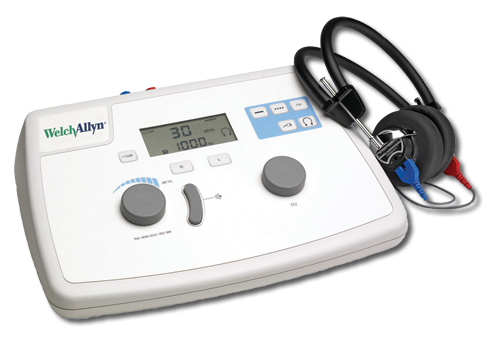
Audiological health refers to the state of an individual’s hearing and balance system, which plays a crucial role in daily life. It involves the ability to hear sounds at different frequencies, as well as to maintain equilibrium and orientation in space. Maintaining good audiological health is essential for an individual’s overall well-being, communication abilities, and quality of life.
Hearing loss, which is a decline in the ability to perceive sounds, can have profound effects on a person’s ability to communicate effectively with others. Communication difficulties can lead to social isolation, psychological distress, and reduced overall quality of life. Early detection of hearing loss is vital to mitigate these negative effects by providing timely and appropriate treatment, preventing further decline, and improving communication and relationships.
Several risk factors contribute to the development of hearing loss. Age-related hearing loss, also known as presbycusis, is common among older adults and results from the natural aging process. Noise-induced hearing loss occurs when individuals are exposed to loud noises over an extended period. Genetics and family history can also play a significant role in an individual’s susceptibility to hearing loss. Exposure to ototoxic medications and chemicals, as well as chronic illnesses and conditions such as diabetes and cardiovascular diseases, can also lead to hearing loss.
Individuals experiencing hearing loss may have difficulties understanding speech, especially in noisy environments. They may frequently ask others to repeat themselves, have trouble hearing on the telephone, or feel like they need to turn up the volume on electronic devices like televisions and radios. Tinnitus, a ringing or buzzing sensation in the ears, is another common symptom of hearing loss.
Regular audiological evaluations are a critical component of maintaining good audiological health. These assessments help to identify any issues with an individual’s hearing or balance system and can also be used to monitor changes over time. Different types of audiological tests can be performed, including pure-tone testing, speech testing, and tympanometry, depending on the specific needs of the individual. The recommended frequency of testing varies and is often based on factors such as age, exposure to noise, and family history of hearing loss. At-risk populations, such as older adults, should be particularly diligent in undergoing routine audiological screenings.
To promote early detection and intervention of hearing loss, it is essential to implement prevention measures such as protecting one’s ears from excessive noise exposure. Monitoring risk factors and symptoms closely, as well as regular follow-up with healthcare providers, can help to identify hearing loss early on when treatment options are most effective. Individuals experiencing hearing loss may benefit from the use of assistive listening devices and hearing aids, which can be tailored to meet their specific needs.
Education and awareness campaigns are an essential component of promoting good audiological health. Outreach programs can help to disseminate essential information to the public about the importance of hearing health and the risks associated with hearing loss. Promoting healthy hearing habits, such as ear protection and safe listening practices, is also a key factor in maintaining good audiological health. Encouraging individuals to seek early detection and treatment for hearing loss can have a significant positive impact on their quality of life and overall well-being.
Early detection of hearing loss is crucial for several reasons. By identifying and addressing hearing issues early on, individuals can greatly improve their communication skills, relationships, and overall well-being. Here, we discuss the various benefits associated with early detection, including timely treatment, prevention of further hearing loss, and improved communication.
One of the key benefits of early detection is that individuals are able to access timely and appropriate treatment for their hearing loss. The earlier hearing loss is identified and treated, the more likely it is that the individual will experience significant improvements in their hearing and overall quality of life. If left untreated, hearing loss can worsen over time, making it more difficult to manage and treat effectively.
Early detection can also help prevent further hearing loss from occurring. Once the underlying cause of the hearing loss is identified, healthcare professionals can work to address and manage the issue, potentially preventing further decline in hearing abilities. This may involve the use of medication, hearing aids, or other forms of intervention, depending on the individual’s specific needs.
Communication plays a vital role in our personal and professional lives, and hearing is an essential part of this process. By identifying and addressing hearing issues early on, individuals can maintain and improve their communication skills and relationships with others. This can lead to reduced feelings of isolation, improved mental health, and overall better social connections.
Hearing loss can lead to a range of complications and secondary disorders if left untreated. These can include cognitive decline, social isolation, depression, and even an increased risk of falling. By identifying hearing loss early on, individuals can reduce their risk of developing these complications and secondary disorders, leading to improved overall health and well-being.
In conclusion, early detection of hearing loss is essential for a range of reasons. By accessing timely and appropriate treatment, individuals can prevent further hearing loss, improve communication and relationships, and reduce their risk of developing complications and secondary disorders.
Several factors can contribute to hearing loss, some of which are unavoidable, while others can be mitigated with proper prevention strategies.
One of the most common causes of hearing loss is aging. As you get older, the structures and nerve cells within the ear that are responsible for detecting sound vibrations can deteriorate, leading to a decline in hearing. This is known as presbycusis.
Exposure to loud noises, whether from a one-time explosive sound or continuous noise over time, can damage the delicate sensory hair cells in the cochlea that are essential for hearing. Once these cells are damaged, they cannot regenerate, leading to permanent hearing loss.
| Noise Source | Recommended Duration |
|---|---|
| Subway | 90 dB – 15 minutes |
| MP3 Player Maximum Volume | 100 dB – 14 minutes |
| Lawn Mower | 90 dB – 2 hours |
| Rock Concert | 110 dB – 2 minutes |
Heredity can play a role in hearing loss. Individuals who have a family history of hearing loss may be more likely to experience hearing problems. Certain genetic mutations can affect the structures of the inner ear and cause various forms of hearing loss.
Some medications and chemicals can be toxic to the auditory system, known as ototoxic substances. These can cause temporary or permanent hearing loss depending on the dosage and length of exposure. It is important to inform your healthcare provider about your auditory health history before starting a new medication.
American Speech-Language-Hearing Association: Some people are more sensitive to ototoxic medications than others. Factors such as age, overall health condition, and genetic susceptibility can influence the impact of ototoxicity.
Some chronic diseases and health conditions can also lead to hearing loss. These include diabetes, heart disease, high blood pressure, meniere’s disease, and stroke, among others. Maintaining overall health through proper diet, exercise, and medical management can help prevent hearing loss associated with these conditions.
Hearing loss can manifest in various ways and may not always be immediately apparent. Recognizing the signs of hearing impairment is crucial for early detection and intervention, as it can significantly impact one’s quality of life. Here are some common symptoms and indications of hearing loss:
One of the earliest signs of hearing loss is the struggle to comprehend speech, especially in the presence of background noise or when multiple people are speaking simultaneously. This can lead to frustration and communication difficulties in social situations.
If you find yourself or someone you know constantly requesting that others repeat themselves or speak up, it could be a sign of hearing impairment. This is because the affected individual might not be able to hear or understand speech clearly.
Individuals with hearing loss often experience more challenges in environments with a lot of background noise. This is because ambient noise can interfere with the ability to discern speech, making it harder to follow conversations.
If you need to increase the volume on your television, radio, or other electronic devices to levels that are uncomfortably loud for others, it could indicate a decrease in hearing sensitivity. Be mindful of how the volume has changed over time, as gradual increases may be an early indicator of hearing loss.
Tinnitus is a common symptom associated with hearing loss. It is characterized by a persistent ringing, buzzing, hissing, or whistling sound in the ears. This can be intermittent or continuous and can vary in intensity. Tinnitus can be subjective, meaning it is only heard by the individual experiencing it, or objective, where a healthcare provider can also detect the sound.
If you or someone you know exhibits these symptoms, it is essential to seek audiological evaluation promptly. Early detection and intervention can prevent further hearing loss and improve overall communication and quality of life. Remember, hearing loss can affect individuals of all ages, so being aware of these signs and taking action is crucial for maintaining audiological health.
Early detection and intervention are essential in preventing or managing hearing loss. Implementing specific strategies can significantly impact the quality of life for those with hearing impairments. Here are some effective strategies:
Preventing hearing loss starts with understanding the risk factors and taking necessary precautions. Minimize exposure to loud noises, use ear protection in noisy environments, and maintain a healthy lifestyle that includes exercise and a balanced diet.
Regular self-assessment of hearing health is crucial. Individuals should be aware of the risk factors for hearing loss such as age, genetics, noise exposure, ototoxic medications, and chronic illnesses. Recognizing early signs and symptoms of hearing loss, such as difficulty understanding speech, asking for repetition, or struggling to hear in noisy environments, is key to early intervention.
Frequent communication with healthcare providers is vital for managing hearing loss. Regular check-ups allow for ongoing assessments and adjustments to treatment plans, ensuring the best possible outcomes for individuals with hearing impairments.
Assistive listening devices and hearing aids can significantly improve the quality of life for those with hearing loss. These devices can enhance communication, improve relationships, and reduce the risk of complications associated with untreated hearing loss.
Education plays a critical role in promoting audiological health. Outreach programs that inform the public about the importance of hearing health, the early detection of hearing loss, and the availability of treatment options can have a profound impact on individuals’ quality of life. Encouraging people to seek early detection and treatment can lead to better long-term outcomes for their hearing health.
In addition, promoting healthy hearing habits, such as safe listening practices and regular audiological evaluations, is equally important. Public awareness campaigns can provide information on how to protect one’s hearing, signs of hearing loss to watch for, and the benefits of early intervention.
By implementing these strategies for early detection and intervention, we can significantly improve the lives of those with hearing loss and prevent further hearing impairment. Audiological health is a vital component of overall well-being, and taking proactive steps can ensure that everyone has the opportunity to live a life full of the sounds that enrich our daily experiences.
In order to ensure the health and well-being of individuals, it is crucial to emphasize the significance of maintaining good audiological health. Education and awareness campaigns play a vital role in providing relevant information and resources to the public, helping them understand the importance of early detection and intervention of hearing loss.
Outreach programs are essential in promoting good audiological health. These programs target specific populations, such as the elderly, newborns, and individuals with a family history of hearing loss. By disseminating information and raising awareness about the importance of audiological health, outreach programs encourage the public to take proactive measures in maintaining and monitoring their hearing capabilities.
Disseminating accurate and up-to-date information about audiological health is key to fostering a greater understanding of the topic among the public. This can be achieved through various channels, such as social media, community workshops, and public seminars. In addition, partnering with schools, hospitals, and local health organizations can help drive home the message of maintaining good audiological health and seeking early detection and treatment when necessary.
Awareness campaigns should also highlight the importance of practicing healthy hearing habits. This includes protecting your ears from exposure to loud noises, maintaining a healthy diet, and exercising regularly. Encouraging the public to take these steps can lead to reduced instances of hearing loss and an overall improvement in audiological health.
Finally, education and awareness campaigns should emphasize the need for individuals to seek early detection and treatment of hearing loss. This can be done by promoting audiological evaluations and the use of assistive listening devices and hearing aids. By highlighting the benefits of early detection, such as access to timely and appropriate treatment and improved communication and relationships, these campaigns can help to reduce the number of individuals suffering from hearing loss worldwide.
In conclusion, promoting audiological health through education and awareness campaigns is essential in maintaining good overall well-being. By spreading vital information, fostering understanding, and encouraging proactive measures, these campaigns can help individuals lead healthier lives and prevent further instances of hearing loss.
“You’re only given one little spark of madness. You mustn’t lose it.” – Robin Williams
Raising awareness about audiology, particularly on the importance of early detection, and promoting hearing conservation among the general public is paramount to addressing the global hearing health crisis.
Outreach programs play a crucial role in ensuring that hearing health resources are made available to vulnerable populations who may lack access to healthcare. These programs provide individuals with information about potential risk factors for hearing loss and the symptoms they should be aware of, as well as necessary steps they can take to address or prevent hearing health issues.
“Outreach programs help assure that all portions of the population have equal opportunities to learn about prevention, detection and treatment of hearing loss problems,” said Dr. Rebecca L. Mueller, an audiologist at Johns Hopkins University.
One way that outreach programs raise awareness is by sharing information through various communication channels. This includes social media campaigns, public service announcements, and community events, all aimed at educating people about the importance of maintaining good hearing health.
“Educating the public about the importance of proper hearing care can help empower individuals to take control of their hearing health and seek appropriate care when necessary,” stated the Better Hearing Institute, an organization dedicated to educating the public on hearing health.
Healthy hearing habits are important for maintaining good audiological health. Education and awareness campaigns should prioritize the promotion of habits such as:
It is essential that people understand the potentially harmful consequences of poor hearing habits and adopt healthier practices to safeguard their audiology health.
Promoting early intervention and the utilization of assistive devices like listening devices and hearing aids is a crucial aspect of audiological health campaigns. According to the American Speech-Language-Hearing Association, early detection and treatment for hearing loss can significantly improve an individual’s quality of life by reducing the risk of complications and enhancing communication and relationships.
Encouraging people to seek help for their hearing issues can play a pivotal role in reducing the stigma associated with hearing loss and promote healthier communities worldwide.
In conclusion, education and awareness campaigns about audiological health are vital tools that can significantly improve an individual’s overall well-being. By promoting preventive measures, identifying risk factors, and creating an environment where help is available, we can strive towards a future where healthy hearing is achievable for everyone.
Category: Audiology
© 2026 www.audresources.org. All rights reserved.