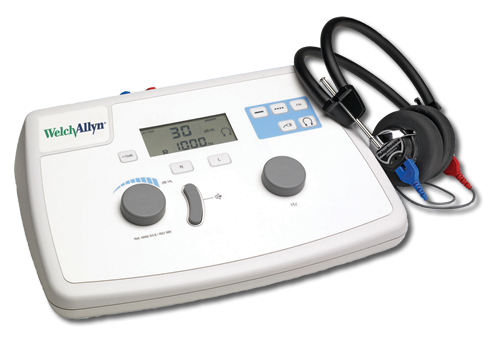
Auditory Processing Disorders (APD) is a group of conditions that can affect a person’s ability to understand and interpret sounds, especially speech, despite having normal hearing. The underlying causes of APD are often complex and may include a combination of genetic, neurological, and environmental factors. While the exact cause of APD can be challenging to determine, research continues to inform our understanding of the neuroscience behind sound processing and its impact on daily functioning.
The Neuroscience of Sound Processing
The process of sound processing begins with the outer ears capturing the vibrations of sound waves, which then travel through the ear canal and cause the eardrum to vibrate. These vibrations are transferred to tiny bones in the middle ear, known as the ossicles, which amplify the vibrations and transmit them to the inner ear. Within the inner ear, sensory cells known as hair cells exist within the cochlea. These hair cells are stimulated by the vibrations, and in response, send electrical signals to the auditory nerve.
The auditory nerve carries these signals to the brainstem, where additional processing occurs before the signals reach the primary auditory cortex and eventually various brain regions involved in sound interpretation and meaning. This complex network of neural connections supports our ability to perceive, interpret, and understand the various sounds and speech we encounter daily.
Impact of APD on Daily Functioning
When the brain struggles to accurately interpret incoming auditory signals, as seen in APD, the effects can manifest in the following ways:
Difficulty understanding speech in noisy environments
Individuals with APD may find it challenging to discern speech or understand conversations when there is background noise or multiple sources of sound. This can lead to misinterpretations, misunderstandings, or difficulty following conversations.
Poor listening skills
People with APD may exhibit inconsistent listening abilities or display difficulty with sustaining attention during auditory tasks, leading to suboptimal performance in learning or social situations.
Difficulty following verbal instructions or directions
Sequencing, prioritizing, and processing multiple auditory instructions become more complex for individuals who struggle with APD, potentially leading to confusion or difficulties in accurately executing task instructions.
Issues with language and reading comprehension
Struggles with auditory processing can lead to difficulties in learning and understanding language, which may manifest as reading challenges or weak reading comprehension skills.
Understanding the neuroscience of sound processing and the impact of APD on daily functioning is the first step in recognizing its challenges and developing comprehensive approaches to assessment, intervention, and support for those affected by these disorders.
Individuals with auditory processing disorders (APD) may display a wide range of symptoms that can affect different aspects of their daily lives. Although some symptoms may be more apparent in certain individuals, others might remain unnoticed, making it challenging for parents, teachers, and medical professionals to identify the presence of APD. Early detection and intervention for APD can greatly impact the quality of life of the affected individual.
One of the most common symptoms of APD is difficulty in understanding speech in noisy environments. Individuals with APD may struggle to filter out background noise and process multiple auditory stimuli simultaneously, leading to challenges in processing the intended message. The severity of this symptom can vary from person to person and can impact social interactions, academic performance, and daily functioning.
Poor listening skills in individuals with auditory processing disorders is another symptom that manifests across various contexts, including home, school, and social gatherings. The inability to focus and pay attention to auditory information may lead to inconsistent comprehension or response to spoken instructions, further impacting academic or professional success. Additionally, poor listening skills can create social hurdles, as the affected individual may struggle to carry out conversations or follow social cues.
Individuals with auditory processing disorders may experience difficulty understanding and following verbal instructions, which can subsequently impact their performance in school, work, or other daily activities. Comprehending complex sentences, identifying essential information, and understanding multi-part instructions may require additional effort for an individual with APD, as their brain struggles to accurately process auditory input.
Auditory processing disorders can induce difficulties in language and reading comprehension, depending on the extent to which the individual’s auditory processing abilities are compromised. Speech perception, word identification, and reading fluency may be affected, leading to challenges in literacy development. This can impact an individual’s overall academic success and their ability to access essential information from written sources.
The symptoms of auditory processing disorders can evolve and vary according to the developmental stage of the individual. For instance, young children may display poor listening habits or speech delays, while older children or adolescents may struggle with academic performance, language comprehension, or difficulties in social situations.
Given the diverse range of symptoms related to auditory processing disorders, it is crucial for parents, teachers, and clinicians to remain vigilant. Recognizing and addressing APD early on can lead to better outcomes for affected individuals. Early intervention and support can minimize the impact of APD on daily functioning, while maximizing each individual’s potential to succeed academically and socially.
Diagnosing Auditory Processing Disorders (APD) can be challenging, as evaluations require multidisciplinary approaches involving audiologists, speech-language pathologists, and educational psychologists. This section will discuss diagnostic tests and assessment tools such as auditory brainstem response (ABR), otoacoustic emissions (OAE), and central auditory tests. The role of comprehensive assessment and potential indicators of APD like speech discrimination, phoneme matching, dichotic listening, and temporal order judgments will also be covered.
Various tests and evaluation tools are used to diagnose APD:
As part of the assessment process, several factors are considered to identify potential indicators of APD, such as:
Achieving a comprehensive assessment is crucial in diagnosing APD, as it helps to provide an accurate diagnosis and facilitate the development of an appropriate intervention plan for the individual.
Academic and behavioral interventions are crucial for improving the quality of life of individuals with Auditory Processing Disorders (APD). The identification of APD enables educators, families, and healthcare professionals to take steps toward maximizing the success of individuals with APD in school and daily life. This section will explore a variety of educational strategies tailored for students with APD, including classroom accommodations, technology support, classroom modifications, explicit instruction, and personalized learning plans.
Classroom accommodations are modifications to the learning environment that can help students with APD better focus on their auditory processing skills. Here are some recommended strategies to optimize a student’s learning environment:
Technology support can play a significant role in enhancing the learning experience of students with APD. The following technology-based tools can be utilized to support auditory processing:
Classroom modifications can support students with APD by transforming the physical space and instructional methods. Some suggestions include:
Explicit instruction is critical for students with APD to introduce and reinforce key concepts, ensuring understanding and application of auditory information. Teachers can incorporate the following techniques:
A personalized learning plan (PLP) is an individualized educational plan that targets the unique needs of an APD student. Key components of an effective PLP for a student with APD include:
By implementing these strategies, educators, families, and healthcare professionals can ensure that individuals with APD have the tools and resources they need to flourish in academic and personal settings. Ongoing evaluation and monitoring of each student’s progress is crucial for continued success and adaptations to the ever-changing challenges that APD may present.
Various therapeutic approaches can be used to help individuals with Auditory Processing Disorder (APD) to improve their auditory processing and communication skills. Implementing these approaches can have a significant impact on the overall quality of life of those affected by APD. Here are some of the main therapeutic approaches that have been found to be beneficial:
Speech and Language Therapists (SLTs) play a crucial role in helping individuals with APD improve their communication skills. They work on enhancing factors like speech clarity, receptive and expressive language, and pragmatic skills (social communication). Goals might include improving the individual’s ability to understand spoken language in different listening environments, increasing their capacity to express their thoughts and feelings, and enhancing their overall communication effectiveness.
Auditory Training Programs are designed to help individuals with APD develop better auditory skills. These programs typically comprise several components, including listening exercises (such as dichotic listening and phoneme discrimination), central auditory processing tasks, and speech in noise tasks. The aim is to develop listening skills, improve speech comprehension, and reduce listening effort, which can ultimately lead to better communication.
Cognitive-Behavioral Therapy (CBT) may be used to help individuals with APD develop better coping strategies to manage their challenges. CBT techniques, such as cognitive restructuring and behavioral activation, can aid individuals in overcoming negative thoughts, feelings, and behaviors that may arise due to their APD. By working on self-awareness, self-regulation, and effective communication, individuals with APD can learn to manage their symptoms more effectively.
Family involvement is essential in the therapeutic process for individuals with APD, as parents and caregivers play a key role in supporting and encouraging the implementation of new skills and strategies. Collaborating with medical professionals, such as audiologists and speech-language therapists, can help caregivers understand the nature of APD and the best approaches to support their loved ones.
When implementing therapeutic interventions for APD, it is important to track progress over time to ensure that the chosen approaches are effective. Periodic assessments and refinements to treatment plans may be necessary to continue to support an individual’s advancement in auditory processing skills and communication. Continuous evaluation and modification of therapeutic interventions can help individuals with APD achieve long-term success in their personal and professional lives.
Despite continuous advancements in understanding auditory processing disorders (APD), the intricacies of this condition, along with its overlap with other neurodevelopmental conditions, demand thorough research for conclusive insights. The following sections discuss the latest trends and future scopes, including advanced diagnostic tools, efficient therapeutic strategies, and understanding the underlying genetic factors and neuroplasticity.
An accurate diagnosis of APD remains challenging due to the diverse and often inconsistent symptomatology. Therefore, diagnostic tools need to be precise and adaptable, taking into account the multi-factorial nature of the condition. Researchers are working on refining diagnostic procedures, using novel technologies such as machine learning and artificial intelligence to better differentiate APD from similar conditions like ADHD or dyslexia.
“The use of machine learning algorithms in assisting with APD diagnosis holds promise as an effective tool for identifying the correct diagnosis and individual therapeutic approaches,” as per a study in the International Journal of Audiology.
Further, there’s scope for incorporating objective biomarkers in APD diagnosis, including endophenotypes, which may offer a more accurate and individualized diagnosis.
Several neuroimaging techniques, including Functional Magnetic Resonance Imaging (fMRI), are being studied to gather data about the neural correlates of APD, aiding diagnosis.
Therapeutic interventions for APD currently include speech and language therapy, auditory training, and cognitive-behavioral strategies. While these strategies are effective, the field is steadily moving towards personalized and targeted interventions, based on individual’s needs and response to therapy.
The role of technology in APD therapy is also gradually gaining prominence. For instance, virtual reality may serve as a useful tool for creating dynamic and adaptive environments for auditory training. Similarly, mobile applications are being developed to provide low-cost, accessible and engaging audio-based therapy to people with APD.
Genetic research in APD is ongoing to unravel the potential hereditary factors contributing to the likelihood of developing the disorder. Understanding the genetic underpinnings of APD can potentially lead to advancements in early detection and personalized interventions.
The field of neuroplasticity also offers exciting scope for research in APD. Research on the brain’s ability to reorganize itself by forming new neural connections in response to training could be pivotal in developing more effective therapeutic strategies.
A comprehensive assessment, taking into account both behavioral and physiological responses, remains crucial in APD management. Integrated intervention strategies that focus on overlapping symptoms while addressing primary and comorbid conditions are also a priority.
Through staying abreast of future research directions and technological advances, the field of APD is poised to refine diagnostics and develop more targeted and personalized interventions, thereby significantly improving the lives of those affected.
Category: Audiology
© 2026 www.audresources.org. All rights reserved.