The impact of hearing loss on mental health cannot be overstated, with communication issues often giving rise to feelings of isolation, depression, frustration, and anxiety. Social withdrawal can exacerbate these concerns, making it crucial to understand the link between hearing loss and mental health and to explore ways to mitigate these effects from the perspective of audiology.
Hearing loss can significantly affect one’s psychological wellbeing, with common consequences including feelings of frustration and depression. A decrease in quality of life can also result from hearing impairment. It’s essential to address these concerns at an early stage to prevent further decline in mental wellbeing. This section aims to explain the ways hearing loss can contribute to mental health concerns and emphasize the importance of early intervention.
Effective communication is vital for mental health, and hearing loss can hinder one’s ability to engage in social interactions. This section will discuss the connection between communication, hearing loss, and mental health, and touch upon the potential consequences of ineffective communication for individuals with hearing loss.
Social isolation is a significant risk factor for the development of mental health issues such as depression, anxiety, and substance abuse. This section will delve into the relationship between hearing loss, social isolation, and increased risk of mental health issues, demonstrating the importance of timely intervention for hearing loss to prevent these concerns.
Early intervention is crucial in addressing mental health concerns resulting from hearing loss. Audiologists play a vital role in detecting hearing loss through audiological evaluations, allowing for appropriate interventions to be implemented promptly. Regular hearing assessments can help identify any changes in hearing ability and monitor the progression of hearing loss. This early detection is essential to prevent potential mental health issues from worsening and to guide individuals in managing their hearing loss effectively.
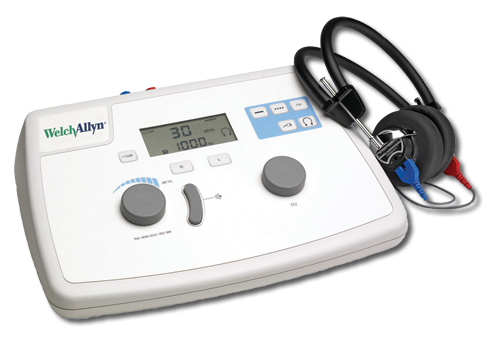
Comprehensive audiology assessments are vital in identifying hearing loss and recommending suitable interventions. These evaluations typically include audiometry tests, which measure the sensitivity to various frequencies and volume levels, and tympanometry, which examines the function of the middle ear. By utilizing these assessment tools, audiologists can accurately diagnose and treat hearing loss, thus supporting mental health.
There are several treatment strategies available for individuals with hearing loss that can help alleviate mental health concerns. Hearing aids, for instance, amplify sounds to improve hearing ability. Cochlear implants, on the other hand, can provide a sense of sound to those with profound hearing loss. Audiologists may also recommend auditory training to help patients adapt to new hearing devices and improve communication skills.
Auditory training involves engaging in listening exercises designed to sharpen focus, improve speech comprehension, and develop strategies to enhance social skills in different listening environments. By exploring these treatment options, audiologists contribute to the overall mental wellbeing of their patients.
Collaborative care between audiologists and mental health professionals is essential when addressing the emotional and psychological aspects of hearing loss. Audiologists should communicate with psychiatrists, psychotherapists, and other mental health practitioners to ensure that individuals with hearing loss receive holistic care for both their physical and mental health needs. Audiologists can play a vital role in this process by raising awareness about the potential mental health consequences of untreated hearing loss and advocating for early intervention.
As the connection between hearing loss and mental health becomes increasingly apparent, it is crucial for audiologists to be mindful of the mental health implications associated with hearing loss and take proactive steps in addressing these concerns in their clinical practice. This awareness will not only foster a better understanding of the patient’s needs but will also enable early intervention, potentially preventing future mental health issues.
Audiologists should routinely conduct mental health assessments for patients with hearing loss. By integrating these assessments into the audiology practice, audiologists can address the link between hearing loss and mental health while providing guidance on appropriate evaluations and resources for patients.
Raising public awareness about the correlation between hearing loss and mental health and advocating for early intervention can lead to improved mental health outcomes for individuals with hearing loss. This includes community engagement, support groups, and educational campaigns, which can provide valuable resources and foster a greater understanding of the issues faced by individuals with hearing loss and their families.
Ongoing research in the field of audiology and mental health is crucial to further understanding the connection between hearing loss and mental health concerns. Future studies may investigate the most effective interventions and strategies for supporting individuals with hearing loss and any additional factors that contribute to their mental wellbeing. This research will continue to inform the practice of audiologists and mental health professionals, enabling them to provide optimal care for patients with hearing loss.
As the connection between hearing loss and mental health becomes increasingly clear, it is crucial for audiologists to be aware of the mental health implications related to hearing loss and to take proactive steps in addressing these concerns in their clinical practice. This section will explore the importance of integrating mental health assessments into audiology, raising awareness and advocacy, and discussing future research in the field of audiology and mental health.
Audiologists should consider regularly evaluating their patients for mental health concerns, particularly those with hearing loss. Integrating mental health assessments into the audiology practice is essential for addressing the relationship between hearing loss and mental health. This can involve:
By incorporating mental health assessments into audiology, audiologists can play a crucial role in identifying and addressing the mental health challenges faced by individuals with hearing loss.
Increasing public awareness about the correlation between hearing loss and mental health and advocating for early intervention will contribute to improving mental health outcomes for individuals with hearing loss. Professionals and community members can work together to support individuals with hearing loss and mental health concerns by:
Awareness and advocacy efforts can help to destigmatize the association between hearing loss and mental health, encouraging more individuals to seek the support they need.
To better understand the relationship between hearing loss and mental health and develop effective interventions, ongoing research in the field of audiology and mental health is essential. Key areas of focus for future research include:
With a better understanding of the connections between audiology and mental health, professionals and the community can work together to provide appropriate support and resources to individuals with hearing loss and mental health concerns.
As experts in hearing health, audiologists play a vital role in identifying and addressing hearing loss, thereby reducing the risk of associated mental health concerns. This section will discuss different aspects of audiologists’ work, including early intervention, comprehensive audiology assessments, treatment strategies for hearing loss, and collaboration with mental health professionals.
Early intervention is key to preventing the exacerbation of mental health concerns stemming from hearing loss. This includes audiological evaluations and preventative measures such as hearing protection and regular hearing checks. Early detection of hearing loss allows patients to engage in proper treatment, further solidifying the connection between hearing loss management and mental wellbeing.
Comprehensive audiology assessments and evaluations play a vital role in identifying hearing loss and recommending the most effective interventions. Audiologists utilize various evaluation methods, such as objective tests (audiometry, tympanometry) and patient-reported measures (Hearing Handicap Inventories, questionnaires). These tests contribute to an accurate diagnosis and effective treatment plan.
Audiologists work with patients to identify appropriate treatment strategies for hearing loss, including hearing aids, cochlear implants, auditory training, and assistive listening devices. Exploring these options helps patients find the best solution to address their hearing loss and ultimately support their mental health.
Audiologists often work in collaboration with mental health professionals to address the mental health concerns associated with hearing loss. Collaborative care approaches provide a comprehensive perspective on patients’ overall health and well-being, bridging the gap between hearing health and mental health.
As the connection between hearing loss and mental health becomes increasingly clear, it is crucial for audiologists to be aware of the mental health implications related to hearing loss and take proactive steps in addressing these concerns in their clinical practice.
Integrating mental health assessments into the routine audiology practice can address the relationship between hearing loss and mental health, allowing for earlier detection and intervention. This includes having audiologists trained on screening patients for potential mental health concerns and referring patients to the appropriate mental health professionals when necessary.
Public awareness about the correlation between hearing loss and mental health is essential. Advocacy efforts, including education and support groups, can contribute to improving mental health outcomes for individuals with hearing loss.
Despite growing awareness of the connection between hearing loss and mental health, further research is needed to fully understand the relationship and develop more effective interventions. Investigating the impact of different treatment strategies on mental health outcomes for hearing loss patients is key to optimizing care and improving overall well-being for those affected by both conditions.
By understanding the connection between audiology and mental health, individuals with hearing loss can receive appropriate support and resources to address and prevent mental health concerns. This comprehensive article delves into the various facets of this connection, providing both a comprehensive understanding of the relationship between hearing loss and mental health and information on potential interventions and resources.
Effective communication between healthcare professionals is essential in providing comprehensive care for individuals facing hearing loss and mental health concerns. Collaboration between audiologists and mental health professionals, such as psychiatrists, psychotherapists, and other mental health practitioners, can significantly improve mental health outcomes for patients. Here’s how this partnership can benefit patients with hearing loss and mental health concerns.
As the link between hearing loss and mental health becomes more apparent, it is crucial for audiologists to acknowledge the mental health implications associated with hearing loss and to take proactive steps in addressing these concerns in their clinical practice.
Audiologists should consider routinely evaluating their patients for mental health concerns, particularly those with hearing loss. When mental health evaluations are routinely incorporated into the audiology practice, it becomes easier to address the relationship between hearing loss and mental health. This is important because early detection and intervention can help in preventing the exacerbation of mental health problems and lead to better treatment outcomes for patients. According to a report by the World Health Organization, “Integration of health services can be a promising strategy to ensure that people with hearing impairment have timely access to the support they need.”
Integrating mental health assessments into the audiology practice involves:
Additionally, audiologists should encourage their patients to discuss their concerns about mental health in a safe and non-judgmental environment. Patients might feel hesitant to share their feelings and concerns about mental health, so audiologists must be sensitive and compassionate in their approach to help patients open up.
Public awareness and advocacy regarding the correlation between hearing loss and mental health, along with promoting early intervention, can have a significant positive impact on the lives of individuals with hearing loss. By raising awareness, we can work together as professionals and community members to support individuals who are struggling with their mental health due to hearing loss.
Some ways to increase public awareness and advocacy for the correlation between hearing loss and mental health include:
By advocating for early intervention, we can encourage people who are experiencing hearing loss to seek help and support sooner, significantly improving their mental well-being. According to the American Speech-Language-Hearing Association, “Early intervention for hearing loss can improve communication outcomes and overall quality of life, with the potential to prevent or lessen psychological and psychosocial consequences.”
As the understanding of the connection between hearing loss and mental health continues to evolve, future research will provide valuable insights into the relationship between these two conditions. This ongoing research is necessary for the development of more effective treatment options and interventions to better support individuals experiencing both hearing loss and mental health concerns.
Some areas of potential future research in audiology and mental health may include:
By understanding the connection between audiology and mental health, professionals, patients, and their loved ones alike can work together to provide and access appropriate support and resources to address and prevent mental health concerns.
As experts in hearing health, audiologists play a crucial role in diagnosing and treating hearing loss, thereby reducing the risk of associated mental health concerns. With the increasing awareness of the connection between hearing loss and mental health, the role of audiologists has become even more important in managing and supporting individuals affected by this intersection of issues.
Early intervention is essential in preventing the exacerbation of mental health concerns related to hearing loss. According to a study conducted by the National Institute on Deafness and Other Communication Disorders, individuals who sought treatment for hearing loss within six months of the onset experienced significantly better mental health outcomes compared to those who waited longer. By identifying hearing loss early and providing resources for intervention, audiologists can greatly contribute to the prevention of further mental health deterioration in their patients.
The first step in addressing hearing loss and its potential impact on mental health is a comprehensive audiological assessment. Audiologists use various evaluation methods to assess hearing loss, such as audiometry tests, tympanometry, and otoacoustic emissions tests. These tests assist the audiologist in pinpointing the specific type and severity of a patient’s hearing loss, enabling them to recommend the most appropriate intervention.
“Audiology is a key element in addressing hearing loss, and, consequently, the mental health concerns associated with it,” says Dr. Philip Rodney, an audiologist at the University of Iowa Hospitals & Clinics.
Once hearing loss is diagnosed, audiologists can offer various treatment strategies tailored to the patient’s specific needs. These interventions often include hearing aids, cochlear implants, and auditory training. Each of these approaches has been shown to improve not only hearing abilities, but also overall mental health outcomes.
Hearing Aids: Hearing aids are the most common intervention for hearing loss. They can make significant improvements in a person’s hearing abilities, thereby facilitating better communication and reducing feelings of isolation.
Cochlear Implants: For individuals with profound hearing loss, cochlear implants can provide a vital solution. These electronic devices can help patients process sounds, leading to a greatly improved quality of life and mental health.
Auditory Training: In addition to hearing aids and cochlear implants, auditory training programs can provide extensive benefits for mental health by improving a patient’s listening skills and cognitive abilities. These programs often include listening exercises, speech discrimination training, and counseling to support patients in their communication and overall mental wellbeing.
By providing various treatment options and tailoring them to each patient’s specific needs, audiologists can effectively support mental health as they address the hearing loss.
Audiologists work closely with mental health professionals to address the mental health concerns that often accompany hearing loss. Through ongoing collaboration with psychiatrists, psychotherapists, and other mental health practitioners, audiologists ensure that their patients receive a holistic, integrated care plan that supports their psychological wellbeing in addition to their hearing health.
In conclusion, audiologists play a critical role in addressing the mental health concerns related to hearing loss. By providing early intervention, comprehensive assessments, and various treatment options, they can effectively support their patients in managing their hearing loss and preventing further mental health deterioration. Furthermore, by collaborating with mental health professionals, audiologists ensure that individuals with hearing loss receive the comprehensive care they need to maintain their overall wellbeing.
Category: Audiology
© 2026 www.audresources.org. All rights reserved.