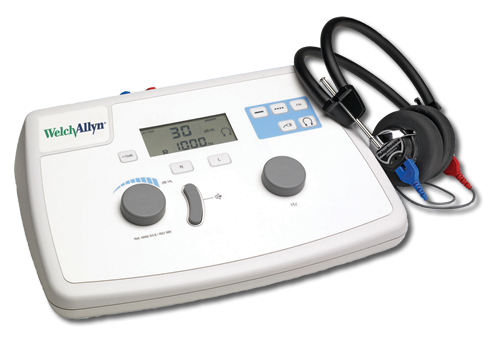
Audiology is a branch of medicine that focuses on diagnosing, managing, and treating hearing loss and balance disorders. It involves the study of hearing, the ear, and related auditory systems, as well as the prevention of hearing loss. Understanding audiology is crucial for individuals experiencing hearing problems, as timely intervention can significantly improve their quality of life.
Types of Hearing Loss
Hearing loss can be broadly categorized into three types:
Importance of Early Detection
Early detection of hearing loss is vital for several reasons:
Understanding these aspects of audiology and hearing loss empowers individuals to take control of their hearing health, seek professional help when necessary, and implement strategies to enhance their quality of life.
An accurate diagnosis is crucial in understanding and managing hearing loss, and audiological evaluations play a significant role in this process. These evaluations are comprehensive assessments that involve a combination of tests, both objective and subjective, designed to identify the type and severity of hearing loss as well as its underlying causes.
A comprehensive hearing assessment typically begins with a review of the patient’s medical history, including any past treatments, surgeries, or medications that could impact hearing. This is followed by a physical examination of the ear to check for blockages, infections, or any structural issues that might be affecting hearing. Next, various tests are conducted to measure the function of the auditory system.
Objective Tests: These tests measure the auditory response objectively, without relying on the patient’s responses. For example, otoacoustic emissions (OAEs) test the function of outer hair cells in the cochlea by measuring the sounds they emit in response to stimuli. Auditory brainstem response (ABR) tests are used to evaluate how the auditory nerve responds to sound by recording the brain’s electrical activity. These tests are particularly useful in cases where a patient is unable to participate in traditional subjective tests, such as infants or individuals with cognitive impairments.
Subjective Tests: These tests rely on the patient’s responses to sounds. The most common subjective test is the pure-tone audiometry test, which determines the softest sounds a person can hear at different frequencies. This test helps to identify the shape of the hearing loss curve and is key to diagnosing the type of hearing loss (conductive, sensorineural, or mixed).
Additional procedures may be performed based on the patient’s needs. These can include speech audiometry to evaluate how well a person can understand speech in quiet and noisy environments, and tympanometry to assess the function of the middle ear and eardrum. Depending on the results of these tests, an audiologist may recommend further imaging studies such as MRI or CT scans to look for any abnormalities or damage within the auditory system.
Regular follow-ups and adjustments to treatment plans are essential as hearing loss can progress over time, and hearing needs can change. Audiological evaluations provide a baseline from which ongoing care and management of hearing loss can be effectively implemented.
Hearing aids and assistive devices are essential tools that help people with hearing loss to improve their auditory experiences and increase their quality of life. In this section, we’ll explore the different aspects of these devices, focusing on their functionality, benefits, customization options, and maintenance.
A hearing aid is a small electronic device that is designed to amplify sounds in order to correct or compensate for a person’s hearing loss. Hearing aids are worn either behind the ear, in the ear canal, or in the case of cochlear implants, actually implanted within the ear canal. They work by collecting sound through a microphone and converting it into electrical signals that travel to an amplifier. The amplifier then increases the power of these signals before sending them to the ear.
Hearing aids come in various types and styles to suit different levels of hearing loss and individual needs. These include:
With advancements in technology, hearing aids have undergone a transition from simple amplification devices to sophisticated and customizable electronic gadgets. Modern hearing aids boast several advantages over their predecessors:
Because everyone’s hearing loss varies, hearing aids can be customized to meet individual needs. This includes:
To keep hearing aids functioning at their best, proper maintenance and care are essential. This includes:
With proper care and maintenance, modern hearing aids offer countless benefits for those coping with hearing loss and can significantly improve their overall quality of life. For more information on hearing aids and resources for those affected by hearing loss, visit the American Speech-Language-Hearing Association or the National Institute on Deafness and Other Communication Disorders.
A cochlear implant is a remarkable device that can provide a sense of sound to individuals with severe to profound hearing loss. By directly stimulating the auditory nerve, it bypasses damaged parts of the ear, unlike hearing aids which amplify sounds. Let’s dive into the details of cochlear implants, starting with eligibility.
Not everyone with hearing loss is a candidate for cochlear implants. Eligibility is determined by several factors, including:
The cochlear implant surgery is typically performed under general anesthesia. It involves several steps:
The journey with a cochlear implant does not end with surgery. Post-surgery rehabilitation is crucial to learning to interpret the electrical signals from the implant as meaningful sounds. This process typically includes:
Cochlear implants can significantly improve the quality of life for those who are deaf or have profound hearing loss. However, it’s important to remember that results can vary and that cochlear implants do not restore natural hearing. They provide a new way to hear and listen, and with time and training, users can experience the world of sound otherwise inaccessible to them.
Tinnitus, commonly known as ringing in the ears, is a condition where individuals perceive sounds without any external source. These sounds can manifest as ringing, buzzing, roaring, hissing, or whistling, and can vary in volume and pitch. Tinnitus affects millions of people worldwide and can have a significant impact on one’s quality of life, causing stress, anxiety, and difficulty concentrating.
Tinnitus can be a symptom of various underlying issues, such as:
While there is no definitive cure for tinnitus, various treatment options can help manage the condition and its symptoms:
Living with tinnitus can be challenging, but several strategies can help improve your daily life:
Remember, managing tinnitus is an ongoing process, and finding the right combination of treatments and strategies can help improve your quality of life. If you’re experiencing tinnitus, consult with an audiologist or healthcare professional to explore your options and develop a personalized treatment plan.
As hearing loss becomes a part of everyday life, it can have a significant impact on an individual’s ability to communicate effectively. Implementing a variety of communication strategies can help improve daily interactions, reduce anxiety, and enhance relationships.
Effective communication strategies can positively impact relationships and overall quality of life. By utilizing these strategies, individuals with hearing loss can engage more deeply in social interactions and foster stronger personal connections.
“Communication is a skill that you can learn. It’s like riding a bicycle or typing. If you’re willing to work at it, you can rapidly improve the quality of every part of your life.” – Brian Tracy
As hearing loss affects communication, coping mechanisms such as patience, empathy, and understanding are essential for fostering healthy relationships and maintaining a positive outlook on life. It is crucial to be patient with yourself and others as you navigate the challenges of hearing loss and learn new communication strategies. Empathy and understanding are also key in helping others adapt and support you in your journey.
While managing hearing loss and its associated challenges, it’s crucial to be proactive about regular check-ups and seek support from specialized professionals and organizations. This will help you stay updated on your condition and understand the possible improvements or changes in your treatment plan.
Regular follow-ups with your audiologist allow for continuous monitoring and adjustments to your care plan. This ensures that any changes in your hearing are promptly addressed, and your hearing aids or cochlear implants are functioning optimally. Monitoring your progress closely can also provide valuable insights into your overall health and well-being, as hearing loss is often linked to other underlying conditions.
For example, individuals with untreated hearing loss may experience discomfort in social situations, leading to emotional distress or isolation. Regular consultations with your audiologist and members of your support team can help prevent these issues, ensuring you continue to engage in meaningful conversations and maintain strong relationships.
Connecting with others who have shared experiences can be incredibly helpful in coping with hearing loss. Support groups provide a sense of belonging and a safe space to share concerns, advice, and encouragement. Attend support groups, either in-person or online, can introduce you to a community of people facing similar challenges, which can significantly improve your emotional well-being and strengthen your ability to manage hearing loss.
Additionally, participating in support groups can help you stay up-to-date on the latest research and treatment options related to hearing loss, and also learn from others’ experiences regarding various types of hearing aids and assistive devices.
There are numerous organizations worldwide dedicated to providing resources, support, and guidance for individuals with hearing loss and their families.
One such organization is the American Speech-Language-Hearing Association (ASHA), which offers a wide range of information and resources for audiologists, patients, and family members. ASHA provides education and advocacy on behalf of people with hearing loss and communication disorders.
Another reputable organization is the Hearing Loss Association of America (HLAA), which is the nation’s leading organization representing people with hearing loss. HLAA empowers its members through information, education, support, and advocacy. They also provide a platform for individuals to share personal experiences and engage with others in the hearing loss community.
It’s essential to take advantage of these resources, which can help you navigate the challenges of living with hearing loss and provide valuable insight and guidance for maintaining a high quality of life.
By valuing regular follow-ups with your healthcare professional and seeking the support of specialized organizations and groups, you can ensure that you stay informed about your condition, successfully manage any challenges related to hearing loss, and continue to enjoy a rich and fulfilling life.
Category: Audiology
© 2026 www.audresources.org. All rights reserved.