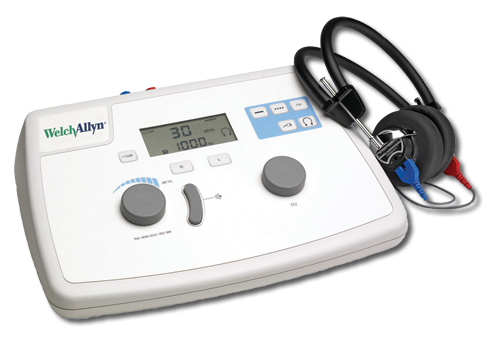
Pediatric audiology is a specialized branch of audiology that focuses on the diagnosis, treatment, and management of hearing disorders in children. This field is crucial because hearing is a vital sense that plays a significant role in a child’s development, including their speech, language, and learning abilities. Early detection and intervention for any hearing issues are paramount to ensuring the best possible outcomes for a child’s future.
The Critical Importance of Early Detection:
A child’s early years are a period of rapid growth and development, with hearing playing a critical role in processing auditory stimuli necessary for learning speech and language. When a hearing impairment is left undetected, it can lead to delays in acquiring these essential skills, which can have long-lasting effects on a child’s educational achievement and social development.
Early detection of hearing issues can be achieved through various screening methods, such as the newborn hearing screening test, which is typically administered in the hospital before the baby goes home. This test can identify potential hearing problems even when an infant appears to be developing normally. Early detection allows for prompt intervention, which is crucial for maximizing a child’s communication and cognitive potential.
The Role of Early Intervention:
Early intervention services are designed to support children who have been diagnosed with hearing impairments. These services can include various therapies, such as speech-language pathology and auditory training, tailored to the child’s needs. Research has consistently shown that early intervention services can significantly improve a child’s ability to develop language, improve academic performance, and enhance overall quality of life.
Families play a crucial role in the success of early intervention programs. Engaging parents and caregivers in their child’s therapy sessions, providing at-home support, and reinforcing communication strategies can greatly contribute to the child’s progress. Furthermore, a supportive family environment can help to build confidence and self-esteem, which are essential for a child’s overall well-being.
Hearing loss and related conditions can significantly affect a child’s development, communication skills, and overall quality of life. Early identification and intervention are crucial, and understanding the different types of hearing issues in children is the first step toward appropriate treatment and management.
Congenital hearing loss refers to hearing impairment that is present at birth. It can be attributed to genetic factors, complications during pregnancy, or a variety of other prenatal and perinatal conditions. The prevalence of congenital hearing loss varies, but it affects about 1 to 3 per 1,000 infants, making it one of the most common birth defects. Prompt diagnosis and intervention with hearing aids, cochlear implants, or auditory verbal therapy can have a profound impact on a child’s language development and educational outcomes.
Otitis media is a condition characterized by inflammation or infection of the middle ear, often involving fluid buildup behind the eardrum. It is particularly common among children, affecting about 75% of children at least once by the time they are three years old. When otitis media causes temporary or permanent hearing loss, it can lead to speech delays, learning difficulties, and behavioral problems. Early detection and appropriate medical management can help prevent long-term complications.
Auditory processing disorders (APD) are characterized by the difficulty to process or interpret sounds, particularly speech, despite having normal structure and function of the ear. Children with APD can experience problems with discriminating between similar sounds, understanding speech in noisy environments, and processing complex language. While not a hearing loss per se, APD can lead to academic struggles and social difficulties without appropriate intervention. This may include specialized listening exercises, classroom accommodations, and speech therapy.
Some children are born with normal hearing but experience hearing loss later in life, a condition known as delayed-onset hearing loss. This can be congenital or acquired, resulting from various factors such as infections, ototoxic medications, head trauma, or genetic mutations. This type of hearing loss can present at any time from infancy to adulthood and may progress gradually or suddenly. Early detection is essential to initiate timely treatment, which can include a range of interventions depending on the cause and degree of the hearing loss.
Early detection and evaluation of hearing issues in children are crucial for timely intervention and improved outcomes. Various screening and evaluation methods are employed to assess and diagnose hearing problems in children. Here, we will discuss some of the most common techniques used in pediatric audiology.
Newborn hearing screening is a simple and quick test that helps identify infants with hearing loss shortly after birth. It is typically conducted before the baby leaves the hospital and involves two primary methods:
If the test results are abnormal, further evaluation is needed to confirm hearing loss.
Behavioral observation audiometry (BOA) is used for infants and young children who are too young to respond verbally or make intentional responses to sounds. It is typically done for children between 6 months and 2 years. The test observes the child’s natural reactions to sounds, such as eye widening, head turning, or changes in body movement.
Conditioned play audiometry (CPA) is used for older children, typically aged 3 to 5 years, who can follow simple directions. It involves play activities that children perform in response to sounds they hear. For example, they may be instructed to place a block in a box or push a button every time they hear a sound.
As mentioned earlier, otoacoustic emissions testing is used in newborn hearing screening. It is also used as a follow-up test for older children as it can provide information about the function of the outer hair cells in the cochlea.
For older children, these tests are typically performed in a sound-treated booth or room to ensure accurate results. The child is fitted with earphones or earpieces, and a probe tip is inserted into their ear canal while they sit with a parent or caregiver.
Identifying and addressing hearing issues in children is crucial to their overall development. There are various management and treatment options available for children with hearing problems. These interventions aim to improve the child’s ability to hear, understand, and communicate effectively.
Hearing aids are one of the most common solutions for children with hearing loss. These devices amplify sound and help the child to hear better. Hearing aids are typically recommended for children with mild to moderate hearing loss.
Cochlear implants are implanted electronic devices that provide a sense of sound for people with severe to profound sensorineural hearing loss. They are considered a viable option for children with profound hearing loss who do not benefit from hearing aids.
Auditory Verbal Therapy (AVT) is a listening and spoken language approach that focuses on developing communication skills in deaf and hearing-impaired children. The goal of this therapy is to help children reach their full auditory potential through listening and spoken language development.
Speech-language pathology is a key component of the management and treatment of children with hearing issues. Speech therapists work to address communication, speech, and language development challenges faced by children with hearing loss.
Early intervention services involving a combination of these management and treatment options play a vital role in supporting the child’s development. Early intervention can lead to better outcomes in terms of language development, educational achievement, and overall quality of life.
In pediatric audiology, family involvement is not just encouraged; it is essential. The family plays a pivotal role in the management and treatment of their child’s hearing issues, and their engagement can significantly impact the child’s progress and overall success in overcoming the challenges associated with hearing loss.
Families are the primary source of support and stability for a child, and their active participation in therapy sessions and at-home reinforcement of communication strategies can make a substantial difference. Here are some ways in which families can contribute to their child’s hearing journey:
When parents, siblings, and other family members attend therapy sessions, they gain a deeper understanding of their child’s needs and the strategies being employed to help them. This firsthand exposure allows family members to:
The home environment is where a child spends a significant amount of time, making it a crucial setting for practice and reinforcement of skills learned in therapy sessions. Family members can:
The reinforcement of communication strategies at home is critical for children with hearing issues. Families can:
In addition to direct involvement in therapy and communication strategies, families play a significant role in advocating for their child’s needs. This can include:
Families also contribute to the development of a positive self-image for their child by:
In conclusion, families are the cornerstone of a child’s success in managing hearing issues. Their involvement, support, and advocacy are indispensable, and with their help, children can overcome the challenges associated with hearing loss and lead fulfilling lives.
For more information on pediatric audiology and how to support your child, consider consulting with a pediatric audiologist or joining a support group for families of children with hearing loss.
For children with hearing loss, it is essential to have access to appropriate educational programs and support systems to ensure they reach their full potential. The following sections outline the various options available for children with hearing loss and their families.
Many children with hearing loss attend mainstream schools with the help of accommodations. These can include:
Some families opt for specialized schools designed for students with hearing loss. These schools often have staff trained in deaf education and may provide the following:
Educational audiologists can play a vital role in supporting children with hearing loss in school settings. They often collaborate with teachers, parents, and other professionals to ensure the following:
Peer support groups and counselors can provide emotional and practical support to children with hearing loss and their families. These resources can help children:
In conclusion, a combination of mainstream education with accommodations, specialized schools, educational audiologists, and peer support groups can create a comprehensive and supportive environment for children with hearing loss. By providing these resources, we can empower children with hearing loss to thrive and achieve their full potential.
In the realm of pediatric audiology, advocacy plays a pivotal role in ensuring that every child with hearing issues receives the care and support they deserve. This includes overcoming challenges such as limited resources and disparities in access to services. Additionally, the field is evolving rapidly, with emerging trends and technologies offering new avenues for diagnosing and treating hearing conditions.
The landscape of pediatric audiology faces several significant challenges:
Advocacy efforts aim to bridge these gaps by:
The future of pediatric audiology is bright, with several emerging trends and technologies offering new possibilities for children with hearing loss:
In conclusion, the field of pediatric audiology is continually evolving, with new technologies and therapy methods emerging to improve the lives of children with hearing loss. Advocacy remains crucial to ensure that all children have access to these advancements, and that families have the support they need to navigate the complexities of hearing loss successfully. By addressing the challenges and embracing the latest trends, we can continue to enhance the care and outcomes for children with hearing issues.
Category: Audiology
© 2026 www.audresources.org. All rights reserved.