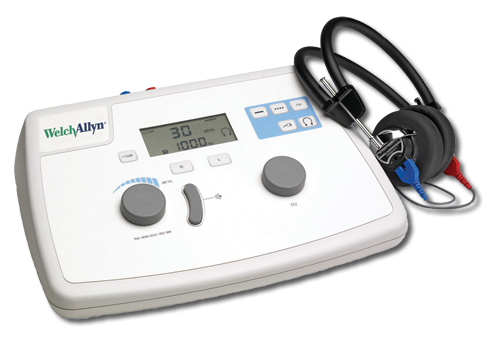
Audiology is a specialized branch of medical science that focuses on the evaluation, diagnosis, and treatment of hearing and balance disorders. Professionals in this field play a vital role in helping individuals with hearing loss, working with them to improve their ability to hear and their overall quality of life.
To be successful in this career, it’s essential to have a comprehensive understanding of the complexities of the human auditory system, which comprises the inner, middle, and outer ear, as well as the central auditory pathways. This knowledge is crucial for diagnosing and treating various hearing-related issues, such as age-related hearing loss, noise-induced hearing loss, and various types of hearing impairments.
In addition to having a strong understanding of the auditory system and hearing problems, audiologists must possess excellent patient care and communication skills to work effectively with clients suffering from hearing difficulties and their families. Emotional support is often a vital part of helping patients cope with their hearing issues, and a compassionate and empathetic approach can significantly improve their experience.
If you’re considering a career in audiology, it’s important to understand the various responsibilities you’ll be taking on as a professional in this field. From conducting comprehensive hearing evaluations to developing and implementing personalized treatment plans, audiologists must be proficient in multiple areas, including, but not limited to, the following:
As an audiologist, you can make a significant difference in people’s lives by helping them reconnect with their loved ones, regain their independence, and maintain their cognitive function as they age. With the increasing prevalence of hearing loss in the aging population and advancements in hearing technology, the demand for skilled audiologists continues to grow. By understanding the various aspects of audiology as a career field, you can embark on a rewarding and fulfilling profession dedicated to helping individuals improve their hearing and overall quality of life.
In the field of audiology, professionals must not only possess in-depth knowledge of the human auditory system, hearing-related issues, and treatment methods, but also be adept at communicating effectively with patients and their families. As an audiologist, a substantial part of your job involves working closely with individuals dealing with hearing difficulties, which makes communication an essential skill to master.
Delivering Diagnosis: One of the crucial responsibilities of an audiologist is explaining diagnoses, treatment options, and recommendations to patients. Ensure that you have a clear and concise verbal delivery, as this facilitates an informed decision-making process for your patients. Active Listening: Actively listen to your patients when they describe their symptoms and concerns, as this may provide critical information for an accurate diagnosis.
As an audiologist, it’s imperative to pay close attention to what your patients are saying and demonstrate an understanding of their needs. With active listening, you are not just listening to the words being said, but also observing the non-verbal cues such as facial expressions and body language. Being an attentive listener helps establish trust and rapport with your patients, allowing for a more effective therapeutic relationship.
Empathy: Patients suffering from hearing loss may experience emotional distress, and showing empathy can help them feel more comfortable discussing their concerns. Empathy, coupled with active listening, creates a supportive environment where patients feel understood and valued, which is crucial for them to adhere to the treatment plan and seek help when needed.
In addition to strong verbal communication skills, successful audiologists must also develop excellent written communication skills. Thoroughly documenting patient evaluations, treatment plans, and progress notes is necessary for both patient care and professional accountability. Written communication should be clear, concise, and easy to understand by both fellow professionals and patients. By honing your written communication skills, you demonstrate a high level of professionalism and commitment to providing the best care possible.
In conclusion, mastering basic communication skills is crucial for a successful career in audiology. This encompasses both verbal and written communication and includes delivering accurate diagnoses, engaging in empathetic listening, and maintaining clear documentation. By continually improving your communication skills, you will not only build a strong rapport with your patients, but also contribute to the overall success of the audiology field.
Embarking on a career in audiology requires a commitment to obtaining a strong educational foundation and professional credentials. A comprehensive education in audiology equips professionals with the knowledge and skills necessary to excel in the field and effectively treat hearing and balance disorders. Due to the specialized nature of audiology, completing a master’s or doctoral degree is typically necessary to practice professionally.
To develop a robust understanding of audiology, individuals interested in the field should consider enrolling in accredited programs that offer degrees in audiology. Most audiology programs combine academic coursework, research, and clinical experiences that equip students with the expertise required for professional practice.
Typically, these programs take about four years to complete. Coursework in audiology degree programs covers topics such as:
In addition to formal education, completing internships and externships provides hands-on experience in clinical settings. These opportunities allow students to apply their academic knowledge and develop practical skills essential for working as an audiologist. Some universities offer internships or externships as part of their programs, while others encourage students to seek these opportunities independently.
Obtaining certification is critical for audiologists to demonstrate their expertise, commitment to ethical practice, and competency in the field. One of the most prominent organizations that certify audiologists is the American Speech-Language-Hearing Association (ASHA). Additionally, audiologists can also be certified by the American Academy of Audiology (AAA). To become certified, professionals must meet specific education and experience requirements and pass a comprehensive examination demonstrating their knowledge and skills in audiology. In addition to ASHA and AAA certification, audiologists may also need to obtain state licensure depending on their jurisdiction.
In conclusion, obtaining a solid education and certification in audiology is vital for a successful career in this specialized field. Through a combination of formal academic training, internships, and certification, aspiring audiologists can develop the knowledge, skills, and expertise needed to excel in their chosen profession.
In addition to formal education and certification, it is essential for aspiring audiologists to gain hands-on experience in the field. This can be accomplished through internships, externships, or entry-level positions in audiology clinics, hospitals, or private practices.
Gaining experience through these avenues allows individuals to build a professional network and make connections with experienced audiologists who can provide mentorship and support.
| Type of Experience | Location of Experience | Benefits |
|---|---|---|
| Internships and Externships | Audiology clinics, hospitals, or private practices |
|
| Entry-Level Positions | Audiology clinics, hospitals, or private practices |
|
Hands-on experience is vital to success in the field of audiology, as it helps aspiring professionals develop practical skills, build a supportive network and establish a solid foundation for their careers.
Depending on a particular area of interest, audiologists may specialize in various areas such as pediatric audiology, vestibular assessment, or cochlear implant programming. Specialized training provides a competitive advantage in the job market and may lead to opportunities in niche areas or advanced career opportunities.
| Specialty | Description |
|---|---|
| Pediatric Audiology | Focusing on the identification, assessment, and treatment of hearing disorders in children, including the use of hearing aids, cochlear implants, and auditory training programs. |
| Vestibular Assessment | Dealing with the evaluation and management of disorders affecting the vestibular system, which plays a crucial role in balance, coordination, and orientation. |
| Cochlear Implant Programming | Handling the programming and adjustment of cochlear implants, which are electronic devices that help individuals with severe hearing loss or deafness perceive sounds and speech. |
Establishing connections with fellow audiologists, audiology professionals, and experts in the field is essential for career growth, collaboration, research, and staying informed about the latest breakthroughs and industry trends. Here, we will discuss three main components to building a successful professional network in audiology.
Professional organizations, such as the American Speech-Language-Hearing Association (ASHA) and the American Academy of Audiology (AAA), are a great resource for connecting with other professionals, accessing continuing education opportunities, and advocating for the audiology field. These organizations usually have member directories, forums, and annual meetings, which are excellent ways to forge connections with other audiologists and professionals in related fields.
Participating in audiology conferences, workshops, and seminars allows professionals to learn from leading experts, collaborate with peers, and gain knowledge about recent developments in the field. Attending presentations, panel discussions, and poster sessions can introduce you to fresh ideas and cutting-edge research, which can prove beneficial for your practice, research endeavors, and personal career growth. Conferences, workshops, and seminars also provide networking opportunities, making connections with experienced professionals who can provide mentorship and professional advice.
“Conferences provide an excellent opportunity for audiologists to engage with industry leaders, share knowledge and experiences, and elevate their practice.” – quotes from top experts in the field.
In our digital age, it is essential to build an online presence that allows you to connect with other professionals, showcase your expertise, and reach out to potential clients. Establishing a professional website, engaging in social media platforms, and contributing to audiology forums or blogs can be an effective way to connect with fellow audiologists and share valuable information.
“Your online presence can help attest your commitment and expertise to the field of audiology.” – online presence tips.
In summary, building a professional network is crucial for audiology professionals in several aspects, such as acquiring knowledge, staying updated with the latest trends, career advancement opportunities, and fostering mentorship. By joining professional organizations, attending relevant conferences, workshops, and seminars; and establishing an online presence, you will be well on your way to developing a successful career in audiology.
To navigate the audiologist job market efficiently and build a successful career in audiology, it’s crucial to stay informed about industry trends and opportunities, maintain strong networking, and have a polished professional presence. Here are some tips to achieving these goals:
By staying informed and making connections, audiologists can learn about and engage with the latest research, advancements, and industry shifts. Attend conferences such as the American Speech-Language-Hearing Association (ASHA) Convention or the American Academy of Audiology (AAA) Conference, where leading experts share their findings and insights. Engaging in professional organizations also allows you to access the latest literature, continuing education courses, and updates on job opportunities (ASHA, n.d.; AAA, n.d.). Consistent participation in webinars and seminars may offer additional insights and opportunities to build connections in the field.
“The importance of networking cannot be overstated, as it allows for open discussions, collaborative partnerships, and ultimately increased career growth.”
Networking is essential for career growth and support in the field of audiology (ProRehab Audiology, n.d.). Consider joining LinkedIn groups related to audiology, such as the American Academy of Audiology, Audiology Student Association, and National Hearing Conservation Association. By engaging with fellow professionals through these online platforms, you can stay informed on job openings, learn about advancements within the industry, and find potential mentors for guidance.
Having a polished professional resume and cover letter is an essential part of the job application process and securing interviews. Your LinkedIn profile and any other professional social media accounts should also reflect your qualifications and expertise. Include a professional headshot, showcase your education and certifications, list any specialized skills you’ve acquired, and mention notable positions or internships you have held during your career development. Be sure to update your skills and experience section regularly to reflect any advancements or changes to your career path.
As an audiologist, considering future career opportunities and transition possibilities to related fields is vital. You may wish to explore research opportunities, advanced academic pursuits, or transition into healthcare administration or audiology education. Staying active in professional organizations and participating in conferences and workshops can open the doors to these opportunities.
In conclusion, navigating the audiologist job market and achieving career advancement requires staying informed about industry trends and opportunities, fostering networking connections, and maintaining a strong professional image. By utilizing these strategies, audiologists can effectively plan for a long-lasting and fulfilling career in audiology.
Category: Audiology
© 2026 www.audresources.org. All rights reserved.