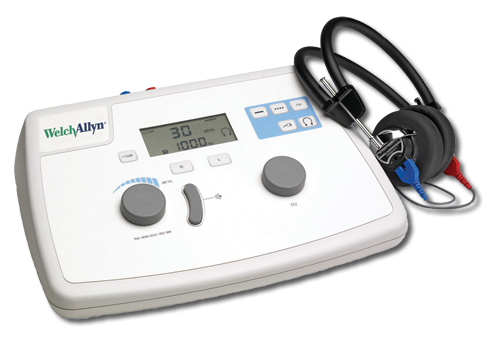
An audiologist is a healthcare professional specializing in diagnosing, treating, and managing hearing and balance disorders. They play a critical role in the healthcare system by improving the quality of life for individuals with hearing problems. Audiologists work collaboratively with other medical professionals to provide comprehensive care to patients with hearing impairments.
Key Responsibilities of Audiologists
Audiologists have a wide range of responsibilities, including evaluating a patient’s hearing abilities, diagnosing hearing disorders, and providing appropriate treatment options. They also design and implement plans to prevent hearing loss and give counseling to individuals and their families on managing hearing loss. In addition, audiologists can fit and adjust hearing aids and cochlear implants and make recommendations for communication strategies, amplified devices, and assistive listening systems.
The Importance of Audiologists in Healthcare
Audiologists not only help patients with hearing loss but also contribute to the overall healthcare system by reducing the impact of hearing loss on communication, education, and employment. They work to prevent, diagnose, treat, and rehabilitate people with various hearing disorders and balance problems, enabling them to lead healthier, more productive lives. With their expertise, audiologists can make a significant difference in the well-being of patients suffering from hearing impairments.
Audiologists: A Key Part of an Interdisciplinary Team
Audiologists often work as part of a team with other medical professionals to provide a more comprehensive approach to managing hearing impairments. They collaborate with doctors, speech-language pathologists, and otolaryngologists to identify causes, management strategies, and appropriate treatment options for patients with hearing disorders. This collaborative approach ensures that all aspects of a patient’s care are addressed, resulting in the most effective treatment plan.
In summary, audiologists play a vital role in the healthcare system by helping to diagnose and manage hearing disorders and working with other medical professionals to improve patients’ quality of life. Their expertise is invaluable in providing comprehensive care for those dealing with hearing impairments.
Diagnosing hearing disorders begins with a comprehensive assessment that includes several crucial steps. Audiologists, as hearing healthcare professionals, play a vital role in this process, working closely with patients to understand their symptoms and medical history.
Patient History: The first step often involves obtaining a detailed history, which includes questions about the patient’s past and present hearing health, auditory symptoms, occupational noise exposure, and any medications that might affect hearing. This information provides valuable insight into the possible causes of hearing loss and guides the audiologist in selecting appropriate diagnostic tests.
Physical Examination: A physical examination of the ears may be conducted using an instrument called an otoscope. This allows the audiologist to examine the external ear and ear canal, as well as the eardrum, to check for any abnormalities or blockages that may be contributing to hearing loss.
Symptom Assessment: Patients are also asked about their daily experiences with hearing, such as difficulties in understanding speech, the ability to hear in noisy environments, and whether certain sounds are muffled or distorted. This helps the audiologist determine the severity and type of hearing loss.
Audiologists use a variety of tests and procedures to assess hearing:
Advances in technology have significantly enhanced the audiologist’s ability to diagnose hearing disorders. Modern audiology equipment, such as digital audiometers and computerized diagnostic software, allow for precise measurements and detailed analysis of hearing function. These tools are essential for accurately diagnosing even the most subtle hearing abnormalities and tailoring treatment plans accordingly.
By combining thorough examinations, specialized tests, and advanced technology, audiologists are able to diagnose a wide range of hearing disorders and provide patients with the information and care they need to address their hearing loss effectively.
Hearing disorders can be classified into several types, each with its own unique causes and characteristics. Understanding the different types of hearing loss is essential for audiologists to provide appropriate diagnosis and treatment. Below are the primary types of hearing disorders:
Sensorineural hearing loss (SNHL) is the most common type of permanent hearing loss. It occurs when there is damage to the inner ear structures, specifically the hair cells in the cochlea or the auditory nerve. Some common causes of SNHL include:
Signs of sensorineural hearing loss include difficulty understanding speech, especially in noisy environments, tinnitus, and a sensation of fullness in the ear.
Conductive hearing loss involves a problem with the outer or middle ear, which prevents sound waves from reaching the inner ear effectively. This type of hearing loss is often temporary and can be treated medically or surgically. Causes of conductive hearing loss include:
Patients with conductive hearing loss may experience muffled hearing or hear their own voice as unusually loud, due to the inability of sound waves to pass through the outer or middle ear.
Mixed hearing loss occurs when there is a combination of both sensorineural and conductive hearing loss. This means that there is damage in the outer or middle ear and also in the inner ear or auditory nerve. Mixed hearing loss can be caused by:
In some cases, improving the conductive component of the hearing loss with medical or surgical intervention can make a significant difference in overall hearing ability, even if the sensorineural loss remains unchanged.
Presbycusis is a specific type of sensorineural hearing loss that occurs naturally with aging. Over time, the inner ear and auditory nerve can degrade, leading to a decrease in hearing ability. This type of hearing loss usually affects both ears equally and worsens over time.
Noise-induced hearing loss (NIHL) is caused by exposure to excessive noise levels, either from a single, intense impulse or from prolonged exposure to high noise levels over time. This type of hearing loss can be prevented with proper hearing protection and noise exposure management.
Congenital hearing loss is present at birth and can be due to genetic factors or complications during pregnancy, such as infections or birth trauma. This type of hearing loss can be sensorineural, conductive, or mixed.
Audiologists play a critical role in diagnosing the specific type of hearing disorder a patient is experiencing. Through a comprehensive audiological evaluation, they can identify the signs and symptoms, and tailor a treatment plan to suit the individual’s needs. The earlier a hearing disorder is diagnosed and treated, the better the chances of improving a patient’s quality of life.
When it comes to treating hearing disorders, there are several options available, ranging from medical interventions to assistive listening devices. Audiologists play a crucial role in determining the appropriate treatment based on the type and severity of the hearing loss. This section will discuss the various treatments for hearing disorders, including medical interventions and assistive listening devices.
In some cases, hearing loss can be treated through medical interventions such as medications, surgery, or therapies. Depending on the cause and type of hearing loss, an audiologist may refer patients to an ENT (ear, nose, and throat) specialist who can recommend the most suitable treatment option. Some examples of medical interventions include:
Assistive listening devices are designed to help people with mild to moderate hearing loss better communicate and function in everyday situations. These devices include:
The process of fitting and adjusting a hearing aid involves both the audiologist and the patient working together. This generally includes:
By following these steps and with ongoing audiological support, patients can effectively address their hearing loss and improve their overall quality of life.
For individuals suffering from profound hearing loss, cochlear implants can be a life-changing treatment option. Let’s delve into what they are, how they work, and the surgical procedure involved in their implantation, while also touching upon other types of surgical interventions used to treat hearing disorders.
Cochlear implants are sophisticated electronic devices designed to provide a sense of sound to individuals with severe to profound deafness. Unlike hearing aids, which amplify sound for the damaged inner ear, cochlear implants bypass this damaged portion and send electrical signals directly to the auditory nerve.
Cochlear implants consist of an external and an internal component. The external component, worn behind the ear, includes a microphone, speech processor, and transmitter. The internal component, surgically implanted under the skin, has a receiver and an array of electrodes that are delicately inserted into the cochlea.
When sound enters the microphone, the speech processor selects and arranges it into distinct electronic signals. These signals are transferred via the transmitter to the receiver, and from there to the electrodes that stimulate the auditory nerve. The brain interprets these signals as sound, allowing the individual to perceive and understand the environment’s auditory cues.
The surgical process for cochlear implantation is typically performed under general anesthesia and takes several hours. The surgeon will make a small incision behind the ear to access the inner ear. The cochlear is implanted into the bone behind the ear, and the electrode array is carefully inserted into the cochlea without damaging the delicate structures.
Post-surgery, a healing period is required, usually around a month, to ensure the implant site is secure before the device is activated. Activation occurs in the audiologist’s office, where the external speech processor is fitted and programmed to the individual’s specific auditory needs.
The recovery process after cochlear implant surgery is crucial. It involves regular visits to the audiologist to fine-tune the implant settings and to provide auditory training. This training helps the individual learn to interpret the new sounds they are receiving and to understand spoken language. It can take several months to a year for the brain to fully adapt to the new auditory input.
While cochlear implants are the most advanced surgical intervention for profound hearing loss, other surgical procedures exist to address different types of hearing disorders:
Audiologists play a critical role in pre-surgical evaluations and post-surgical follow-up care. They help determine the candidacy for surgical intervention, provide pre-operative counseling, and conduct post-operative assessments to ensure the best possible outcome. They work closely with ENT surgeons to manage the patient’s journey through surgery and beyond.
While surgical interventions can be effective in treating hearing disorders, it’s important to consider all options and ensure that each treatment plan is tailored to the individual’s specific needs. With the help of audiologists and other hearing healthcare professionals, individuals with hearing loss can find a path to improved hearing and quality of life.
Managing hearing disorders involves more than just diagnosing and treating the physical condition. Rehabilitation and counseling play crucial roles in helping individuals adapt to their hearing loss and enhance their overall auditory experience. Audiologists are not just experts in diagnosing and treating hearing issues; they are also trained in providing comprehensive care that includes rehabilitation and counseling.
Rehabilitation for hearing loss includes various interventions aimed at improving a person’s ability to communicate effectively. These interventions can help patients adjust to their new hearing abilities after treatment, including the use of hearing aids or cochlear implants. Rehabilitation efforts may include:
Audiologists play an essential role in the rehabilitation process. They not only fit and adjust hearing aids or cochlear implants but also guide patients through the rehabilitation process. This may involve:
The emotional impact of hearing loss should not be underestimated. It can lead to feelings of isolation, frustration, and even depression. Audiologists are trained to provide counseling to help patients cope with these emotional challenges. Counseling may include:
The goal of counseling in hearing care is to empower patients to take an active role in managing their hearing loss and to improve their overall quality of life. By addressing the emotional and psychological aspects of hearing loss, audiologists can help patients to feel more confident and comfortable in their daily lives.
Proactive measures and early detection play crucial roles in managing hearing disorders and reducing their impact on individuals and society. Understanding the significance of prevention and early intervention is essential in reducing the incidence of hearing disorders and improving outcomes for those affected.
Preventative efforts focus on reducing the risk factors associated with hearing loss. One primary strategy is noise protection, which involves using earplugs or other forms of hearing protection in loud environments, such as concerts or industrial settings. The World Health Organization (WHO) emphasizes the importance of this measure, stating that “exposure to loud noise is the primary cause of preventable hearing loss worldwide” (World Health Organization). Education plays a significant role in promoting hearing health, as it raises awareness about the risks of noise exposure and encourages individuals to take action.
Early intervention is particularly important in children, as hearing is crucial for language and cognitive development. Identifying and addressing hearing issues early on can prevent lifelong communication and learning challenges. The American Speech-Language-Hearing Association (ASHA) stresses the importance of early intervention, stating that “early identification and treatment of hearing loss can significantly improve a child’s language, speech, and cognitive development” (American Speech-Language-Hearing Association).
Category: Audiology
© 2026 www.audresources.org. All rights reserved.