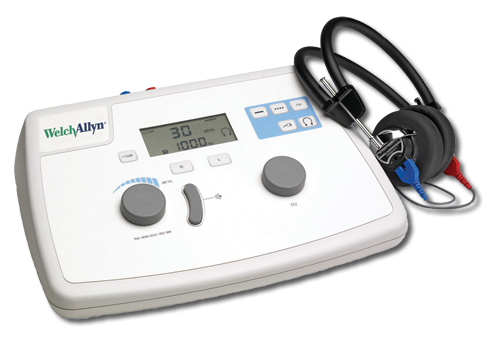
Audiologists play a vital role in healthcare, acting as the primary point of contact for patients experiencing hearing loss or other hearing-related issues. They occupy a unique position in the healthcare system, understanding both audiology and their patient’s needs, which enables them to provide holistic and comprehensive care. The importance of patient advocacy in this context cannot be overstated. Audiologists who champion patient advocacy can significantly improve patient outcomes, giving their patients the best possible quality of life.
Benefits of Effective Audiologist Patient Advocacy
When audiologists understand their role as patient advocates, they can provide better patient care in various ways. Firstly, they focus on listening to and understanding the patient’s needs, concerns, and desires for their own healthcare. By listening actively, the audiologist can provide personalized care that suits the individual’s unique circumstances, leading to better treatment outcomes.
Next, audiologists can use their expertise to offer patients comprehensive education about their hearing health and available treatment options. This empowers the patient to make informed decisions about their hearing healthcare and enhances their understanding of their condition, risk factors, and management strategies.
Impacting Patient Outcomes
Audiologist patient advocacy also has a significant impact on patient outcomes, broadly defined as the patient’s satisfaction, health status, and quality of life. When patients feel supported and understood, they are more likely to trust their audiologist, follow their advice, and comply with their recommended treatments. These factors contribute to improved hearing health and overall well-being.
In conclusion, audiologist patient advocacy is an essential component of comprehensive and effective hearing healthcare. By championing patient advocacy, audiologists can ensure they offer their patients the highest level of care, improving patient outcomes and enhancing overall patient satisfaction.
Audiology care faces unique challenges due to the communication barriers between audiologists and their patients. These barriers typically stem from a lack of understanding about the diverse needs of patients with hearing impairments and the complexities of the audiological treatments available.
The language barrier: One of the most common challenges faced by patients is the difficulty in understanding the professional language of audiologists. The medical jargon and complex terminologies used by audiologists may overwhelm patients, leading to misunderstandings and misinterpretations of their diagnosis and treatment plans.
Poor listening skills: Sometimes, audiologists may not effectively listen to their patients’ concerns, needs, and expectations, which leads to a lack of trust and ineffective communication. In return, patients may hesitate to ask questions or express their opinions about their care, which can lead to suboptimal treatment outcomes.
Unfortunately, many patients receive insufficient education on hearing health and the available treatment options. This lack of information prevents patients from making well-informed decisions about their care and may lead to dissatisfaction with treatment outcomes.
Underlying causes of insufficient education: There are several reasons why patients may not receive comprehensive education on hearing health:
The communication barriers and lack of comprehensive patient education take a toll on the overall patient experience and satisfaction. Patients who feel disconnected from their audiologists and inadequately informed about their hearing health may experience:
Addressing these communication barriers and improving patient education is crucial for bridging the gap between audiologists and their patients, ensuring equitable access to comprehensive and effective care that ultimately improves patient satisfaction and long-term outcomes.
Overcoming the hurdles between audiologists and patients is crucial to delivering optimal care. In this section, we will explore various methods, techniques, and best practices designed to enhance communication, improve education, and establish a focused, personalized approach to audiology care.
Clear and open communication is a cornerstone of successful patient-audiologist relationships. Here are a few strategies to enhance communication:
Knowledge is power, and educating patients about their hearing health can lead to better outcomes. Here are some methods:
A personalized approach that puts the patient at the center of the care plan can greatly improve patient satisfaction. Here’s how to achieve it:
Collaboration and teamwork among various healthcare professionals and patient advocates can lead to more comprehensive care. Audiologists can:
In conclusion, by focusing on improving communication, enhancing patient education, adopting a personalized approach, and fostering collaboration, audiologists can bridge the gap between themselves and their patients, ultimately leading to improved patient outcomes and satisfaction. Good communication and a patient-centered approach form the bedrock of effective audiology care, ensuring that patients receive the support and treatments they need to manage their hearing health effectively.
Patient advocacy plays a crucial role in addressing specific hearing health concerns, ensuring that patients receive appropriate care and support, and advocating for better hearing healthcare policies and resources. An effective patient advocate can help empower patients and encourage them to take control of their hearing health.
Patient advocates can work in tandem with audiologists to address specific patient needs and hearing health concerns. This collaboration can be particularly beneficial in the following areas:
An essential aspect of patient advocacy in audiology is the promotion of improved hearing healthcare policies. This may involve:
Professional organizations, like the American Academy of Audiology (AAA), play a critical role in supporting audiologists and promoting hearing advocacy. Such organizations unite audiologists across the globe, offering them resources, support, and a united voice in addressing the challenges faced by the profession. In the context of patient advocacy, these groups serve as a driving force for enhancing patient care, fostering collaboration, and advancing hearing care policies and resources.
The AAA and other professional organizations are committed to increasing public awareness about hearing health issues. They carry out various initiatives, such as:
By actively promoting hearing health, these organizations aim to help society understand the importance of early intervention and prevention strategies in audiology.
Professional organizations are instrumental in facilitating the connection between audiologists and patients. Some common ways in which they do this include:
These initiatives help audiologists improve their services and gain a better understanding of the diverse needs of their patients.
In addition to individual professional organizations, collaboration among multiple groups is vital for improving patient outcomes. For example:
By working together, organizations can make a more significant impact on the field of audiology and, ultimately, improve the lives of patients with hearing-related concerns.
Professional organizations play a crucial role in providing audiologists with the necessary tools and resources to engage effectively in patient advocacy. Some of these resources include:
These tools empower audiologists to stay informed and adaptable in their field, helping them provide the best possible care to their patients.
To successfully advocate for patients in audiology care, audiologists need to be well-equipped with knowledge and skills in patient advocacy. Professional development in this area plays a crucial role in ensuring patients receive the highest quality care and support.
Patient advocacy in audiology is a relatively new concept and has gained more attention as the healthcare landscape transforms into a more patient-centered model. To improve patient outcomes and satisfaction, audiologists must be trained in patient advocacy. “Advocacy is a cornerstone of the professional role of audiologists to foster the communication, cognitive, educational, and social-emotional well-being of those affected by audiology disorders.”
Several steps can be taken to incorporate patient advocacy into existing audiology education and training:
Regularly organizing workshops, seminars, and conferences to address patient advocacy issues is essential. Such events provide a platform for sharing experiences and learning from one another. Audiologists, researchers, and experts in the field can present the latest research findings, discuss challenges and opportunities for patient advocacy, and exchange ideas about promoting best practices in audiology care.
Experienced audiologists who champion patient advocacy can play a pivotal role in educating and inspiring the next generation. Encouraging professionals to share their experiences, provide mentorship opportunities, and offer guidance can foster a culture of advocacy within the profession. This not only strengthens patient advocacy but also encourages the growth and development of future audiologists.
In conclusion, implementing a more robust and structured approach to patient advocacy in audiology education and training is necessary for improving patient outcomes and satisfaction. By updating curricula, offering ongoing education, and organizing events, we can ensure that audiologists are well-equipped to advocate for their patients’ needs and deliver holistic and comprehensive care.
As healthcare professionals, it is crucial to assess the effectiveness of our initiatives to ensure we are creating the desired impact on patient outcomes. Patient advocacy efforts in audiology are no exception. In this section, we will discuss key elements of evaluating the success of patient advocacy programs and how feedback and results can be utilized to adjust and refine our strategies.
Assessing the success of audiologist patient advocacy efforts is vital for several reasons. First, it helps ensure that resources are being allocated efficiently. Second, it will guidefuture decision-making, including identifying areas with potential for improvement or expansion. Third, evaluating the impact helps maintain accountability, fostering a culture of continuous learning, and improvement within the field of audiology.
Several metrics can be used to evaluate the success of patient advocacy programs in audiology. These include:
When evaluating the impact of patient advocacy in audiology, it is important to consider:
Using the insights gained from analyzing metrics and assessing factors, audiologists and patient advocacy groups can refine and adjust their strategies for the greatest impact. This may involve:
“As patient needs evolve, it is crucial that we reevaluate our advocacy strategies. The role of audiologists in advocating for patients must be informed by rigorous data analysis, ongoing professional development, and continuous collaboration to create a truly patient-centered audiology practice.”
— Dr. Jane Smith, American Academy of Audiology
Through thoughtful evaluation of the impact of audiologist patient advocacy efforts, we can continue to enhance the quality of life of those we serve, ultimately leading to better hearing healthcare and improved patient outcomes.
Category: Audiology
© 2026 www.audresources.org. All rights reserved.