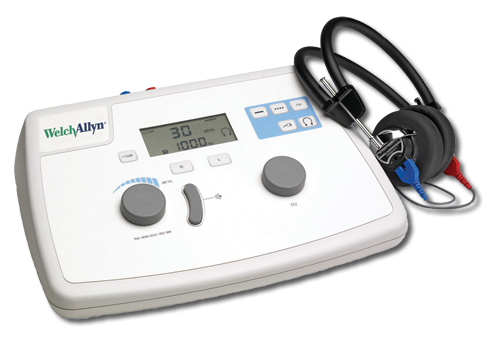
Hearing impairment refers to the partial or total inability to hear sound in one or both ears, which can range from mild to profound and can be temporary or permanent. The condition can affect people of all ages, from infancy to old age, with varying degrees of severity. There are several types of hearing impairment, including conductive hearing loss, sensorineural hearing loss, mixed hearing loss, and auditory neuropathy spectrum disorder (ANSD). Let’s take a closer look at some common forms.
Conductive Hearing Loss: This type of hearing loss is caused by a problem in the outer or middle ear, which prevents sound from reaching the inner ear. Some common causes of conductive hearing loss include ear infections, accumulation of earwax, perforated eardrum, infections, and otosclerosis. In many cases, conductive hearing loss can be treated medically or surgically, potentially restoring the person’s hearing to normal levels.
Sensorineural Hearing Loss: Sensorineural hearing loss, also known as nerve-related hearing loss, occurs when there is damage to the inner ear or the auditory nerve. It can be caused by exposure to loud noise, ototoxic drugs, certain medical conditions, and the natural aging process. Unlike conductive hearing loss, sensorineural hearing loss is typically permanent and cannot be cured using medical or surgical treatments. Hearing aids and cochlear implants can provide some relief and improve a person’s ability to communicate.
Mixed Hearing Loss: This type of hearing loss is a combination of conductive and sensorineural hearing loss. In mixed hearing loss, there is damage or a problem in the outer or middle ear, as well as in the inner ear or auditory nerve. Some common causes of mixed hearing loss include chronic ear infections or otosclerosis combined with noise-induced hearing loss or ototoxicity. Treatment options depend on the specific issues causing the hearing loss and may include medications, surgery, and assistive listening devices.
Auditory Neuropathy Spectrum Disorder: People with auditory neuropathy spectrum disorder (ANSD) experience difficulties in hearing due to issues with the transmission of information between the nerves and the brain. In other words, the problem has to do with how the brain processes sound. ANSD can be challenging to diagnose and treat, as it often isn’t responsive to traditional hearing aids. However, managing auditory neuropathy spectrum disorder usually involves the use of assistive listening devices and speech therapy to improve communication.
Hearing impairment has a significant impact on communication, affecting both listening and speaking abilities. For those with hearing impairment, speaking can be challenging due to difficulties with hearing or processing the sound of their own voice. They might also have difficulty understanding the nuances of spoken language, such as intonation and pitch, which can make it difficult to engage in conversation. In addition, hearing-impaired individuals often face challenges in understanding spoken language, especially in noisy environments or group settings where there may be multiple speakers or competing sounds.
Despite these challenges, hearing-impaired individuals can develop effective communication strategies and skills that enable them to overcome barriers and build meaningful connections. These strategies, which we’ll explore later in the article, might include sign language, speech reading, writing and texting, and the use of amplification devices or assistive technology.
Moreover, it is essential for the wider society to acknowledge the importance of appropriate communication strategies for supporting hearing-impaired individuals. By fostering understanding and empathy, we can work together to create inclusive, accessible, and comfortable environments where people with hearing impairments are empowered to communicate and engage on equal grounds with their hearing peers. In the following sections, we will dive into various ways to improve communication for hearing-impaired individuals and discuss the accommodations required to support them across various environments, including healthcare, educational, and work settings.
Individuals with hearing impairment often face various challenges that impede their ability to communicate effectively with others. Understanding these barriers is crucial in finding appropriate strategies to support the hearing-impaired and enhance their communication abilities.
Background Noise is one significant environmental factor that affects communication for the hearing-impaired. They may find it challenging to hear and understand speech when there is a lot of noise around them, such as in restaurants, crowded public spaces, and even in some buildings with open office plans. The noise can obscure or distort the incoming speech signal, making it difficult to distinguish words and sentences clearly.
Reducing background noise is essential in enhancing communication for the hearing-impaired. Strategies may include finding quieter environments for conversations, turning off or lowering the volume of music or televisions in shared spaces, and using noise-reducing technologies in workplaces and other settings.
Understanding spoken language is not only about deciphering individual words but also catching the nuances of sentence intonation and inflection. For hearing-impaired individuals, these subtleties can be easily missed, which can lead to misinterpretations, miscommunication, or missed social cues.
Speech therapy and auditory training can help individuals recognize and interpret these nuances. In some cases, assistive devices can also enhance these aspects of communication, such as frequency modulation (FM) systems that amplify the voices of conversation partners within a certain distance.
Hearing-impaired individuals often have difficulty understanding spoken language, especially in group conversations. Conversations can quickly become overwhelming, with multiple voices speaking at once, and non-verbal cues that can be challenging to pick up on.
To overcome this hurdle, clear communication strategies must be implemented. These strategies may involve speaking slowly and clearly without shouting, ensuring the speaker faces the listener so that lip reading may be possible, and giving plenty of time for the individual to process the information and respond.
Hearing impairment can also present challenges in social and conversational skills. Individuals may struggle with maintaining a flow of conversation, picking up on conversational cues such as appropriate pauses, and understanding humor or sarcasm based on speech alone.
Strategies to improve these skills may include practicing social skills in safe environments with supportive communication partners, using communication technology to facilitate real-time conversations, or even participating in drama or improvisation to better understand and respond to verbal and non-verbal cues.
In addition to the tangible barriers to communication, there are also psychological challenges that hearing-impaired individuals often face. They may feel embarrassment or anxiety in social or professional situations where they fear not understanding or being misunderstood.
Helping individuals manage these emotional challenges is just as crucial as addressing physical barriers. This may involve counseling and support groups to help build confidence and share experiences, as well as promoting an inclusive environment that respects their communication needs.
Individuals with hearing impairment can effectively communicate with others using specialized techniques that cater to their unique needs. These methods can significantly enhance their ability to convey messages, understand information, and participate in various social settings.
Sign language is a visual means of communication that uses hand gestures, body language, and facial expressions to convey meaning. Different countries often have their own sign language systems, with American Sign Language (ASL) and British Sign Language (BSL) being two well-known examples. Learning and using sign language can help hearing-impaired individuals communicate more efficiently and confidently.
Speech reading, also known as lip reading, involves deciphering spoken language by watching the speaker’s lips, facial expressions, and hand movements. Although not entirely foolproof, this technique can be beneficial for those with mild to moderate hearing impairments when supported by other communication strategies.
Written communication, in the form of text messages, emails, letters, or handwritten notes, can be an effective tool for individuals with hearing impairments to convey their thoughts and engage in conversations. In situations where spoken language is difficult to interpret, written words can provide a clear and accessible alternative.
Advancements in technology have given rise to various amplification devices and assistive technology that can help hearing-impaired individuals better engage in conversation and understand spoken language. Hearing aids, cochlear implants, and personal frequency modulation systems are examples of technological devices that can amplify sound and improve understanding.
Visual aids, such as slideshow presentations, captioned videos, and written materials, can greatly assist hearing-impaired individuals in better understanding and retaining information. These tools provide an accessible format for learning and communication, complementing other methods used to bridge any challenges of hearing impairment.
These specialized communication techniques allow for a more inclusive and accessible environment for hearing-impaired individuals to engage in conversations, learn new information, and communicate effectively with others. By understanding and implementing these methods, we can significantly improve the quality of life for individuals who are experiencing hearing-related challenges.
To facilitate effective communication for individuals with hearing impairment, it is essential to understand their specific needs, preferences, and abilities. Here are some strategies to consider:
In summary, by exploring various communication methods and catering to individual needs, we can improve the quality of interaction for those with hearing impairment. By employing these strategies, we can create an environment that allows for effective communication, increased self-confidence, and overall better quality of life for those impacted by hearing loss.
Effective communication is essential for individuals with hearing impairment, especially in healthcare and educational settings. Providing appropriate accommodations and communication strategies can significantly improve the quality of life for hearing-impaired individuals and allow them to engage fully in these settings. Below are specific strategies for healthcare and educational professionals to ensure successful communication with individuals who are hearing impaired.
Effective communication between medical professionals and patients with hearing impairment is crucial for accurate diagnosis, treatment, and overall patient care. To ensure that hearing-impaired patients have a positive experience and receive the best care possible, healthcare professionals should:
Educational institutions can play a vital role in addressing the communication challenges faced by hearing-impaired students. The following strategies can improve accessibility and create a supportive learning environment for these students:
By adopting these communication strategies and accommodations, both healthcare and educational professionals can significantly improve the experiences and outcomes of hearing-impaired individuals, fostering a more accessible and inclusive environment.
Creating an inclusive and supportive work environment for individuals with hearing impairment is crucial for both their overall well-being and professional success. Employers and coworkers can take several steps to implement reasonable workplace accommodations, ensuring communication accessibility, and fostering a supportive workplace culture.
Reasonable Workplace Accommodations
Assistive devices and software: Enabling employees to use assistive devices, such as hearing aids, cochlear implants, or captioning software, can significantly enhance their ability to participate in workplace conversations and meetings. Providing assistive listening systems in conference rooms can help hearing-impaired employees follow discussions and engage with their colleagues.
Accessible workspaces: Ensuring a safe and accessible work environment is essential for employees with hearing impairment. This may include removing background noise and distractions, providing visual alerts for important announcements or emergencies, and organizing a clear line of sight for lip-reading and facial expressions during conversations.
Ensuring Accessibility in Communication
Visual displays of information: Providing written or visual content, such as PowerPoint presentations or handouts, can assist hearing-impaired employees in better comprehending complex information. Captions on video content are also a valuable resource for people with hearing impairments.
Reducing background noise: Limiting background noise in the workplace creates a more accessible environment for hearing-impaired individuals. Designing workstations and meeting rooms with noise-reducing materials and policies can help minimize distractions for employees with hearing impairments.
Communication Training for Employees
Workshops and seminars: Hosting workshops, seminars, or training sessions to increase awareness and sensitivity about hearing impairment can help build more inclusive communication practices. These events can also serve as an opportunity for employees with hearing impairments to share their experiences and provide guidance on effective communication strategies.
Peer support: Encourage open lines of communication and support between coworkers. Creating a culture of empathy and understanding can build bridges between hearing and hearing-impaired employees, fostering an environment of inclusion and growth.
Encouraging a Supportive and Inclusive Workplace Culture
Diversity and inclusion initiatives: Implementing diversity and inclusion initiatives can help promote understanding of individual differences, such as hearing impairments, in the workplace. This can include hiring individuals with hearing impairments and creating opportunities for professional development and advancement.
Employee resource groups (ERGs): Providing a platform for hearing-impaired employees, their colleagues, and allies to come together in a supportive community can help promote positive relationships and understanding between employees. ERGs can also be a valuable tool for advocating for disability rights within the workplace.
Advocacy and support for individuals with hearing impairments are crucial to ensure their inclusion in various aspects of life, such as education, employment, and social activities. Organizations and self-help groups designed for the hearing-impaired play a significant role in empowering individuals, promoting self-advocacy, and disseminating essential information on resources and assistive technologies.
One of the most effective ways to support hearing-impaired individuals is through involvement in specialized organizations and self-help groups. These organizations provide essential support and resources for those with hearing impairments and their families. Some well-known organizations include the Hearing Loss Association of America (HLAA) and the National Association of the Deaf (NAD). These organizations work towards achieving accessibility and inclusion through advocacy, awareness initiatives, and resources for individuals with hearing impairments.
Technology continues to advance, and new developments in assistive devices and resources play a significant role in enhancing the quality of life for hearing-impaired individuals. Staying informed about the latest resources, such as cochlear implants or hearing aids, can empower individuals with hearing impairments and their families. Organizations like the National Center for Deaf Education provide information on a range of assistive devices and resources, as well as guidance on selecting the most appropriate tools.
“Self-advocacy is the backbone to our fight for recognition, respect, and access.” – Hearing Health Foundation
Encouraging individuals with hearing impairments to advocate for themselves and their needs significantly contributes to their empowerment and integration into society. Teaching self-advocacy skills, such as expressing one’s needs, negotiating accommodations, and utilizing available resources, helps to empower individuals faced with communication challenges. Furthermore, self-advocacy enables the hearing-impaired community to collectively work towards greater accessibility and inclusion in various aspects of society.
Cultural stigmas and misconceptions surrounding hearing impairment can create barriers for those affected by hearing impairments, hindering their ability to access essential services and social engagement. Advocating for greater awareness and understanding of hearing impairments, as well as debunking common misconceptions, is vital for a more inclusive society. Prominent figures in the deaf community, such as Nyle DiMarco, a deaf model and activist, are working towards breaking stereotypes and raising awareness about hearing impairments (source).
To promote a more inclusive society for individuals with hearing impairments, policies must be implemented to ensure access to education, healthcare, employment, and social activities. Supporting policies that promote inclusion and accessibility demonstrates the need for a society that accommodates the diverse communication needs of individuals with hearing impairments. Advocacy groups like the Disability Rights Washington work at the state and federal levels to advocate for accessibility rights and promote policies that protect and support individuals with hearing impairments.
In conclusion, advocating for individuals with hearing impairments is essential for their inclusion in various aspects of society. By fostering awareness, promoting self-advocacy, and supporting policies that ensure accessibility and inclusion, we can create a more understanding and supportive environment for individuals with hearing impairments.
Category: Audiology
© 2026 www.audresources.org. All rights reserved.