Audiological assessments play an incredibly important role in diagnosing and managing hearing-related conditions, enabling individuals to receive the support and treatment they require. These assessments, conducted by skilled audiologists, can be crucial for both children and adults alike, and in many cases, their early intervention can significantly improve the quality of life for patients.
An audiological assessment primarily aims to determine an individual’s hearing ability and identify potential issues such as hearing loss, tinnitus, or vertigo. To achieve this, a variety of tests that are tailored to suit the person’s specific needs and symptoms will be carried out. This allows audiologists to gain a comprehensive understanding of the nature, degree, and probable causes of the hearing difficulties that a patient may be experiencing.
In providing these assessments, audiologists leverage their advanced knowledge of hearing-related conditions to ensure accurate diagnoses and develop effective strategies for supporting patients in managing their hearing loss. Through this process, they strive to help patients feel more comfortable, confident, and independent in their daily lives.
Understanding the types of tests available and the thought processes behind them is key to grasping the importance of audiological assessments. This not only enables individuals to better cope with living with hearing loss but also empowers them to make well-informed decisions regarding their health and well-being.
When patients go through an audiological assessment, they can expect to receive a detailed, visual representation of their hearing abilities. Audiologists will analyze the results and compare them against established hearing thresholds to determine the degree, type, and configuration of any hearing loss detected during the tests. By identifying specific patterns and signs of hearing loss, audiologists can differentiate between conductive, sensorineural, and mixed hearing loss, all of which require different types of management and treatment.
Once a diagnosis is established, audiologists will discuss the best follow-up treatment options, keeping in mind the unique needs and circumstances of the individual patient. This may include innovative devices such as hearing aids, cochlear implants, or assistive listening devices, specialized communication strategies, or even rehabilitation and therapy sessions.
In summary, audiological assessments serve as the cornerstone in diagnosing and managing hearing-related conditions, providing vital insights into an individual’s hearing abilities and offering guidance on appropriate treatment options to ensure the best possible quality of life for those with hearing loss. As an integral component of hearing healthcare, it is essential that individuals receive regular audiological assessments to ensure optimal management of their hearing conditions and well-being.
An audiological assessment appointment is an essential step in diagnosing and managing hearing loss. To ensure that the process runs smoothly, it’s important to be well-prepared. This section will guide you through the key steps to follow before and during your appointment.
Before your appointment: Ensure that you gather all pertinent information related to your hearing health. This includes:
In order to provide a thorough and accurate assessment, it’s essential to communicate openly with your audiologist. You should be prepared to:
To optimize the outcome of your audiological assessment, it is beneficial to:
By following these steps, you’ll ensure that your audiological assessment appointment is as comprehensive and informative as possible. Your audiologist will appreciate your thorough approach and be better equipped to understand and address your unique hearing needs.
To ensure accurate and reliable audiological assessments, the testing environment must be carefully controlled. Factors like noise level, temperature, and lighting can all play a crucial role in the outcome of the tests. The environment should be designed to reduce as many external disturbances as possible, which will help minimize errors in measurements and prevent any misleading test results.
The use of specialized equipment is essential for the success of an audiological assessment. Audiologists rely on state-of-the-art tools to measure various aspects of a patient’s hearing ability. Here are some common devices used during the testing process:
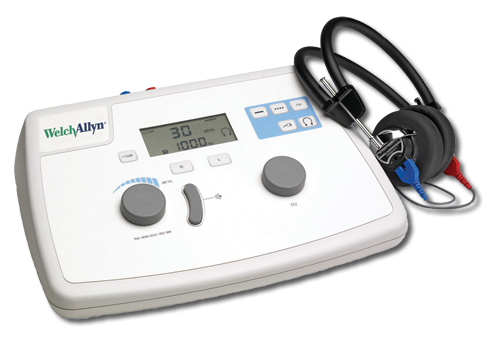
One of the most important pieces of equipment in audiology is the audiometer. This device emits different frequencies of sound, allowing the audiologist to evaluate an individual’s auditory thresholds. Audiometers can either be used for pure-tone testing or for presenting speech sounds to determine a patient’s speech discrimination ability.
Tympanometry equipment is employed to assess the functionality of the middle ear. The test measures the static pressure in the ear canal and evaluates how the eardrum reacts to this pressure. This information can help determine if there are any issues affecting the middle ear, such as fluid buildup or damaged eardrum.
Another essential device for audiological testing is OAE equipment. Otoacoustic emissions are soft sounds produced by the inner ear in response to external stimuli. By measuring these emissions, audiologists can identify potential issues with the middle or inner ear, such as damage to the outer hair cells or conductive hearing loss.
Lastly, otoscopy involves the use of a specialized magnifying instrument known as an otoscope. This tool provides the audiologist with a clear view of the ear canal and eardrum. The examination can help identify any abnormalities, such as wax buildup or infection, which may affect an individual’s hearing.
In addition to these devices, the audiologist will also need to use headphones or earphones, sound-treated booths, and calibrated microphones to perform various tests effectively. To learn more about the different types of equipment used in audiology, you may refer to professional organizations such as the American Hearing Research Foundation (AHRF) or the American Speech-Language-Hearing Association (ASHA).
Audiology practices utilize various tests to assess the different aspects of an individual’s hearing abilities. Based on specific symptoms and needs, an audiologist will choose the appropriate tests to administer. Here is an overview of some frequently used audiology tests:
Pure-tone audiometry is a standard test performed to measure a person’s hearing sensitivity across different frequencies. It involves the use of headphones or ear inserts, through which various tones are presented to the patient at different pitches and volumes. The patient responds when they hear a tone, allowing the audiologist to determine the hearing threshold for each frequency.
Tympanometry assesses the functionality of the middle ear by measuring the static pressure in the ear canal. A probe is inserted into the ear, generating a series of pressure changes while emitting a tone. The resulting chart, called a tympanogram, can help identify various middle ear disorders, such as fluid buildup, a perforated eardrum, or a malfunctioning Eustachian tube.
Speech audiometry is a crucial test that evaluates a patient’s ability to understand spoken words at various volumes and pitches. This test helps differentiate between various types of hearing loss and can inform the audiologist about appropriate treatment strategies, such as the use of hearing aids or cochlear implants.
Otoscopy is a simple, non-invasive procedure where the audiologist examines the ear canal and eardrum using a specialized magnifying instrument and a light. This examination allows the audiologist to evaluate the general health of the ear and detect any abnormalities, such as infections, excess earwax, or foreign objects. Otoscopy can also provide valuable information when determining the proper course of treatment for hearing issues.
Otoacoustic emissions is another essential test used to measure the response of the inner ear to sound stimulation. Small speakers are placed in the ear canal and emit sounds, while sensitive microphones measure the echoes generated by the cochlea. OAEs can help detect issues with the hair cells responsible for transmitting sound information to the brain or other related factors. It can also be used as a screening tool for newborns to detect potential hearing impairments.
Audiologists may employ other specialized tests, depending on the patient’s unique case and circumstances. These tests provide valuable insights into hearing abilities and guide the audiologist in devising the most effective treatment plan.
The results of audiological assessments are typically presented in the form of an audiogram, which is a graph illustrating various aspects of an individual’s hearing ability. This visual representation includes information about the degree, type, and configuration of any hearing loss and enables the audiologist to form an accurate diagnosis.
An audiologist looks for key indicators to differentiate between three primary types of hearing loss: conductive hearing loss, sensorineural hearing loss, and mixed hearing loss. Let’s explore these in more detail:
Conductive hearing loss is characterized by a problem with the outer or middle ear, impeding sound vibrations from traveling to the inner ear. This type of hearing loss may stem from issues such as:
In an audiogram, conductive hearing loss usually appears as a decrease in hearing sensitivity at all frequencies. Some cases might cause a specific pattern, where low-pitched sounds are better heard than high-pitched sounds.
Sensorineural hearing loss occurs when there is damage to the inner ear or auditory nerve, affecting the transmission of sound signals to the brain. Potential causes may include:
Sensorineural hearing loss typically displays as a sloping decline across all frequencies in an audiogram. This indicates that hearing loss is worse at higher frequencies.
Mixed hearing loss is a combination of conductive and sensorineural hearing loss, meaning that an individual has damage in both the outer/middle ear and the inner ear or auditory nerve. In an audiogram, mixed hearing loss will show patterns from both conductive and sensorineural hearing loss.
An audiogram displays a variety of information, including:
Understanding how to read an audiogram can be challenging without any background knowledge. It is essential to consult with your audiologist, who will guide you through the key elements of your results and help you understand any potential treatment options.
Following a thorough audiological assessment, your audiologist will evaluate the results to provide an accurate diagnosis and develop a treatment plan tailored to your individual needs. Depending on the type and severity of hearing loss detected, various treatment options may be recommended, and it’s essential to discuss the benefits and potential challenges of each option with your audiologist.
One of the most well-known and common treatments for hearing loss is the use of hearing aids. These devices are designed to amplify and clarify sound, making it easier for the patient to engage in conversations and environments. Many modern hearing aids offer advanced features such as Bluetooth connectivity, noise reduction, directional microphones, and remote controls.
The selection of the right hearing aid is crucial for the best results, and your audiologist can help guide you in choosing the most appropriate one based on your specific needs, lifestyle, and budget. BTE (behind-the-ear), ITE (in-the-ear), and RIC (receiver-in-canal) are some of the common styles available.
In cases where hearing loss is severe to profound, cochlear implants may be recommended. These devices involve surgical implantation and provide a more direct stimulation of the auditory nerve. Cochlear implants are not suitable for all patients, and a thorough evaluation is necessary before considering this option.
Apart from hearing aids, a range of other assistive devices can help patients navigate environments and situations with hearing difficulties. These include:
Your audiologist can help explore these options and determine which devices may best address your specific concerns.
Finally, your audiologist may recommend adopting strategies and techniques to better navigate communication challenges, both personal and professional, alongside the use of devices. Ongoing therapy, support groups, and consultations with communication specialists may be beneficial for addressing the emotional and social aspects of hearing loss.
In summary, the follow-up to an audiological assessment should involve a personalized treatment plan based on the findings. This plan may include hearing aids, cochlear implants, assistive devices, and communication support strategies. Discussing your individual needs and preferences with a qualified audiologist is essential to create the best possible outcome for your hearing abilities.
It is natural to have questions and concerns about the audiological assessment process. Understanding the process, its duration, and addressing common inquiries can help ease your mind and ensure the best possible outcome. Below, we have compiled a list of common questions and concerns, along with information to help address them.
Clients often wonder about the duration of audiological assessments. Generally, these assessments take less than 2 hours to complete on average. However, the specific duration may vary depending on the tests that are needed and the individual’s specific condition.
Concerning the frequency of testing, it depends on the nature of the hearing loss and any changes in symptoms. Some individuals may require annual assessments, while others may only need evaluations every few years. Discussing your unique situation with your healthcare provider will help determine the most appropriate testing frequency for you.
Many people are concerned about the cost associated with audiological assessments and treatments. It is essential to check with your insurance provider to understand what costs are covered in diagnosing and treating hearing loss. Each insurance plan may have different coverage options, so verifying the specific details of your plan is crucial to getting the accurate information you need.
Adjusting to hearing aids and other assistive devices can sometimes be challenging. Audiologists are trained to provide guidance and support to optimize comfort and effectiveness in these circumstances. They can offer practical advice on the proper use and maintenance of hearing aids as well as any additional accessories necessary to enhance your experience.
Living with hearing loss can be challenging. For some patients, regular support groups or individual therapy sessions can be valuable resources to help cope with day-to-day life. Audiologists can help connect clients with local resources and support networks available to those navigating the challenges of living with hearing loss.
In conclusion, having questions and concerns about audiological assessments is entirely normal. By familiarizing yourself with the process, discussing your situation with your healthcare provider, and exploring your options for support and therapy, you can feel more confident and prepared for your audiology appointment. As always, remember to communicate openly with your audiologist to get the care and treatment that best suits your individual needs.
Category: Audiology
© 2026 www.audresources.org. All rights reserved.