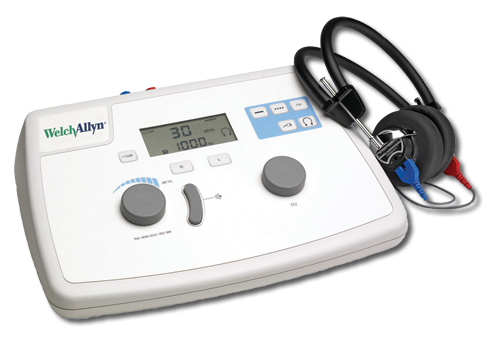
Audiological interventions, in essence, refer to the comprehensive range of diagnostic, therapeutic, and rehabilitative services provided to individuals with special needs related to their auditory system. For these individuals, undergoing audiological interventions becomes absolutely essential in their day-to-day life, particularly when struggling with various forms of hearing impairment, speech, and language disorders.
The term special needs encompasses a broad spectrum of populations who require audiological interventions. These include, but are not limited to, children and adults with:
Effective audiological care is crucial to minimize the negative impact of these conditions on daily life, social interactions, academic achievement, and overall quality of life. Early identification and proper intervention can significantly improve the prognosis and successful outcomes for individuals with these needs.
Audiological interventions encompass various services aimed at assessing, managing, and rehabilitating an individual’s auditory abilities, such as:
In summary, audiological interventions are a vital component of healthcare for individuals with special needs. The comprehensive care provided by audiological professionals encompasses the identification, management, and rehabilitation of hearing-related conditions, making a significant impact on the lives of those affected. By addressing the specific audiological needs of each individual patient, these interventions can vastly improve quality of life and ensure that individuals with special needs have access to the resources necessary for a full and empowered life.
For individuals with special needs, the early identification and treatment of auditory challenges can significantly improve their quality of life. Early intervention has been proven to increase the likelihood of better outcomes, allowing these individuals to develop alongside their peers and maintaining higher levels of cognitive and speech-language skills.
One of the primary benefits of early intervention in audiological care is the improvement of cognitive and speech-language development in affected individuals. When auditory issues are detected and addressed at a young age, the child’s brain has the opportunity to develop stronger neural pathways that pertain to speech perception and language comprehension.
Key benefits of early intervention include:
Beyond cognitive and speech-language development, early intervention also contributes to a better overall quality of life for individuals with special needs. Children and adults who undergo early audiological interventions often experience:
In conclusion, early intervention for individuals facing audiological challenges plays a vital role in improving cognitive and speech-language development, communication skills, and overall quality of life. By identifying and addressing auditory issues at a young age, we can empower those in need of assistance, fostering inclusive environments where all individuals can thrive.
In this section, we will discuss the various audiological interventions that special needs populations can benefit from. These interventions can help to manage their hearing impairments, speech and language disorders, and other related problems. Here is an overview of some of the most common audiological interventions:
Several professional tests are available that help evaluate a person’s hearing ability. These tests can determine the type, cause, and degree of hearing loss. Examples of such tests include:
The results of these tests can inform healthcare providers on the most suitable interventions for their patients.
A hearing aid is a small electronic device that works by amplifying sounds. It is often used for people with mild to moderate hearing loss. On the other hand, a cochlear implant is a more complex device that helps to restore hearing by bypassing damaged parts of the ear and directly stimulating the auditory nerve. Cochlear implants are more suitable for individuals with severe to profound hearing loss.
Assisted listening devices are designed to help people hear better in environments where traditional hearing aids may be insufficient. Examples of ALDs include FM and infrared systems, personal amplifiers, and loop systems. ALDs can help amplify sounds to improve the listening experience for individuals with hearing loss.
Auditory training involves exercises and techniques designed to improve an individual’s ability to understand speech in challenging environments. This intervention can help individuals recognize speech sounds in noise and aids in language processing. Auditory training is often recommended alongside the use of hearing aids or cochlear implants.
Speech therapy aims to help people with speech and language difficulties. Speech-Language Pathologists (SLPs) work with clients to develop better communication skills, including speech clarity, fluency, and voice control. Speech therapy is often used in conjunction with other audiological interventions to address underlying issues and improve overall communication ability.
Adapting to life with a hearing impairment or communication disorder can be challenging. Counseling support can be provided by audiologists, SLPs, or psychologists to help individuals and their families cope with these changes. Counseling can provide emotional support, guidance in problem-solving, and training in communication strategies, among other things.
In summary, various audiological interventions are available to help individuals with special needs manage their hearing impairments, communication disorders, and related issues. A team of healthcare professionals may work together to provide an individualized treatment plan that caters to each person’s unique requirements.
Audiologists play a vital role in providing effective audiological interventions for individuals with special needs. However, collaboration with other healthcare professionals is equally essential to ensure comprehensive care for these populations. In this section, we’ll discuss the various professionals involved in audiological care and their roles.
To achieve the best possible outcomes, audiology care often requires a multidisciplinary approach. This collaborative effort involves:
A thorough assessment of an individual’s audiological needs is crucial for devising an appropriate intervention plan. This assessment may include:
Once the assessment is complete, a comprehensive care plan should be developed and regularly updated during follow-up appointments. This ensures that the individual’s needs are being met and that any issues are addressed promptly.
Case management is another essential aspect of audiological intervention. It involves coordinating, planning, and monitoring the medical, educational, and personal care services that benefit individuals with special needs. Audiologists and other healthcare professionals often work together to:
Continuing education is vital for healthcare professionals to stay up-to-date on the latest advancements in the field of audiology and related disciplines. These professionals must continuously expand their knowledge and skills to provide the highest quality care to their patients. Such continuous professional development may include:
In conclusion, audiological care for individuals with special needs requires a collaborative effort among various healthcare professionals, providing comprehensive assessment, case management, and persistence in professional development. Such interdisciplinary teamwork ensures that the unique needs of each individual are met and that they receive the best possible care.
Providing audiological interventions to special needs populations can be challenging due to various factors. Understanding these difficulties can help stakeholders develop strategies to overcome them and ensure equitable access to care for all individuals. Some of the key issues and challenges include:
Audiological services are often concentrated in urban areas, leaving rural and remote communities underserved. This geographical disparity limits access to essential interventions and can result in delayed diagnoses and treatment for individuals with special needs.
Financial constraints can pose significant challenges for individuals seeking audiological care. Costs associated with diagnostic assessments, assistive devices, and ongoing therapy sessions may be unaffordable for low-income families. Furthermore, many private health insurance plans do not cover audiological services, leaving families to bear the brunt of these costs.
Systemic barriers, such as government regulations, healthcare policies, and administrative inefficiencies, can also hinder access to audiological interventions. These barriers may restrict the availability or type of services covered by insurance, limit the number of professionals qualified to provide interventions, or impose bureaucratic obstacles on individuals seeking care.
Certain regions may have a shortage of audiologists and other healthcare professionals with specialized training in audiological interventions. This can lead to long wait times for appointments, inadequate care, or a lack of services altogether.
To address these challenges, community outreach initiatives can play a crucial role in increasing awareness and access to audiological care. Strategies may include collaborative efforts between healthcare providers, schools, community centers, and government agencies, as well as targeted educational campaigns aimed at raising awareness of hearing loss and available resources.
Greater public awareness of the prevalence and impact of hearing loss can help remove stigmas and encourage individuals with special needs to seek out appropriate interventions. Engaging stakeholders from various sectors—including healthcare providers, educators, policymakers, and advocates—can have a significant impact on improving access to care and fostering an inclusive society.
The rapidly evolving landscape of technology offers hope and promise to the millions of individuals around the world living with special needs. In the realm of audiological interventions, these advancements have the potential to further improve the quality of life for people with hearing impairments and other auditory-related conditions. In this section, we will discuss some groundbreaking technologies that are transforming the way audiological interventions are provided to individuals with special needs.
Digital hearing aids have revolutionized the hearing aid industry by offering improved sound quality, extended battery life, and enhanced features. These modern devices can be programmed to cater to specific individual needs while also offering smartphone connectivity, rechargeable batteries, and more discreet designs.
Cochlear implants, while not a new technology, have vastly improved over the years. These implants bypass damaged parts of the ear to provide sound directly to the auditory nerve. With continuous advancements, cochlear implants have enabled individuals with profound hearing loss to experience significant improvements in their auditory abilities and speech comprehension.
Teleaudiology services have emerged as an innovative solution for individuals residing in remote locations, or those with limited access to specialized audiological care. By utilizing video conferencing, virtual consultation, and remote programming for hearing aids, teleaudiology extends the reach and services of audiology professionals to underserved populations.
Innovative devices and tools, such as classroom hearing loops, FM systems, and transcribing software, are making education more accessible for individuals with hearing impairments. These assistive listening technologies are playing a crucial role in the educational development of children and young adults with auditory-related special needs.
The field of audiology is continuously evolving, with new technologies expected to further enhance the effectiveness of audiological interventions. Some of the anticipated advancements in audiology include:
In today’s society, promoting inclusivity and equal opportunities for individuals with special needs is crucial. Ensuring access to care and resources, fostering self-advocacy, and creating inclusive environments are vital steps toward a more equitable future. This section will discuss the importance of empowering self-advocacy and inclusion for individuals with special needs, highlighting initiatives and strategies that can help create a supportive and accessible society.
Several strategies can be adopted to foster inclusivity for individuals with special needs and empower them to advocate for themselves:
Creating a supportive and empowering environment for individuals with special needs requires collaboration among individuals, families, educators, and healthcare professionals. This collaboration involves:
According to the World Health Organization, “Inclusive education and lifelong opportunities for learning and personal development are essential for the inclusion of people with disabilities in society.”
Advocacy plays a crucial role in promoting equal opportunities and rights for people with special needs. Advocates can work collectively to raise awareness of policy issues, influence decision-makers, and enact legislative changes. Some critical advocacy areas include:
In conclusion, empowering self-advocacy and inclusion for individuals with special needs requires collaborative efforts from various stakeholders in society. Through accessible guidelines, community support, professional development, and advocacy, we can create a world where individuals with special needs can access the resources and opportunities they need to live fulfilling lives.
Category: Audiology
© 2026 www.audresources.org. All rights reserved.