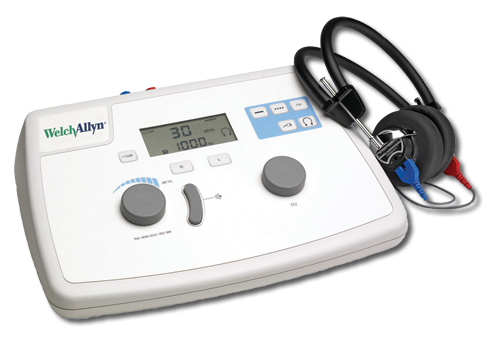
Audiology, the science of hearing, has come a long way since its inception. Originally a branch of otolaryngology, the study and treatment of hearing and balance disorders, audiology has grown into a specialized field within the broader scope of healthcare.
The origins of audiology can be traced back to the 19th century, when physicians first began to recognize and attempt to treat hearing loss. However, it wasn’t until the early 20th century that the field began to develop, with pioneers like Harvey Fletcher and Carl Seashore making significant contributions to the understanding of hearing and testing methods.
During World War I, concerns about hearing loss in veterans led to the establishment of fitting service for earphones, which helped formalize the study of audiology. By the mid-20th century, audiologists were recognized as professionals, and the 1946 publication of the Journal of Speech and Hearing Disorders marked a significant milestone in the professionalization of the field.
Today, audiology is a rapidly evolving field. Audiologists are not only concerned with hearing loss but also with balance disorders, tinnitus (ringing in the ears), and various auditory processing disorders. They use a variety of diagnostic tests and interventions, including advanced hearing aid technology and cochlear implants.
With an aging population and exposure to noise-induced hearing loss becoming more common, the demand for audiology services is on the rise. Audiologists are also playing a key role in advocating for accessibility and quality-of-life improvements for the hearing impaired.
Technology is transforming the field of audiology, making it easier to diagnose, manage, and treat hearing disorders. Innovations such as smartphone connectivity for hearing aids, advanced hearing aid technology, and the development of more effective cochlear implants are enhancing the lives of those with hearing loss.
Artificial intelligence and machine learning are also starting to make their mark on audiology, offering the potential for personalized hearing treatments and more accurate diagnostic tools.
Audiologists play a crucial role in the modern healthcare system. They are part of a multidisciplinary team, often collaborating with ENT specialists, speech-language pathologists, and primary care providers. Their work extends beyond clinical settings, as they also engage in research, education, and public health initiatives.
With their specialized knowledge and skills, audiologists help to ensure that individuals with hearing and balance disorders receive the tailored care they need to improve their quality of life. As the field continues to evolve, the role of audiologists is expected to grow in importance, reflecting the increased need to address hearing disorders with evidence-based practices and innovative technologies.
Audiologists play a vital role in the modern healthcare system by specializing in the evaluation, diagnosis, and treatment of hearing and balance disorders.
One of the primary responsibilities of an audiologist is to perform comprehensive hearing and balance evaluations to determine the extent of a patient’s hearing loss or balance issues. These evaluations may include tests such as pure-tone audiometry, speech audiometry, otoacoustic emissions, and vestibular evoked myogenic potentials (VEMPs). Audiologists interpret the results of these tests to provide an accurate diagnosis and inform appropriate treatment plans.
Audiologists are trained to diagnose various hearing and balance disorders, such as sensorineural hearing loss, conductive hearing loss, tinnitus, and vestibular disorders like benign paroxysmal positional vertigo (BPPV). Once a diagnosis is made, they collaborate with other healthcare professionals to provide appropriate treatment options, such as medications, hearing aids, assistive listening devices, and physical therapy.
Audiologists are dedicated to enhancing the quality of life for hearing-impaired individuals. They do this by offering personalized counseling and support, educating patients on hearing conservation, and fitting hearing aids or cochlear implants. By providing this support, audiologists empower patients to better manage their hearing loss and remain engaged with their families and communities.
Audiologists often work closely with other healthcare professionals, such as otolaryngologists, primary care physicians, and speech-language pathologists, in order to provide comprehensive care for patients. This interdisciplinary approach ensures that patients receive well-coordinated treatment plans which address all aspects of their hearing and balance disorders.
Hearing loss can have a profound impact on a person’s social, emotional, and cognitive development in both children and adults. Early intervention is crucial to mitigate these negative effects, leading to better outcomes for individuals with hearing impairments. In this section, we will discuss the consequences of untreated hearing loss, early childhood intervention strategies, the importance of developing individualized treatment plans in pediatric audiology, and the benefits of early intervention programs.
Untreated hearing loss can result in several significant challenges for affected individuals, impacting their personal and professional lives. Some consequences include:
Early intervention refers to any service or treatment initiated during early stages of childhood when hearing loss is identified to address delayed development or other challenges related to hearing impairments. Key aspects of early intervention strategies include:
An individualized treatment plan is essential to address the unique needs of someone with hearing loss. This plan should take into account factors such as the person’s age, specific type of hearing loss, coexisting health conditions, communication abilities, social and educational experiences, and preferences of the individual and their family.
Treatment options can range from hearing aids and cochlear implants to speech and language therapy, auditory training, and assistive listening devices. The creation of an individualized plan requires a collaborative approach involving audiologists, otolaryngologists, primary care physicians, speech-language pathologists, and educators.
Early intervention programs, such as those offered at schools for the deaf, hearing clinics, or child development centers, provide essential services to children with hearing loss. These programs include:
The advancements in technology have revolutionized the field of audiology, leading to the development of innovative hearing assistive devices that cater to a wider range of hearing impairments. This section will provide an overview of some of the most significant advancements in modern hearing assistive devices, including digital hearing aids, cochlear implants, as well as discuss the benefits and drawbacks of these technologies.
Digital hearing aids represent one of the most important breakthroughs in hearing technology. The devices are designed to amplify sounds for people with various types of hearing losses while minimizing background noise. They come with improved features like directional microphones, feedback reduction, and smartphone connectivity. Some advanced models even use complex algorithms to automatically adjust settings according to individual preferences and environmental conditions.
Cochlear implants are another critical development in audiology, offering hope to those with severe to profound hearing loss. The implant consists of an external sound processor and an internal electrode array that bypasses the damaged portions of the inner ear to directly stimulate the auditory nerve. As technology has progressed, cochlear implants have become smaller, more powerful, and more effective, improving the quality of life for many individuals with profound hearing loss.
The benefits of these technologies are numerous. Digital hearing aids and cochlear implants provide improved hearing capabilities, reduced need for analog signal processing, and various customization features to suit individual preference and hearing impairment levels. However, there are also drawbacks to consider: the complexity of these devices can require extensive training and maintenance, and they are often quite expensive, limiting accessibility for many individuals who may greatly benefit from them.
A multitude of innovative designs and fitting processes have been developed to accommodate different patient needs. For instance, open-fit hearing aids are designed for mild to moderate hearing loss and send sound through a narrow tube, allowing for more natural sound quality and the perception of one’s own voice. Another example is the emergence of “invisible in the canal” (IIC) hearing aids, which are custom-molded to fit deep within the ear canal, making them virtually invisible. Additionally, rechargeable options are now available to increase convenience and reduce the waste associated with disposable batteries.
As technology continues to evolve, audiologists play an essential role in ensuring these advances are effectively implemented to improve patients’ lives. Continued research and collaboration between professionals in audiology and related fields will be vital in addressing the unique demands of those with hearing loss and further expanding the possibilities of modern hearing assistive devices.
Audiology and otolaryngology (ENT, or ear, nose, and throat medicine) are closely related fields within the healthcare industry. Audiologists and ENT specialists often collaborate in the evaluation and treatment of patients with hearing and balance disorders.
Audiologists and ENT specialists work together to ensure that patients receive comprehensive care for their hearing and balance issues. Audiologists typically specialize in diagnosing and managing hearing loss and balance disorders, while ENT physicians are trained to diagnose and manage both medical and surgical issues related to the ear, nose, and throat. By forming a collaborative relationship, these professionals can provide better care for patients with hearing and balance disorders.
In some cases, hearing and balance disorders may require both medical and rehabilitative interventions. In these instances, audiologists and ENT specialists work together to develop and execute comprehensive treatment plans tailored to the individual needs of the patient.
Interprofessional teams, which include audiologists and ENT specialists, can lead to improved patient outcomes and care. By providing a more varied and diverse team of healthcare professionals, these teams can ensure patients receive the most effective treatments and diagnoses for their unique medical needs.
Overall, the relationship between audiology and otolaryngology is vital for ensuring that patients with hearing and balance disorders receive comprehensive evaluations and treatments. By understanding the importance of collaboration and working together, audiologists and ENT specialists can provide the best possible care to their patients.
Integrating audiologists into primary care settings offers several advantages, ensuring better access to quality audiology care and improving patient outcomes. This section discusses the various benefits of this integration, along with the transition from traditional hearing aid distribution models and the development of tailored strategies for underserved populations.
The traditional model of hearing aid distribution, which involves multiple visits to specialized audiologists, can be inconvenient and costly for many patients. Integrating audiologists into primary care settings allows for greater convenience and accessibility for patients, enabling them to receive timely evaluations and care.
Primary care settings can offer audiology services tailored to the specific needs of underserved populations, such as those living in rural areas, the elderly, or those with limited financial means. This helps bridge the gap in access to audiology care and ensures that all patients can receive appropriate treatment.
As the population ages and the prevalence of hearing loss increases, there is a growing demand for audiologists and audiology services. Integrating these services into primary care settings can help meet this demand by increasing access to specialized care and reducing the burden on specialized audiology clinics.
As the healthcare ecosystem continues to evolve, audiology professionals must adapt and grow in response to numerous emerging trends and challenges. In this section, we will discuss some of the major issues that will impact audiologists in both the near and long-term future.
The healthcare industry is subject to a multitude of legislative changes, which can significantly affect the way audiologists practice. With an increased focus on cost containment and value-based care, understanding and adapting to these legislative changes will be crucial for audiologists to secure reimbursement for services and remain competitive in the market.
Population demographics are rapidly changing, which means that audiologists will need to evolve to serve the diverse needs of both younger and older populations. As life expectancy increases and the percentage of older adults – a group known to be at higher risk for hearing loss – continues to grow, audiologists must be prepared to provide specialized care tailored to the specific needs of these cohorts.
The field of audiology is constantly advancing, fueled by new discoveries and technological innovations. This provides an opportunity for audiologists to engage in research and academic endeavors to stay up-to-date on the latest developments and disseminate their knowledge to fellow professionals.
The healthcare industry is rapidly changing, and audiology professionals must adapt to remain relevant in this dynamic environment. Strategies for doing so include staying informed about technological advancements, embracing new roles in interdisciplinary care teams, and engaging in continuing education opportunities.
In conclusion, to successfully navigate the future landscape and address emerging trends and challenges, audiologists must be proactive and forward-thinking. They must seek opportunities for collaboration, research, and professional development, while remaining sensitive and responsive to the changing needs of their patients.
Category: Audiology
© 2026 www.audresources.org. All rights reserved.