The natural aging process plays a significant role in the development of hearing loss. The overall hearing function declines with age, which is known as presbycusis. Presbycusis is characterized by a gradual loss of hearing function, particularly affecting the ability to hear high-frequency sounds. However, the impact of presbycusis extends beyond just hearing loss to include the ability to process auditory information.
Understandably, the aging process is associated with numerous biological and physiological changes that affect hearing. The inner ear undergoes a natural aging process, which results in the deterioration of specialized cells responsible for converting sound vibrations into electrical signals that the brain can process. The auditory nerve, which carries these signals from the inner ear to the brain, can also degrade with age.
Alongside these changes, other factors can contribute to age-related hearing loss, such as exposure to loud noises over time, underlying health conditions, and certain medications. As a result, individuals may find it increasingly difficult to understand speech, particularly in noisy environments or when listening to high-pitch sounds like women’s or children’s voices, or even musical instruments.
The impact of presbycusis is significant and extends beyond direct hearing issues. Hearing loss impacts various aspects of an individual’s life, including communication, social interactions, and mental health. Anxiety, depression, and feelings of isolation are common among older adults who experience hearing loss, often due to the challenges they face in social situations.
An effective approach to addressing these challenges requires a comprehensive understanding of the aging process – its impacts and implications. This understanding allows audiologists and healthcare professionals to more effectively identify and treat the unique audiological needs of older adults. By considering the biological and physiological aspects of aging and hearing, healthcare providers can develop tailored intervention strategies and optimize treatment outcomes.
To achieve this, audiologists and healthcare professionals should maintain a proactive and cooperative approach to addressing the unique challenges faced by the elderly with hearing loss. This commitment ensures that individuals receive the most appropriate and effective care, maximizing their overall well-being, and minimizing the impact of hearing loss on their daily lives.
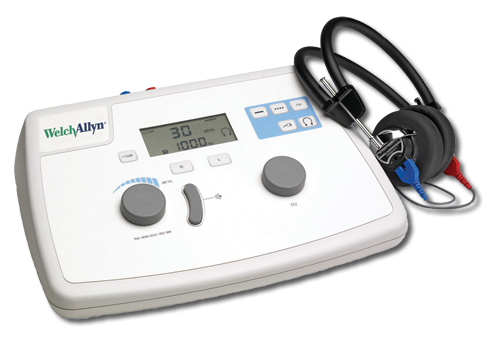
Hearing evaluations play a pivotal role in understanding and addressing the specific audiological needs of older adults. Comprehensive hearing evaluations are essential for assessing the hearing function of individuals in this age group.
As the aging process affects hearing, a detailed understanding of an individual’s hearing profile is crucial. This allows healthcare professionals to identify the particular issues faced by the elderly and measure the severity of hearing loss. Early detection of hearing impairment is vital, as it enables timely intervention and appropriate treatment.
During audiological evaluations, healthcare professionals look for various signs and symptoms that may indicate hearing loss, such as:
It is essential to conduct these evaluations in a gentle, non-invasive, and patient-centered manner to ensure the elderly person feels comfortable throughout the process. By providing a thorough evaluation and understanding of an individual’s hearing, healthcare professionals can ensure the specific needs of older adults are met effectively.
Furthermore, comprehensive hearing evaluations can also help in evaluating the effectiveness of audiological interventions such as hearing aids, cochlear implants, or rehabilitation therapies. This ongoing assessment is key to maintaining the quality of life and ensuring successful outcomes for older adults with hearing loss.
In conclusion, comprehensive hearing evaluations are crucial in diagnosing and treating hearing loss in older adults. By identifying hearing issues early on, healthcare professionals can provide the necessary support to improve communication, social interactions, and overall well-being for the elderly population.
Several medical conditions commonly affect hearing in older adults, and identifying these issues in conjunction with addressing audiological concerns is crucial for improving the overall well-being of older adults. Some common medical conditions related to hearing loss include ear infections, middle-ear problems, neurological conditions, cardiovascular diseases, and certain medications that can contribute to hearing loss.
Hearing loss in the elderly can sometimes be caused by ear infections, which can lead to inflammation and fluid buildup in the middle ear. Middle-ear problems, such as otosclerosis and tympanic membrane perforation, can also cause hearing impairment in older adults. Treatment options for ear infections and middle-ear problems include antibiotics, surgical intervention, and in some cases, the use of hearing aids to manage hearing loss effectively.
Various neurological conditions can affect hearing in the elderly, including Meniere’s disease and acoustic neuroma. Meniere’s disease is a disorder of the inner ear, causing dizziness, tinnitus, and progressive hearing loss. Acoustic neuroma is a benign tumor that develops on the vestibular cochlear nerve, leading to hearing loss and balance problems in older adults. Diagnosis and management of these neurological conditions can help mitigate hearing loss and improve hearing function in the elderly population.
Cardiovascular diseases, including atherosclerosis and high blood pressure, can impact blood circulation to the inner ear, which can contribute to hearing loss in the elderly. Proper management of cardiovascular diseases through medications, lifestyle modifications, and regular monitoring can help improve overall health and potentially reduce the impact of hearing loss in older adults.
Various medications, referred to as ototoxic drugs, can cause hearing loss or tinnitus in older adults. Some common ototoxic drugs include certain antibiotics, chemotherapy agents, and loop diuretics. Healthcare professionals should be aware of the ototoxicity risk associated with medications prescribed to elderly patients and consider alternative options or monitor patients more closely for hearing changes when necessary.
Audiologists should work in close collaboration with other healthcare professionals, including physicians and geriatricians, to provide comprehensive care and integrated treatment options. To address these medical conditions effectively and holistically, interdisciplinary teams should be formed, incorporating the expertise from various healthcare professionals, to ensure the best possible care and improved outcomes for elderly patients with hearing loss.
As we age, our hearing abilities decline, and the need for personalized interventions becomes increasingly important. With the goal of enhancing the quality of life for older adults, audiological interventions cater to the unique needs of each individual. These interventions can be categorized into hearing aids, cochlear implants, auditory training, and counseling.
Hearing aids are the most common form of treatment for hearing loss. For older adults, there are a variety of hearing aids available to suit their specific hearing profiles and lifestyle requirements. Options can include:
Cochlear implants can be recommended for individuals with severe to profound hearing loss, especially those who do not benefit from hearing aids. This surgical intervention can provide the necessary stimulation to the auditory nerve to understand speech and environmental sounds.
Auditory training aims to strengthen the skills required for listening and understanding speech. This can include:
Counseling can play a critical role in addressing the emotional, social, and psychological aspects of hearing loss. It can help patients:
To maximize results, personalized audiological interventions should be developed through a comprehensive evaluation of an individual’s hearing profile, lifestyle, and personal circumstances. With audiological professionals, support systems, and resources tailored towards their needs, older adults can live a more comfortable and fulfilling life, despite hearing loss.
For older adults experiencing hearing loss, assistive listening devices (ALDs) and cochlear implants can significantly improve communication and enhance their quality of life. These technologies serve as essential tools for supporting individuals with hearing impairments by facilitating better interaction and providing personalized audiology solutions tailored to their unique needs.
ALDs come in various forms to accommodate different preferences and specific hearing requirements. Some common types of ALDs include:
Cochlear implants are an advanced treatment option for individuals with severe or profound hearing loss who have not benefited from hearing aids. Unlike hearing aids that amplify sound, cochlear implants bypass the damaged parts of the ear and directly stimulate the auditory nerve, enabling the user to perceive sound and speech.
Selecting the most suitable ALD or cochlear implant for an older adult depends on their specific hearing needs, preferences, and lifestyle factors. Factors to consider may include:
When considering these factors, individual consultations with audiologists, physicians, and other healthcare professionals may provide insight into the best solutions for each case.
Implementing ALDs and cochlear implants into an individual’s daily life can provide significant benefits, such as enhanced communication capabilities, improved understanding of speech, and increased engagement in social activities. For older adults, the availability of these technologies and integration of personalized hearing solutions can reduce the potential for social isolation, depression, and feelings of loneliness, thereby promoting a healthier and more fulfilling life.
Educational programs and training for both the individual users and their caregivers can help further optimize the benefits of these technologies and foster better communication and support systems.
To improve the quality of life for older adults experiencing hearing loss, communication strategies and environmental modifications play a significant role. These strategies include adapting speech and listening habits to overcome communication barriers and modifying the auditory environment to make it more comfortable and accessible.
Encouraging the implementation of these communication strategies and environmental modifications: It is vital to educate caregivers, family members, and the community on the benefits of these techniques as they can greatly improve the overall quality of life for older adults with hearing impairments. Regular communication and monitoring will ensure that these strategies remain effective and relevant to their needs.
Hearing loss in older adults can lead to various emotional and social challenges. These challenges often result in feelings of isolation, loneliness, and depression, making it crucial to address these aspects in providing comprehensive care.
Hearing loss can significantly impact an individual’s social life. Among the elderly, this issue can manifest in several ways:
The emotional toll of hearing loss extends beyond social interactions. Some of the emotional challenges faced by older adults with hearing loss include:
To address social and emotional challenges, interventions should focus on enhancing social participation, providing emotional support, and cultivating awareness among older adults, their families, and carers.
By acknowledging and addressing the social and emotional aspects of hearing loss in older adults, healthcare providers can better cater to their unique needs and help them regain a sense of connection, happiness, and overall well-being.
Category: Audiology
© 2026 www.audresources.org. All rights reserved.