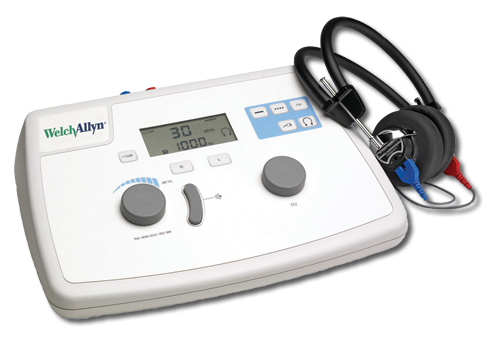
Hearing aids, cochlear implants, and auditory brainstem implants have been the traditional methods for hearing restoration. Hearing aids work by amplifying sound waves to help individuals with mild to moderate hearing loss. Cochlear implants, on the other hand, are electronic devices implanted in the inner ear to provide a sense of sound to those with severe to profound hearing loss. Auditory brainstem implants are similar to cochlear implants but are used for individuals with damage to the auditory nerve. These implants stimulate the brainstem directly.
Although these traditional methods have helped countless individuals, they also come with limitations and challenges. Hearing aids are not suitable for everyone, acting as mere amplifiers and not curing the underlying cause of hearing loss. Cochlear and auditory brainstem implants can have significant surgical risks and complications, such as infections, and require a lengthy and complex recovery process. Additionally, these devices may not provide the same level of sound quality as natural hearing, leading to difficulty in certain situations, such as noisy environments or understanding speech clearly. These limitations highlight the need for innovative and advanced solutions for hearing restoration.
Hearing loss can result from various factors, including genetic mutations and damage to the tiny hair cells within the inner ear that are responsible for detecting sound vibrations. One promising approach to treating hearing loss is through gene therapy, which involves altering or manipulating genes to promote cell repair, regeneration, or the production of essential proteins. Let’s explore the recent developments in genetic research and the potential benefits and challenges of gene therapy for restoring hearing.
Hundreds of genes have been identified as being associated with both hereditary and non-hereditary forms of deafness. These genetic mutations can lead to defects in various cellular structures and processes, such as:
The precise identification and targeting of these gene mutations is a critical step in developing effective gene therapies to treat hearing loss.
Scientists are currently investigating multiple avenues for employing gene therapy to treat hearing loss, including:
Gene therapy offers exciting opportunities for hearing restoration by targeting the root cause of various forms of deafness. Some key advantages of gene therapies include:
However, gene therapy also presents several challenges. These include:
Research in this area is ongoing, and addressing these challenges will be crucial for the successful implementation of gene therapy as an advanced solution for hearing restoration.
Stem cell research has been revolutionary in treating various medical conditions, and hearing loss is no exception. In this section, we explore the role of stem cells in regenerative medicine as a promising avenue for hearing restoration.
Stem cells, derived from adult tissues or embryos, have the remarkable ability to differentiate into various types of cells. This makes them a powerful tool in regenerative medicine, as they can potentially replace damaged cells or structures in the body. In the context of hearing restoration, stem cells may be used to generate new hair cells and supporting cells in the inner ear, which are responsible for sensing sound waves and converting them into electrical impulses that travel to the brain.
There are two primary types of stem cells used in hearing restoration research: embryonic stem cells and induced pluripotent stem cells (iPSCs). Embryonic stem cells possess the ability to differentiate into any cell type while iPSCs are adult cells that have been genetically reprogrammed to take on stem cell-like properties.
Both types of stem cells have been applied in developing treatments for hearing loss. Researchers are currently working on engineering stem cells into functioning hair cells and supporting cells that can be transplanted into the inner ear. This process involves creating a biodegradable scaffold on which the stem cells may grow before being implanted.
During transplantation, researchers often use delivery methods like convection-enhanced delivery (CED), which involves the direct injection of stem cells or growth factors into the inner ear. This method may reduce the risk of damage to the delicate inner ear structures.
Although stem cell-based therapies hold considerable promise for hearing restoration, numerous challenges remain. A primary concern is the difficulty of creating functional hair cells in the laboratory setting. The precise genes, signaling pathways, and developmental processes that govern hair cell development have not yet been fully elucidated.
In addition, the immunological challenges of implanting an allogeneic stem cell product (originating from another individual) within a host patient remain a significant hurdle. Immunosuppressive drugs can be used to prevent the rejection of transplanted cells, but they also come with their own set of side effects and risks.
Despite these challenges, there have been several advances in stem cell-based therapies for hearing restoration. For example, a study published in Stem Cell Reports demonstrated that mouse embryonic stem cells could be differentiated into hair cells and successfully transplanted into the cochlea of a mouse model. The transplanted cells restored some auditory function, but more research is needed to determine the precise mechanisms involved and optimize the procedure for greater efficacy.
One possibility for overcoming the limitations of stem cell-based therapies is using genetically engineered stem cells that incorporate growth factors and adhesion molecules that promote cell survival, engraftment, and integration into the inner ear environment. Such advances may ultimately lead to refined and effective clinical treatments for hearing loss.
Recent advancements in nanotechnology have opened new doors in the field of hearing restoration. Using nanoparticles as mediators for delivering drugs, gene therapy, and stem cells, nanotechnology has the potential to enhance the efficacy and safety of current hearing restoration techniques. Here, we discuss the role of nanotechnology, its applications, and the potential impact on the future treatment options for hearing loss.
Nanoparticles, with their ability to penetrate inner ear tissues directly, offer a promising platform for gene editing and drug delivery. Using specialized nanostructures, researchers are examining a wide array of gene-based therapeutic interventions, like CRISPR-Cas9, that aim to correct genetic mutations responsible for hereditary deafness and hair cell loss. The advantages of nanoparticle-based gene editing include:
In addition to gene editing, nanotechnology offers exciting prospects for drug delivery to the inner ear. Traditional methods of drug delivery face challenges due to the physical limitations of the inner ear, which makes it difficult for drugs to cross the blood-labyrinth barrier. However, nanoparticles have shown promising results in overcoming these barriers, enabling better delivery of drugs like ototopical drugs directly to hair cells.
By using nanoparticles as carriers, the following benefits can be achieved:
Messenger RNA (mRNA) therapies are another frontier of the hearing restoration landscape. This emerging approach uses nanoparticle delivery systems to deliver mRNA molecules, which stimulate the production of proteins required for restoring damaged hair cells and supporting cells. The following benefits can be associated with the use of nanotechnology in enhancing mRNA-based therapies:
While nanotechnology holds enormous potential for better hearing restoration results, certain challenges and limitations can hinder its widespread implementation. These include:
| Challenges/Barriers | Potential Solutions |
|---|---|
| Inadequate understanding of the multi-factorial nature of hearing loss | Greater investments in basic research to elucidate the underlying mechanisms of hearing loss, and identify potential drug targets or genetic pathways |
| High costs associated with nanotechnology development and drug discovery | The development of robust and cost-effective methods for nanoparticle synthesis and characterization, along with improved drug development pipelines |
| Regulatory approval and safety concerns | Development of standardized safety evaluation guidelines and regulatory policies specific to nanotechnology-based drugs and other treatments |
| Ethical and societal issues relating to the use of advanced technologies like nanotechnology in hearing restoration | Establishing transparent guidelines, ensuring adequate consumer understanding, and engaging in open public dialogue to address potential ethical issues associated with these treatments |
Despite these challenges, nanotechnology offers cutting-edge opportunities for the development of novel therapeutics and diagnostics for hearing restoration. By spearheading research collaborations between academia, industry, government, and patient groups, these innovative technologies can become accessible to millions of people suffering from hearing loss worldwide.
One approach to hearing restoration involves the development of drug-based therapies. The goal is to create medications that can promote hair cell regeneration and help protect existing hair cells, thereby restoring or improving hearing loss in patients. Let’s dive deeper into the current progress and challenges of developing these novel drugs.
Hair cells within the inner ear are essential for hearing, as they convert sound vibrations into electrical signals. When these cells are damaged, hearing loss may occur. Researchers are currently exploring various drug candidates that have the potential of promoting hair cell regeneration.
These candidates may help to:
Several novel drug candidates are currently being evaluated, both in clinical and preclinical stages, for their effectiveness in treating hearing loss:
Despite the progress in developing drug therapies for hearing restoration, several challenges and risks remain:
In summary, there is substantial potential for drug-based therapies to play a crucial role in restoring or improving hearing in individuals with hearing loss. However, considerable progress still needs to be made in terms of understanding the mechanisms of hair cell regeneration and developing safe and effective drug therapies. With ongoing research and collaboration between various stakeholders, it is hoped that these challenges will be addressed, leading to the development of innovative drug therapies that can improve the lives of millions of people worldwide who suffer from hearing loss.
Advances in artificial intelligence (AI) and machine learning technologies have the potential to greatly impact the field of hearing restoration. By making use of AI and machine learning algorithms, researchers are developing new methods for predicting hereditary deafness, improving the success of hearing restoration technologies, and refining the understanding of the causes and mechanisms of hearing loss.
One significant use of AI in the realm of hearing restoration is predicting the risk for hereditary deafness. AI can analyze vast amounts of genetic data to identify specific gene mutations or genomic sequences that may contribute to inherited forms of deafness. By doing so, AI-based systems enable early intervention and monitoring for those at risk, which can help prevent or minimize hearing loss.
Additionally, machine learning can be applied to determine the success of hearing restoration treatments. Researchers are developing AI algorithms to analyze various factors such as patient demographics, genetic background, and response to interventions. These algorithms can help identify the most effective treatment options for individual patients, optimizing outcomes and improving the overall efficacy of hearing restoration techniques.
In the realm of research, AI and machine learning have the potential to greatly enrich our understanding of the causes and mechanisms of hearing loss. By analyzing large datasets of patient phenotypes, genomic data, and treatment responses, AI can uncover patterns and correlations that would be difficult for humans to discern. This can lead to new insights into the pathophysiology of hearing loss and guide the discovery of novel therapeutic approaches.
AI can also be utilized in the field of drug development. By analyzing data on the properties, mechanisms, and clinical outcomes of various candidate drugs, AI can help researchers identify promising drug candidates that may have a higher likelihood of success in clinical trials. This can lead to more efficient drug discovery processes and ultimately accelerate the development of new treatments for hearing loss.
In the world of diagnostics, AI has the potential to refine the patient diagnostics process. Machine learning algorithms can be designed to interpret complex diagnostic test results, such as those obtained from imaging studies or genetic tests. These algorithms may provide valuable diagnostic insights or aid clinicians in interpreting the findings, ultimately improving the accuracy and efficiency of diagnosing hearing loss.
As with any emerging technology, the use of AI in hearing restoration is not without challenges and ethical considerations. Ensuring the accuracy, reliability, and transparency of AI-based predictions and recommendations is crucial for the appropriate use of these technologies. Furthermore, ensuring the data privacy and security of the large datasets required for AI and machine learning applications is an important concern.
There are also ethical considerations surrounding the equitable access to AI-powered hearing restoration technologies. Ensuring that these innovative approaches are not only available to a privileged few but are distributed broadly to benefit those with hearing loss worldwide is essential for realizing their full potential.
In conclusion, the role of AI and machine learning in hearing restoration is vast and possesses significant potential to improve diagnostics, predict hereditary deafness, refine treatments, and accelerate drug development in the field. However, it is crucial to address the challenges and ethical considerations surrounding AI use and overcome potential obstacles before these advanced technologies can be fully realized in the practice of hearing restoration.
As we delve into the various innovative techniques that have the potential to revolutionize hearing restoration, it’s essential to consider both the progress made thus far and the challenges that lie ahead. By examining the advancements in gene therapy, stem cell-based techniques, nanotechnology, drug therapies, and AI-assisted approaches, we can better anticipate the future of treating hearing loss.
Several advancements in the field of hearing restoration have already been achieved, opening the door to previously unimaginable possibilities:
Despite these promising advancements, there are still several obstacles in bringing these advanced techniques into mainstream clinical practice:
Bringing these cutting-edge treatments into mainstream clinical practice will require collaboration between various stakeholders, including:
With ongoing research and development, the innovative techniques outlined above have the potential to significantly impact the millions of people worldwide living with hearing loss:
The future of hearing restoration is bright, as innovative methods drive progress in the field of audiology. By addressing the challenges and embracing collaborative efforts, we stand on the brink of breakthroughs that will change the lives of individuals affected by hearing loss worldwide.
Category: Audiology
© 2026 www.audresources.org. All rights reserved.