Hearing loss, a prevalent condition affecting millions worldwide, is the partial or complete inability to hear sounds. It can be a gradual process, often going unnoticed until there’s a significant impact on daily life. This condition is not limited to any specific age group, with both infants and older adults equally susceptible to various forms of hearing impairment.
To comprehend the significance of hearing health, one must recognize that hearing is instrumental in maintaining a connection with the world around us. It facilitates communication, alertness to our environment, and enriches our perception of sounds, from the gentle rustle of leaves to the laughter of loved ones. When hearing declines, these simple pleasures can fade, leading to diminished quality of life.
The stigma often attached to hearing loss can cause individuals to delay seeking help. Society sometimes perceives hearing aids and other assistive devices as a mark of old age or weakness, which further deters people from addressing their hearing issues. However, early identification and management of hearing loss are crucial to mitigate its effects and maintain optimal auditory function.
Regular hearing screenings play a vital role in this endeavor. By identifying hearing loss at its onset, individuals can take appropriate measures to protect and preserve their hearing health. Moreover, timely detection allows for the implementation of effective treatment strategies, which can prevent further deterioration and improve overall quality of life.
Emphasizing the Importance of Hearing Health:
Hearing health’s importance cannot be overstated. It is a cornerstone of social interaction, personal relationships, and professional competence. Studies have shown that untreated hearing loss can lead to social isolation, depression, reduced cognitive function, and an increased risk of accidents due to a reduced ability to perceive environmental sounds.
Furthermore, the impact of hearing loss extends beyond the individual to the broader community. Employers and coworkers may experience the effects of communication challenges, and the need for accommodation or assistance can strain resources. That’s why it’s essential to view hearing health as a public concern, not just a personal one.
In conclusion, understanding hearing loss and the importance of hearing health is the first step toward maintaining and improving our auditory abilities. It’s a journey that requires vigilance, awareness, and the willingness to engage in proactive hearing care. By acknowledging the significance of hearing health, we can take steps to ensure that we continue to enjoy the symphony of sounds that enrich our lives.
Regular hearing screenings are essential in maintaining your hearing health. This process involves a series of tests to determine the ability to hear sounds and understand speech. If you suspect hearing loss or are at risk for developing it, undergoing regular hearing screenings can help you take proactive steps to manage the condition.
When you undergo a hearing screening, you can expect the following steps:
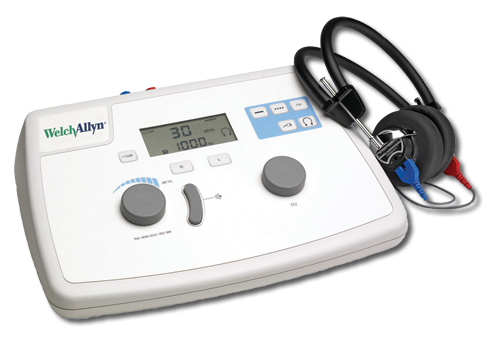
Two common tests used in hearing screenings are pure tone audiometry and speech audiometry. These tests are often conducted using specialized equipment such as audiometers and tympanometers.
This test measures your ability to hear a variety of different pure tones, or frequencies, presented at varying intensities. You will wear headphones or ear inserts and be asked to signal when you hear the tones. The audiologist will measure your hearing sensitivity at multiple frequencies and compare it to the hearing abilities of those with normal hearing.
Speech audiometry focuses on your ability to understand and process speech. The audiologist will present a series of words or sentences at different volumes, and you’ll be asked to repeat them back. This test will gauge how well your brain processes speech and can detect central auditory processing disorders, which impact the way you distinguish and comprehend speech and other sounds.
Regular hearing screenings are recommended for anyone who:
Overall, regular hearing screenings play a crucial role in maintaining your hearing health. By understanding the process and benefits of these screenings and knowing when to undergo them, you can protect your hearing and stay connected to the sounds and conversations that matter most in your life.
Detecting hearing issues early is crucial for effective treatment and management. Timely intervention can significantly improve treatment outcomes and overall quality of life. This section will explore the advantages of early detection and treatment, including preventing further hearing loss, improving communication skills, and enhancing social and professional interactions.
Timely treatment for hearing issues may involve various options, depending on the cause and severity of the condition. Possible treatment options include:
By recognizing and addressing hearing issues early, individuals can increase their chances of experiencing positive treatment outcomes. Regular hearing screenings, along with prompt follow-up with healthcare providers, can help ensure that hearing loss is identified and managed effectively.
Maintaining good hearing health is essential for overall well-being. Regular hearing screenings play a critical role in preventive care, allowing for early detection of any potential issues and enabling individuals to take proactive steps to preserve their hearing.
Our hearing is a sensitive and precious sense that we often take for granted. As with many aspects of our health, prevention is key. By taking steps to protect our hearing and recognizing potential risks, we can reduce the likelihood of experiencing hearing loss and its associated challenges.
Regular hearing checks, even if you do not suspect a problem, can help identify any changes in your hearing. These screenings often involve simple and painless tests that can indicate if there are any auditory concerns that require follow-up care.
| Lifestyle Factor | Impact on Hearing Health | Preventive Strategies |
|---|---|---|
| Noise Exposure | Repeated exposure to loud noises can lead to noise-induced hearing loss. | Use ear protection in noisy environments and limit the volume of personal audio devices. |
| Oral Health | Certain infections and conditions in the ear or head can affect hearing. | Regular dental check-ups and maintaining good oral hygiene. |
| Medications | Some medications, known as ototoxic drugs, can cause hearing loss as a side effect. | Consult with a doctor about the potential risks of medications and alternatives. |
| Physical Health | Chronic conditions like diabetes and high blood pressure can affect hearing. | Managing these conditions through diet, exercise, and medication. |
By understanding the role of lifestyle in maintaining hearing health and implementing preventive measures, individuals can preserve their hearing and enjoy the benefits of clear communication for years to come.
Hearing loss can significantly impact an individual’s communication capabilities, relationships, and overall quality of life. Regular hearing screenings play a crucial role in identifying hearing loss and providing timely intervention. This section will explore how improved hearing can enhance various aspects of life and the role of hearing aids and other assistive devices in enhancing hearing and communication.
A person with hearing loss may struggle to engage in conversations, which can lead to feelings of frustration and isolation. Early detection and treatment of hearing issues can help alleviate these issues and improve the communication between the affected individual and their family and friends. By investing in their hearing health, individuals can work towards maintaining strong connections and fostering healthy relationships.
In professional settings, misunderstandings can occur due to hearing loss, leading to costly mistakes and inefficiencies. Regular hearing screenings can help identify issues early on and promote open communication about any limitations an individual may have. This, in turn, allows team members to adapt and implement strategies to ensure clear communication, resulting in improved performance and outcomes for both individuals and the organization.
At the workplace, an employee with hearing loss can face significant hurdles in achieving their full potential. By addressing hearing issues through early detection and appropriate treatment, employers and employees can work together to mitigate any challenges and ensure a conducive work environment. The use of assistive devices, such as hearing aids and other amplification systems, can help the individual interpret verbal and auditory information more effectively, promoting higher productivity.
In cases where hearing loss is detected and treated early, hearing aids and other assistive devices can play a massive role in improving the individual’s hearing and communication. These devices have evolved significantly over the years and offer features like noise-canceling, directional microphones, and wireless connectivity. It is essential to seek the advice of a hearing professional when selecting and fitting these devices to ensure maximum benefit.
Regular hearing screenings not only benefit individuals but also have significant implications for public health and the economy. Early detection and intervention play a critical role in mitigating the personal and societal impacts of hearing loss.
The economic impact of hearing loss is substantial. According to the World Health Organization (WHO), hearing loss and untreated hearing disorders cost the global economy $750 billion each year in healthcare costs and lost productivity. However, this burden can be alleviated through early identification and management of hearing issues:
For example, a study published in the Journal of the American Geriatrics Society found that adults aged 50 and older who wore hearing aids for at least one year spent 19% less on healthcare services compared to those who did not use hearing aids.
Public hearing screenings programs are particularly important for at-risk populations, such as the elderly and workers exposed to high noise levels. These programs ensure that hearing loss is identified and managed appropriately, thus preventing its progression.
“It is estimated that approximately 50% of cases of hearing loss could be avoided through primary prevention strategies. Community-based screening and early detection are crucial in reducing the global burden of hearing loss.”—World Health Organization
Moreover, the implementation of these programs can lead to:
Throughout this article, we have explored the intricacies of hearing loss, the importance of early detection, and the impact of hearing screenings on overall well-being. It is crucial to recognize that hearing health plays a significant role in our daily lives, affecting communication, personal relationships, and professional interactions.
According to the World Health Organization (WHO), nearly 5% of the world’s population, or 466 million people, have disabling hearing loss.¹ This underscores the need for regular screening to identify any issues early on. Early detection enables timely intervention, which can prevent further hearing loss and enhance treatment outcomes. This is particularly important as hearing loss can often progress gradually, with individuals being unaware of the decline until it significantly affects their daily life.
Better hearing is pivotal to effective communication. It reduces misunderstandings and fosters more meaningful relationships. It also plays a critical role in the workplace, where clear communication is essential for productivity and safety.
Aside from the individual benefits, regular hearing screenings have broader implications for public health and the economy. Early detection and treatment can lead to reduced healthcare costs and increased productivity, as demonstrated by research from Johns Hopkins.² Regular screenings, especially for at-risk populations, are critical in addressing the public health burden associated with hearing loss.
In conclusion, regular hearing screenings are vital for maintaining hearing health. They are not just for those who suspect hearing loss; they are essential for everyone. The evidence is clear: prioritizing hearing health can significantly improve quality of life, communication, and economic outcomes.
Category: Audiology
© 2026 www.audresources.org. All rights reserved.