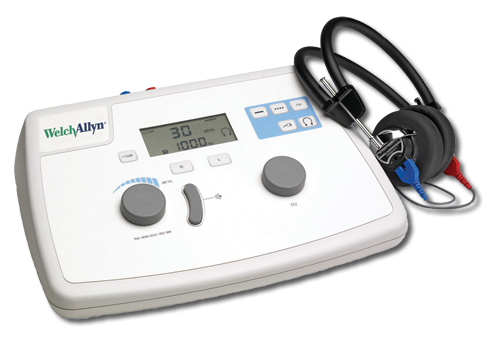
Hearing care services can have various financial implications for patients. The costs often depend on the level of hearing loss and the type of hearing aid device being used. In this section, we will delve into the expenses related to hearing consultation, diagnostic tests, medical evaluations, and hearing aid prices.
Hearing Consultation: A hearing consultation is typically the first step in assessing a person’s hearing ability. During the consultation, a healthcare professional will assess the patient’s hearing history, symptoms, and any concerns they may have. The cost of a hearing consultation varies between professionals, but generally falls within the range of $50 to $150.
Diagnostic Tests: If a hearing issue is suspected after the consultation, the patient may need to undergo diagnostic tests. These tests involve examinations such as audiometry to determine the extent of hearing loss and any potential underlying causes. The costs of these tests depend on their complexity and can range from $100 to $500 or more.
Once the diagnostic tests are completed, a medical evaluation may be required to confirm any diagnoses and recommend treatment options. The costs of such evaluations range from $150 to $500. As hearing aids are often recommended for treatment, it is essential to examine their costs as well.
Hearing Aid Prices: Hearing aids can be priced anywhere between $1,000 to $6,000 per device. The price variations arise due to the different types, brands, and features available in hearing aids. In addition to the device’s cost, patients may incur additional expenses for accessories like batteries, cleaning tools, and drying kits, which typically cost around $150 to $250 annually.
Apart from the direct costs associated with hearing care services, several other factors can impact overall expenses. Patients may need ongoing maintenance and upgrades for their hearing aids, potentially adding around $50 to $150 annually, depending on the type and brand of the device.
Moreover, the severity of hearing loss and the patient’s specific hearing needs can influence the overall costs of hearing care services. For instance, more severe hearing loss may require more complex or advanced hearing aids that come with a higher price tag. Ultimately, the financial implications of hearing care services will vary significantly depending on the individual’s unique circumstances and requirements.
This section of the article aims to provide a comprehensive overview of the types of insurance providers and financial assistance options available for individuals seeking hearing care services. It will cover the various ways insurance coverage can help mitigate the costs of hearing aids and related services, as well as alternative financial assistance programs for those in need.
Insurance can be a crucial factor in reducing the financial burden of hearing care services. There are three main types of insurance providers to consider:
In addition to insurance coverage, there are various financial assistance programs and low-cost clinics that can provide support for hearing care services. Here are a few options:
Navigating the complexities of insurance coverage and financial assistance options can be daunting, but with thorough research and guidance from healthcare providers, finding affordable hearing care is possible. Reach out to support organizations, obtain reliable information about your insurance coverage, and make use of the available resources to achieve the best hearing care possible within your budget.
For children and special groups, such as veterans and individuals with low income, there are numerous programs and resources in place to assist with hearing care expenses. This section will provide a comprehensive list of organizations that offer financial assistance for hearing aids, educational programs, and supporting services for children with hearing loss.
It is essential to research the prerequisites for each program before applying, as requirements and availability may vary. In addition, reaching out to support organizations can be invaluable for staying informed and connected to the latest information and assistance options.
Receiving quality hearing care services can be both a challenging and expensive endeavor. As a result, it is essential to learn how to negotiate costs and obtain discounts where possible, as well as explore different payment options. In this section, we will provide practical tips on how to make your hearing care expenses more manageable by discussing payment plans, interest-free financing, and flexible spending accounts with professionals in the field.
Audiologists and hearing aid providers often offer payment plans to help alleviate the financial strain of purchasing and maintaining hearing aids. Be open and honest about your budget, and inquire about any available installment plans. Discussing a payment plan that suits your financial situation can help reduce the overall burden.
Some hearing aid providers offer interest-free financing options to make payments more manageable. By spreading out the cost over a period of time, you can experience significant savings while keeping the financial strain minimal. Do not hesitate to ask your audiologist or hearing aid provider about these options and whether you qualify.
Flexible spending accounts (FSAs) are special accounts offered by employers that allow employees to set aside pre-tax dollars for healthcare expenses, including hearing care. To take advantage of this benefit, consult with your human resources department to determine eligibility and how to allocate funds for future hearing care expenses.
Before deciding on a hearing care provider, it is crucial to compare prices and read contracts carefully to protect yourself from hidden fees or predatory practices. Look for both the itemized cost and coverage details in the contract, checking for any additional charges for services like professional cleaning or hearing aid fittings.
When comparing prices, research multiple providers and inquire about their base prices, upgrades, and additional services. Create a list of these factors and compare them side by side to make an informed decision.
Unfortunately, some unscrupulous hearing aid dealers may attempt to take advantage of vulnerable individuals. Be wary of aggressive sales tactics, misleading claims, or scare tactics that urge you to make a quick decision. Always research a dealer before making a purchase, check for any customer complaints, and seek recommendations from trusted sources.
In conclusion, negotiating affordable hearing care requires due diligence and attention to detail. By discussing payment plans and financing options with your audiologist, researching flexible spending accounts, and comparing prices and contract details from multiple providers, you can enjoy a more accessible and cost-effective hearing care experience. As a savvy consumer, be cautious of predatory practices and seek reliable information and assistance to ensure your financial well-being.
In addition to traditional hearing aids, there are alternative solutions available to address hearing loss. This section will delve into the financial aspects of cochlear implants, bone-anchored hearing aids, and assistive listening devices, as well as their eligibility criteria, insurance coverage limitations, and potential hospitalization expenses.
Cochlear implants are a more advanced option for individuals with profound hearing loss. The device is surgically implanted and bypasses the damaged portions of the cochlea to directly stimulate the auditory nerve.
| Aspect | Costs |
|---|---|
| Device | $20,000 – $30,000 for the implant, per ear |
| Surgery | $5,000 – $10,000 |
| Post-surgery care | $1,000 – $3,000 |
| Programming appointments | $100 – $200 per visit |
| Insurance Coverage | Varies by provider, some cover full costs, others only partially |
Cochlear implants are usually covered by private insurance, although the extent of coverage and deductible amounts can vary significantly. Medicaid may also cover cochlear implants under certain conditions, while Medicare generally does not.
Bone-anchored hearing aids are another alternative for certain types of hearing loss. By transmitting sound vibrations directly to the cochlea, these implants require a surgical procedure and an external sound processor.
| Aspect | Costs |
|---|---|
| Device | $3,000 – $10,000 |
| Surgery | $5,000 – $10,000 |
| Programming appointments | $100 – $200 per visit |
| Insurance Coverage | Varies by provider, some cover full costs, others only partially |
Insurance coverage for bone-anchored hearing aids can be similar to cochlear implants. It is important to check with the insurance provider to determine specific coverage details.
Assistive listening devices come in various forms and styles and serve to amplify sounds in specific settings, such as theaters or classrooms. Examples of assistive listening devices include FM systems and personal amplification devices.
| Aspect | Costs |
|---|---|
| Device | $50 – $2,000 (depending on the type and complexity of device used) |
| Service Providers | $100 – $300 for initial consultation and setup |
| Insurance Coverage | Often not covered by insurance |
In conclusion, alternative hearing solutions like cochlear implants, bone-anchored hearing aids, and assistive listening devices provide unique benefits and come with a significant price tag. While insurance coverage varies, it’s crucial to research your options to ensure the best outcome for your hearing and financial situation.
As advancements in technology continue to shape the hearing care industry, understanding the long-term financial implications becomes increasingly crucial. It’s essential to consider the future costs associated with maintaining and updating hearing aids, as well as the potential impact of new technologies on hearing care costs.
To ensure optimal hearing health, periodic hearing tests and reevaluations are necessary. The frequency of these tests may vary depending on personal circumstances and hearing loss levels. Generally, individuals with mild hearing loss may require evaluations every one to three years, while those with moderate to severe hearing loss may need more frequent evaluations annually or bi-annually. The costs associated with these follow-up appointments and hearing tests should be taken into account when planning long-term budgets.
Proper fitting and regular cleanings are crucial to ensure hearing aids perform as intended. Professionals typically recommend that users have their hearing aids professionally cleaned by an audiologist every six months. While this may not yield significant expenses in the short term, the long-term costs for these services should be considered when preparing for the full scope of hearing care expenses.
Another long-term cost to consider is the replacement of hearing aids. The lifespan of these devices varies depending on factors like usage, maintenance, and the technology integrated into the product. On average, hearing aids last between three to seven years. This lifespan may be relatively shorter for advanced, feature-rich models due to the rapid pace of technological advancements. As hearing aids age, the risk of malfunctions and required repairs increases, which can also add to the overall cost.
As previously mentioned, the hearing aid industry is consistently evolving with new technological advancements. Greater connectivity, increased processing power, and a focus on artificial intelligence (AI) are just a few examples of how technology could shape the future of hearing aids. While being at the forefront of these innovations can certainly be beneficial, their costs and insurance coverage may also create uncertainty in patients’ long-term financial planning.
For example, the integration of AI into hearing aids may introduce new costs for ongoing software updates and feature enhancements, while also driving down the costs of traditional models. As consumers, understanding these trends in the market is essential for informed decision-making and planning for future expenses.
Like any other market, the hearing aid industry is influenced by the forces of supply and demand. An increase in product offerings and brand competition can lead to potential price reductions. For consumers, this means the financial landscape might evolve in a manner that could result in more affordable hearing care solutions.
A case in point is the emerging ‘direct-to-consumer’ hearing aids market, which aims to provide lower-cost options and bypass traditional audiologist appointments. While these options may not necessarily cater to severe hearing loss cases, their development could influence the broader market and encourage more price-competitive traditional hearing aids.
With all these factors in mind, it’s essential for individuals seeking hearing care to continually assess their financial priorities and options. By understanding the potential implications on their budget, patients can make better-informed decisions to optimize their hearing health while managing out-of-pocket costs.
After exploring the various financial aspects of hearing care, it’s time to summarize and provide recommendations for managing these expenses effectively. Hearing healthcare services can be costly, but with proper planning and awareness of available options, individuals can make informed decisions that balance both quality care and affordability.
One of the first steps in managing hearing healthcare costs is connecting with support organizations that can provide valuable resources and information. These organizations may offer assistance in the form of financial support, educational materials, and personalized advice for your specific situation.
Understanding your insurance coverage is essential for managing hearing healthcare costs effectively. This includes being aware of what your insurance policy covers, any limitations or exclusions, and available resources for assistance.
For example, some private insurance providers and government programs like Medicaid and Medicare may cover certain hearing-related services, while others may not. To understand your insurance coverage, you can:
Additionally, keep an eye on any policy changes that may impact your hearing healthcare coverage, as new legislation and innovations in the industry can regularly influence insurance plans.
To minimize expenses and find the best deals on hearing healthcare services, consider implementing the following cost-saving measures:
In conclusion, while hearing care services can be costly, there are numerous resources and strategies available to help individuals manage these expenses effectively. By connecting with support organizations, understanding your insurance coverage, and implementing cost-saving measures, you can achieve the best possible care for your hearing needs while minimizing out-of-pocket expenses.
Category: Audiology
© 2026 www.audresources.org. All rights reserved.