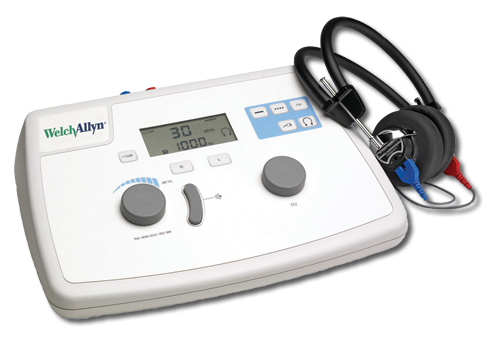
Audiologists have, over the years, emerged as key players in ear surgery teams across various medical institutions. As modern technology continues to advance and bring about significant improvements in the healthcare industry, so too has the role of audiologists grown in importance, particularly within the realm of ear surgery teams. These professionals are essential in providing support and assistance throughout the entire surgical process – from preoperative assessment and planning to real-time audiological management during the surgery, and finally, postoperative care and rehabilitation.
Audiologists are specialized experts in the field of audiology, boasting extensive training and knowledge in evaluating, diagnosing, and treating hearing loss and other hearing-related disorders. Their skills, honed through years of experience and education, enable them to identify subtle changes in a patient’s hearing capabilities, paving the way for more informed surgical planning and better predictions of surgical outcomes. This expertise plays a crucial role in the success and effectiveness of any ear surgery, as audiologists can provide essential insights and assistance to the surgical team, thus contributing to better overall patient outcomes.
In addition, audiologists are actively engaged in both preoperative and postoperative care of patients, ensuring that their hearing is closely monitored and appropriately managed. This multidisciplinary involvement in the surgical process highlights the growing importance of audiologists within ear surgery teams and emphasizes the role they play in providing the highest level of care to patients experiencing hearing-related issues.
The success of ear surgeries largely depends on the seamless collaboration between the lead surgeon and the audiologist who are involved in the patient’s care. A foundation of trust, mutual respect, and effective communication is the cornerstone of a fruitful partnership between the two medical professionals.
From initial assessments to post-surgery rehabilitation, audiologists and surgeons must work as a cohesive team to ensure the best possible outcomes for their patients. The audiologist’s expertise in understanding the intricacies of hearing and its related disorders is invaluable for the surgical team, helping them to develop a patient-specific treatment plan that takes hearing health into careful consideration.
Preoperative care is critical for anticipating potential audiology complications and minimizing risk during the surgery. An audiologist will collaborate with the surgeon to create tailor-made preoperative protocols, conduct comprehensive hearing tests and assessments, and present their findings back to the surgical team. This data aids the surgeons in adapting their technique and being better prepared to navigate any possible hurdles during the operation.
Not only do audiologists use their skillset to enhance preoperative planning, but they also play a vital role during the surgery. As surgeons work to repair or reconstruct the ear, audiologists are often present in the operating room to monitor hearing in real-time, provide ongoing assessment, and alert the surgical team to any significant changes or irregularities. This collaboration ensures that audiology complications can be addressed immediately, potentially saving the patient’s hearing and preventing unnecessary revisions or follow-up surgeries.
As patients recuperate from their surgery, audiologists and surgeons continue to collaborate in the postoperative phase, working together to manage recovery and healing progress. Audiologists provide essential rehabilitation services such as hearing aids, cochlear implants, or other auditory aids, while surgeons ensure that the surgical site is healing properly. Establishing a patient-centered approach to postoperative care that combines the expertise of both professionals leads to better outcomes and overall patient satisfaction.
A crucial aspect of any successful medical partnership is raising public awareness and educating the wider population about important health matters. Audiologists, as experts in hearing health and audiological practice, can play an invaluable role in this process. This involvement could come in the form of community education programmes, online resources, and support groups, which could have a significant impact on improving public health and minimizing the prevalence of avoidable hearing loss.
By working together, audiologists and surgeons foster a climate of mutual understanding, efficient communication, and respect for one another’s expertise. Such collaboration is crucial for achieving optimal patient outcomes, enhancing the overall experience for the patient and reinforcing the vital role that audiologists play within ear surgery teams.
The role of audiologists in ear surgery teams is indispensable, especially in the process of preoperative assessment and planning. They play a vital part in determining a patient’s hearing ability and predicting the success of surgery, as well as creating patient-specific protocols for monitoring hearing during and after surgery. This section will delve deeper into the various assessments and planning techniques utilized by audiologists to contribute effectively in ear surgery team.
Audiologists perform a range of auditory assessments to evaluate a patient’s hearing abilities. Some common assessments include:
Audiologists work closely with the surgical team to establish customized protocols for each patient. This involves developing detailed plans for monitoring and assessing hearing before, during, and after the surgery. The information gathered from auditory assessments allows audiologists to tailor these protocols to each patient’s unique hearing characteristics.
By performing thorough preoperative assessments and contributing to the planning process, audiologists play a crucial role in ear surgery teams. Their expertise in the field of audiology ensures that the information gathered contributes to better patient outcomes by predicting surgical success and minimizing potential risks to the patient’s hearing.
Audiologists are essential members of the surgical team and play a crucial role during ear surgeries. Their involvement begins in preoperative assessments, extends to real-time monitoring, and even includes adjusting devices as needed during the procedure. This ensures the patient remains comfortable and safe throughout the surgical process.
| Audiologist’s Role | Importance |
|---|---|
| Monitoring hearing throughout the procedure | Helps elucidate changes in hearing to the surgical team |
| Providing real-time evaluation of hearing | Allows surgeons to make necessary adjustments and mitigate potential auditory damage |
Audiologists working with surgical teams ensure that patients’ hearing health remains a priority throughout the surgical process. Additionally, they contribute to the overall outcome by communicating relevant information to the surgical team.
In some cases, audiologists may need to adjust devices like hearing aids or cochlear implants during the surgery. This is to ensure patient comfort and safe outcomes. For example, a sudden change in hearing levels might necessitate adjusting a cochlear implant to maintain optimal function post-surgery.
In summary, audiologists play a vital role during ear surgeries by providing preoperative assessments, monitoring and managing hearing throughout the procedure, and adjusting patient devices as needed. Their involvement ensures patients receive comprehensive care while addressing potential hearing-related issues, which contributes to better patient outcomes and overall satisfaction.
After surgery, patients require comprehensive support and care to recover and rehabilitate optimally. Audiologists play a critical role in this process, providing essential auditory rehabilitation services tailored to each patient’s needs. Some of these services may include prescribing and fitting hearing aids, cochlear implants, assistive listening devices, or recommending sound therapy programs.
Audiologists offer a wide range of services to help patients recover their hearing and communication abilities after surgery. Here is an overview of some of the key areas they cover:
A successful postoperative care plan relies heavily on effective communication between audiologists, surgeons, and patients. Collaboratively working together, these professionals can stay informed about the patient’s progress, needs, and potential concerns, which ultimately contributes to better outcomes and satisfaction.
Audiologists not only provide the necessary assistance to patients but also serve as a bridge between surgeons and their patients, advocating for their needs and providing essential support. As the central point of contact for hearing-related matters, audiologists can facilitate the collaborative and multidisciplinary approach necessary for successful rehabilitation.
By actively participating in the postoperative care and rehabilitation process, audiologists demonstrate their commitment to improving their patients’ quality of life and ensuring the best possible outcomes following ear surgery.
With the field of audiology continuously evolving due to advancements in research, technology, and treatment options, there is a growing need for audiologists to play a more significant role in ear surgery teams. Modern-day patients demand effective collaborative medical approaches, and the inclusion of audiologists in these teams ensures better patient outcomes and overall satisfaction.
As the health care industry seeks to adopt more integrated and multidisciplinary care models, the role of audiologists in ear surgery teams continues to grow significantly. Audiologists bring their expertise in diagnosing and treating hearing disorders and enhancing communication among all parties involved, including surgeons and patients.
An increased collaboration between audiologists and surgeons brings certain challenges and opportunities. According to a study published in the International Journal of Healthcare Innovation and Quality Leadership, the primary challenges in the integration of audiologists into ear surgery teams are miscommunication, lack of consistent communication channels, and differences in perception of their roles. However, the study also highlights several opportunities, such as improved patient outcomes, greater satisfaction with the interdisciplinary collaboration, and the acquisition of new skills for both audiologists and surgeons.
To overcome these challenges, health care institutions should focus on fostering authentic relationships between audiologists and surgeons. This can be achieved through regular team meetings, open dialogue, and the development of standard protocols and guidelines for audiologists’ involvement in ear surgery teams.
As technology continues to advance, we can expect enhanced tools and methods for audiologists to contribute to patient care in ear surgery teams. For instance, a more personalized approach to patient management can be realized through the application of predictive modeling, biomarker discovery, and data-driven diagnostics, improving both preoperative and postoperative care.
In summary, the future of ear surgery teams will be characterized by a greater involvement of audiologists to enhance patient outcomes, satisfaction, and overall well-being. The role of audiologists will become even more critical as integrated and multidisciplinary care models become mainstream in the health care industry. Health care institutions must recognize this evolving landscape and strive to foster meaningful collaboration between audiologists, surgeons, and other professionals involved in the care continuum.
Audiologists play a vital role in not only assessing, diagnosing, and treating hearing disorders but also in raising public awareness and education about the importance of ear health. With their expertise in the field of audiology, they are in a unique position to inform and educate the public on hearing-related issues, prevention methods, and available treatment options. This can lead to early detection and treatment of hearing problems, ultimately resulting in better surgical outcomes and improved quality of life.
Here are some ways audiologists can contribute to public awareness and education efforts:
Audiologists can organize and participate in community seminars, workshops, and informational sessions to educate the public about important ear-related health matters, hearing loss prevention, and available treatment options. They can use these events to share their knowledge and expertise, answer questions, and provide guidance on how to maintain good ear health.
Some examples of topics audiologists can discuss during these events include:
Audiologists can create and share online resources providing information on ear health, hearing loss, and treatment options. These resources can include articles, blog posts, infographics, and videos that are easy to understand and share on social media platforms.
Some examples of online resources audiologists can create include:
Audiologists can also organize or participate in support groups for individuals with hearing loss or their families. These groups can provide a safe and supportive environment for individuals to share their experiences, offer and receive advice, and learn from others with similar experiences.
By actively participating in public awareness and education efforts, audiologists can play a critical role in improving the overall health and well-being of their communities. With their expertise in identifying, assessing, and treating hearing disorders, they can share valuable knowledge that has the potential to prevent avoidable hearing loss and contribute to better patient outcomes.
Category: Audiology
© 2026 www.audresources.org. All rights reserved.