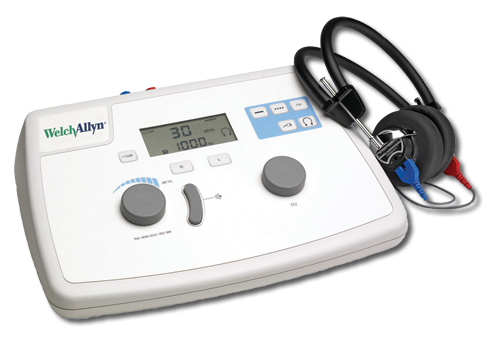
Audiological conditions refer to a range of disorders and impairments related to the auditory system. These conditions can affect various aspects of an individual’s life, from their ability to communicate effectively to their overall quality of life. In order to better manage and treat audiological conditions, it is essential to first understand what they are and the different types that exist.
The term “audiological conditions” is used to describe a wide range of hearing-related issues. These can range from mild hearing loss, where an individual may have difficulty hearing certain frequencies, to profound deafness, where an individual is unable to hear any sounds at all. Other types of audiological conditions can include tinnitus (a ringing or buzzing in the ears), hyperacusis (an increased sensitivity to certain sound frequencies), and vestibular disorders (issues with balance and equilibrium).
The impact of audiological conditions on daily life can be profound. Individuals with hearing loss may struggle to communicate effectively, especially in noisy environments or when talking on the phone. This can lead to feelings of frustration and isolation, affecting their relationships and social life. Additionally, audiological conditions can have a significant impact on an individual’s safety, as they may have difficulty hearing warning signals or other important sounds in their environment.
Moreover, the burden of hearing loss touches all aspects of life – education, development, social relationships, and mental health. Tinnitus can significantly impair a person’s concentration, sleep quality, and general health; vestibular disorders may cause dizziness and imbalance, sometimes leading to falls and injury.
By understanding the basics of audiological conditions, individuals can better advocate for themselves and seek the appropriate treatment and support they need to manage their condition and maintain a high quality of life. This might involve using hearing aids, cochlear implants, or other assistive listening devices, undergoing speech therapy or other communication support, making lifestyle changes, or engaging in integrative therapy options that address the root causes and potential contributors to the condition.
Holistic health is an approach to well-being that emphasizes the interconnectedness of various aspects of a person’s life and their overall health. It aims to address not only physical health but also emotional, social, and spiritual well-being. In the context of audiological conditions, a holistic approach takes into account the multifaceted nature of hearing issues and seeks to manage and improve them through a variety of complementary strategies.
Holistic approaches play a significant role in audiological care by focusing on the whole person rather than just the audiological condition. This means considering the individual’s lifestyle, stress levels, environmental factors, and dietary habits alongside traditional medical treatments. The holistic approach recognizes that these factors can either exacerbate or alleviate audiological conditions, and by addressing them, a more comprehensive and effective treatment plan can be developed.
The benefits of integrating holistic approaches with traditional medical care for audiological conditions are multifold. Holistic practices can complement medical treatments, often reducing the need for medication and invasive procedures, while also improving overall health and well-being. They can provide additional support and relief for those living with audiological conditions, enhancing their ability to cope with symptoms and increasing their quality of life. Holistic therapies can empower individuals to take an active role in managing their condition, fostering a sense of control and self-management that is essential for long-term health.
In summary, holistic approaches to managing audiological conditions offer a comprehensive and personalized means of improving and maintaining hearing health. They emphasize the importance of a balanced lifestyle and proactive interventions to complement standard medical treatments, resulting in a more integrated and effective care plan for those with hearing concerns.
Understanding the root causes of audiological conditions is crucial for developing effective treatment plans. By pinpointing the factors contributing to these conditions, professionals can create personalized strategies to manage or even prevent their impact on daily life.
A variety of factors can contribute to audiological conditions. Some of the most common include:
Lifestyle changes play a significant role in managing and preventing audiological conditions. Some of the most effective lifestyle modifications include:
No two individuals are alike, so treatment plans should be tailored to address each person’s unique needs and circumstances. A comprehensive approach to care might include:
By taking the time to understand and address the root causes of audiological conditions, individuals can enjoy improved hearing and overall well-being.
Integrative therapies are becoming increasingly popular in the treatment of audiological conditions. These therapies aim to provide a comprehensive and personalized approach to healthcare by combining conventional treatments with alternative and complementary therapies. This comprehensive approach helps to address the root cause of the condition, provide relief from symptoms, and promote overall well-being. Let’s explore this further by discussing the overview of integrative therapies, commonly used ones for treating audiological conditions, and selecting the right integrative therapy approach based on individual needs.
Integrative therapies revolve around the concept of treating the whole person, rather than just the disease or symptoms. It combines various elements of conventional medicine with complementary and alternative medicine (CAM) to create a complete treatment program that addresses the body, mind, and spirit. By incorporating different modalities of care, integrative therapies aim to provide a well-rounded and personalized approach to maintaining or improving overall health, enhancing the quality of life, and promoting healing.
There are a multitude of integrative therapies that can be used to help manage and treat various audiological conditions. Some of the most common treatments include:
When choosing an integrative therapy approach for treating audiological conditions, it is essential to consider the individual’s needs. Factors to consider may include the specific audiological condition, personal preferences, any underlying health issues, and previous treatment experiences. Working closely with healthcare professionals, including audiologists and integrative practitioners, can help ensure that the chosen therapy is safe, effective, and tailored to the patient’s unique needs.
In conclusion, integrative therapies offer a versatile and personalized approach to treating audiological conditions. By combining traditional treatments with complementary and alternative options, patients can manage symptoms, address the root cause of their conditions, and enhance their overall well-being.
udiological health plays a significant role in our overall wellbeing. It refers to the ability to hear and process sounds effectively. Studies have shown that our dietary habits can have a considerable impact on our hearing and overall auditory system. Understanding the relationship between diet and audiological health could help in making informed decisions about the foods we eat, potentially improving hearing capabilities.
Consuming particular nutrients and vitamins has been shown to support auditory health:
While a well-balanced diet rich in the above nutrients can significantly impact our hearing capabilities, nutritional supplements can help fill any gaps in nutrition, especially for individuals who may struggle to obtain these nutrients from their daily diet.
When considering nutritional supplements, it’s crucial to consult with a healthcare professional to determine the appropriate dosage and which supplements may be most beneficial for your specific audiological condition.
Incorporating a balanced diet and discussing potential nutritional supplements with a healthcare professional can help ensure your hearing and overall audiological health are well cared for, leading to a better quality of life.
Physical activity plays a crucial role in both preventing and managing audiological conditions. Engaging in regular exercise can help maintain overall health and prevent the onset of various health conditions, including audiological issues. In this section, we will explore the benefits of physical activity for audiological health, specific exercises that can benefit individuals with audiological conditions, and developing an exercise plan tailored to audiological health needs.
Regular physical activity has been shown to have a positive impact on overall health, including audiological health. Exercise improves blood flow, which is essential for delivering oxygen and nutrients to the ear, potentially helping to prevent or delay the onset of hearing loss. Additionally, physical activity can help manage stress, which may contribute to tinnitus, a persistent ringing or buzzing in the ears.
Various exercises can help improve blood flow and support audiological health. Some of these exercises include:
It is important to consult with a healthcare professional before starting any new exercise regimen, particularly if you have existing health conditions or concerns.
Creating a well-rounded exercise plan that focuses on both cardiovascular and strength-training exercises can yield the best results for audiological health. Incorporating flexibility and balance exercises can also help prevent injuries and further support overall health. To develop an effective exercise plan, consider these steps:
By incorporating regular physical activity into your routine, you may be able to improve your overall health and support audiological health in the process. Remember to consult with a healthcare professional before starting any new exercise regimen, especially if you have existing health concerns or conditions.
Effective management of audiological conditions extends beyond medical treatments. Adopting holistic strategies that address overall well-being can significantly contribute to improving audiological health and preventing its decline. These strategies encompass various aspects of life, including mental health, stress management, and healthy lifestyle choices.
Chronic stress has been linked to various health issues, including hearing loss. Implementing stress management techniques can be beneficial for overall well-being and audiological health.
Making certain lifestyle changes can positively impact hearing health.
Professional audiological care is crucial in managing audiological conditions. Audiologists are trained to diagnose and treat hearing impairments and can provide personalized care plans.
Living with audiological conditions can be challenging, and it’s essential to have coping strategies in place.
By adopting a holistic approach to managing audiological conditions, individuals can improve their quality of life and prevent further decline in their hearing health. It’s important to remember that each individual’s journey is unique, and personalized care plans are key to successful management of audiological conditions.
Category: Audiology
© 2026 www.audresources.org. All rights reserved.