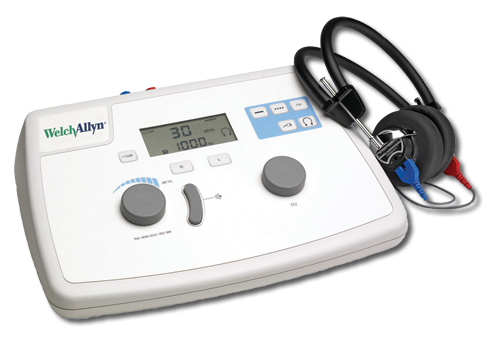
Audiologists are essential members of multidisciplinary teams working on speech and language therapy. Their crucial role involves assessing and managing hearing-related aspects of communication disorders. By identifying and addressing any hearing impairments, audiologists can significantly contribute to the overall success of speech and language therapy, improving the quality of lives for individuals with speech and language impairments.
Working closely with speech-language pathologists (SLPs), audiologists provide vital information about an individual’s hearing capabilities. Detailed hearing assessments allow therapists to develop targeted treatment plans designed to address any hearing-related concerns. In turn, speech and language communication skills are enhanced, and the individual’s overall therapy success rate improves.
Moreover, audiologists work together with SLPs to identify any auditory processing disorders that may affect speech and language development. By handling these disorders, audiologists lay the groundwork for effective speech and language therapy, ultimately improving the individual’s communication skills and quality of life. In conclusion, the importance of audiologists in the field of speech and language therapy cannot be understated, as they hold a key position in providing essential hearing assessments and support for individuals with communication disorders.
The partnership between audiologists and speech-language pathologists (SLPs) is crucial in addressing communication disorders effectively. This multidisciplinary approach brings together professionals with complementary skills and knowledge to improve outcomes for individuals with speech and language impairments.
Auditory processing disorder (APD) is an essential factor that affects speech and language development. Audiologists have specialized training in identifying, assessing, and managing hearing and auditory processing disorders. Addressing these issues helps improve the effectiveness of speech and language therapy. Conversely, SLPs specialize in treating speech and language problems resulting from various sources, such as auditory processing disorders, developmental delays, and acquired brain injuries.
Together, audiologists and SLPs develop a comprehensive understanding of a client’s communication disorders and collaborate to design a tailored treatment plan. The collaborative relationship between audiologists and SLPs leads to:
In many cases, successful outcomes have been observed when audiologists and SLPs work together in addressing clients’ communication issues. For example:
Situation 1: A child diagnosed with APD experiences difficulty in understanding spoken language or distinguishing faint speech sounds. By collaborating, an audiologist and an SLP can accurately identify the auditory processing deficits and develop targeted therapy plans for the child.
Situation 2: An adult with hearing loss may feel socially withdrawn or struggle to navigate conversations. By working together, an audiologist can recommend and fit appropriate hearing aids, while an SLP can address residual speech and language difficulties resulting from the hearing loss.
These examples demonstrate that the synergy between audiologists and SLPs can significantly contribute to improved therapies and ultimately enhance the quality of life for individuals with speech and language impairments.
In conclusion, the partnership between audiologists and SLPs in the treatment of speech and language disorders plays a crucial role in achieving improved outcomes for clients. The combined efforts of these professionals result in comprehensive and focused therapy plans, ultimately leading to positive life changes for individuals with communication disorders.
Auditory assessment is a crucial component of speech and language therapy that helps identify individuals’ hearing impairments. By conducting comprehensive audiological assessments, audiologists can determine the specific nature and degree of any hearing-related issues, laying the foundation for targeted therapeutic interventions. Several methods are employed to evaluate hearing, such as pure-tone audiometry, speech audiometry, and tympanometry.
Pure-tone audiometry is used to measure an individual’s ability to hear pure tones at various frequencies and intensities. This test allows audiologists to pinpoint any hearing loss and determine the type and severity of it. During this assessment, the individual wears headphones and is asked to indicate when they hear a tone. By analyzing the results, audiologists can draw a graph called an audiogram, which visually represents the individual’s hearing capabilities.
Speech audiometry involves assessing an individual’s ability to understand speech at different volumes. This evaluation typically occurs in both quiet and noisy environments, shedding light on individuals’ speech comprehension levels in various communication scenarios. Speech signals are analyzed to determine speech reception thresholds and the individual’s ability to discriminate between similar speech sounds, which are essential for speech and language development.
Tympanometry is a test used to examine the middle ear function by measuring the eardrum’s mobility and assessing the status of the middle ear system. A safe, gentle pressure is applied to the ear’s outer part while a series of tones are played to obtain an accurate measurement of how the eardrum moves. This test helps to diagnose middle ear disorders, hearing impairments, and otitis media, all of which can significantly impact speech and language development.
Accurate audiological assessment is paramount in enabling the early detection of the hearing impairments and cochlear implantation impairments that can interfere with speech and language development. Identifying issues early allows for timely interventions that ultimately optimize a person’s ability to communicate. For example, knowing that a child has difficulty hearing high-pitched sounds could help their speech-language pathologist tailor therapy to focus on expanding their auditory experience in the higher frequency range and promoting the development of their speech and language skills.
In conclusion, audiological assessment plays a vital role in speech and language therapy. The information gathered helps inform the treatment plan, ensuring that interventions are targeted and effective. By utilizing a range of audiological assessment methods like pure-tone, speech, and tympanometry evaluations, audiologists contribute to the multidisciplinary team’s overall success in improving the communication skills and quality of life for individuals with hearing-related disorders.
Audiologists play a significant role in supporting speech and language development by employing various intervention and therapy techniques. These methods focus on enhancing the individual’s ability to process and communicate information by either improving hearing capacity or addressing specific challenges associated with hearing. In this section, we will explore some of the techniques audiologists use to improve speech and language skills.
Audiologists conduct thorough assessments to determine the level of hearing loss a person suffers from, which aids in the selection of appropriate hearing devices. They specialize in fitting, adjusting, and maintaining hearing aids or cochlear implants based on the individual’s specific needs.
Hearing aids help amplify sounds in the environment, making it easier for individuals with hearing loss to pick up speech and understand verbal communication. Conversely, cochlear implants are surgically implanted devices that can directly stimulate the auditory nerves, bypassing damaged hair cells within the inner ear. Audiologists collaborate with professionals in other specialties, such as otolaryngologists, to ensure a successful implantation procedure.
Audiological training is a procedure that improves an individual’s listening, understanding, and processing of speech. The approach involves various techniques, such as speechreading, listening exercises, and phonetic drills, which help individuals develop their auditory skills. Trainees learn to recognize sounds, distinguish speech from background noise, and focus on specific spoken language elements.
Audiologists also provide counseling services to individuals and their families, addressing concerns related to the emotional impact of hearing loss and offering strategies to improve daily communication. This may include advice on coping with hearing loss, using assistive devices, and teaching family members and carers how to communicate effectively with the individual affected.
Aural rehabilitation focuses on improving an individual’s ability to communicate by enhancing listening and speech skills through training, education, and counseling. Various interventions such as group therapy or auditory rehabilitation programs are designed to help individuals address communication challenges effectively.
Implementing audiological techniques ensures that individuals have access to accurate assessments and cutting-edge assistive technology, increasing the potential for improved communication. The involvement of audiologists in speech and language therapy ensures a comprehensive, interdisciplinary approach that addresses the complex needs of individuals with hearing impairments.
The collaboration between audiologists and other specialists enables healthcare teams to deliver targeted, effective intervention and therapy plans, improving outcomes for individuals seeking speech and language therapy.
Auditory processing disorders (APD) significantly impact speech and language development, often leading to difficulties in understanding and processing auditory information. As such, audiologists play a crucial role in diagnosing and managing APD, ensuring an effective intervention and better outcomes for individuals with speech and language impairments. In this section, we will describe the role of audiologists in addressing APD and the intervention techniques they employ.
APD affects an individual’s ability to process auditory information by impacting their listening skills. This includes difficulties in understanding and interpreting speech signals, as well as differentiating between sounds. Consequently, an individual with APD may experience problems with speech and language development, leading to challenges in communication, academic performance, and social functioning.
Audiologists have specialized knowledge and expertise in the identification and diagnosis of APD. They conduct comprehensive assessment procedures to evaluate the auditory processing capabilities of individuals, which may include tasks that assess how well an individual can process auditory information in the presence of background noise, differentiate between similar-sounding words, or follow complex auditory instructions. Audiologists play a critical role in interpreting the findings from these assessments and determining whether APD is present.
Once APD is diagnosed, audiologists collaborate with speech-language therapists and other professionals to customize an intervention strategy that addresses the individual’s specific needs. Common techniques may include:
These evidence-based intervention methods directly target the challenges associated with APD and are specifically tailored to each individual to maximize their potential for improved communication skills.
Successful management of APD often results in marked improvements in an individual’s speech, language, and overall communication abilities. By addressing the underlying auditory processing deficits and implementing targeted therapy techniques, individuals with APD can effectively navigate their academic, social, and professional lives with greater confidence and competence.
Audiologists play a central role in diagnosing, managing, and treating auditory processing disorders, and their collaborative efforts with speech-language therapists ensure that individuals with APD receive appropriate intervention strategies. The long-term benefits of such targeted therapy can lead to significant improvements in an individual’s speech and language abilities, enhancing their quality of life and future opportunities.
Ongoing research in the field of audiology is vital for the continuous improvement of evidence-based practices in speech and language therapy. As our understanding of hearing-related communication disorders deepens, so do the techniques and technologies available to audiologists. This section will delve into the significance of research and how it translates to better outcomes for clients.
Research allows professionals in the field to stay up-to-date on the latest findings and strategies for treating hearing impairments. By utilizing the most current evidence, audiologists can ensure they are providing the best possible care. Additionally, research helps identify gaps in knowledge and inform the development of new treatment modalities.
The American Speech-Language-Hearing Association (ASHA) is a prominent organization dedicated to supporting research and practice in audiology. Their guidelines for evidence-based practice emphasize the importance of integrating research with clinical experience and patient values (ASHA, n.d.). This balance ensures that treatment is not only evidence-enabled but also tailored to the individual needs of the client.
Several groundbreaking studies have contributed to the advancement of audiology and speech and language therapy. For example, studies on auditory processing disorders have shed light on how information-processing deficits can affect speech and language development (Bamiou & Musiek, 2015). This research has led to targeted interventions that aim to improve communication abilities in these individuals.
Recent years have also seen advancements in hearing aid technology. Researchers have developed hearing aids that can automatically adjust to different listening environments, which can greatly benefit people with hearing loss (Ricketts et al., 2019). These innovations are supported by evidence-based practices and continue to improve the lives of individuals seeking treatment.
Technology plays a crucial role in the field of audiology. From diagnostic tools like pure-tone audiometry to interventions such as cochlear implants, technology allows for more precise assessments and individualized treatment plans. As technology advances, audiologists are better equipped to address the unique needs of each client.
One example of technological innovation is the use of telehealth in audiology. Telehealth platforms enable audiologists to provide remote assessments and treatment, which can be especially beneficial for individuals living in rural or underserved areas (Sinnathamby et al., 2018). This technology has the potential to increase access to care and improve outcomes for many individuals with hearing and communication disorders.
As technology advances, societal shifts occur, and the understanding of communication disorders deepens, the role of audiologists in speech and language therapy is likely to evolve in various ways.
One of the key factors shaping the future of audiology in speech and language therapy is the ongoing development of new technologies, such as advanced hearing aids and more sophisticated cochlear implants. These advancements have the potential to significantly enhance the quality of life for individuals with hearing impairments, ultimately directly impacting their speech and language abilities.
Another critical factor that will most likely influence the role of audiologists in speech and language therapy is the growing awareness and understanding of communication disorders in society. As governments and healthcare systems increasingly recognize these issues, there may be a greater emphasis placed on early diagnosis and intervention, leading to increased demand for audiology services.
Continued research, evidence-based practices, and a deeper understanding of communication disorders themselves will likely influence the role of audiologists within speech and language therapy. As more is learned about the complex processes involved in speech and language development, audiologists can refine their assessment techniques and intervention strategies to better address these issues.
“Audiologists will be at the forefront of leveraging technological innovations and multidisciplinary approaches to enhance outcomes for people with speech and language impairments.” – Michel E.D. Alexander, Ph.D., CCC-A, Chair, Department of Speech-Language Pathology and Audiology, Gallaudet University, Washington, D.C.
As the field of audiology and speech and language therapy continue to evolve, audiologists will increasingly play a central role in managing and treating hearing-related communication disorders. With the advances in technology, broader societal shifts, and an increased understanding of communication disorders, the integration of audiologists within speech and language therapy teams will only become more vital, improving quality of life and outcomes for individuals who seek therapy.
In conclusion, the advancements, societal shifts, and deeper understanding of communication disorders will significantly impact the role of audiologists in speech and language therapy. By staying informed about cutting-edge technologies and implementing evidence-based practices, audiologists will be better equipped to play a crucial part in the multidisciplinary approach to helping individuals with speech and language impairments achieve improved communication skills and overall better quality of life.
Category: Audiology
© 2026 www.audresources.org. All rights reserved.