Audiology is a specialized field of study that focuses on understanding the processes of hearing and balance, as well as diagnosing, managing, and treating individuals with hearing and related disorders. This field of research plays a crucial role in improving the quality of life for those affected by hearing impairments, which can have a profound impact on communication, social interactions, and overall well-being.
Throughout history, the field of audiology has seen significant advancements and breakthroughs. Early research in the field began in the late 1800s and focused on understanding the basic anatomy and physiology of the auditory system. Over time, researchers expanded their inquiries to include the psychophysical aspects of hearing, such as pitch perception and sound localization.
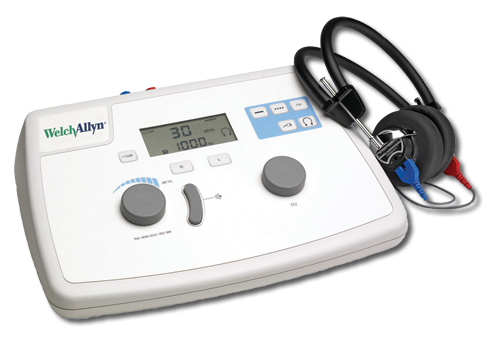
One significant milestone in the development of audiology was the invention of the audiometer by Harvey Fletcher in 1929. This device revolutionized the ability to accurately measure a person’s hearing sensitivity and has since become an indispensable tool for clinicians and researchers in the field.
The 20th century saw numerous breakthroughs, including the development of the modern hearing aid, the cochlear implant, and advanced diagnostic techniques. These advancements have laid the groundwork for current research examining the underlying mechanisms of hearing and balance disorders and exploring new treatment options.
Today, the field of audiology is experiencing a renaissance, driven by rapid advancements in technology and an increased understanding of the complex nature of hearing disorders. One such development is the integration of digital signal processing and machine learning algorithms into modern hearing aids, which enables a more precise and personalized approach to hearing rehabilitation.
Another emerging area of research is the exploration of non-auditory consequences of hearing loss, such as cognitive decline, depression, and social isolation. This research helps to highlight the broader impact of hearing loss on an individual’s life and emphasizes the need for comprehensive management and rehabilitation strategies.
Furthermore, research is being conducted on improving the durability and effectiveness of cochlear implants, maximizing the success of these devices in restoring hearing for patients with severe to profound hearing loss. This research includes refining the surgical implantation process, optimizing sound coding strategies, and enhancing the performance and usability of cochlear implant systems.
In summary, the field of audiology has come a long way since its early beginnings, and its advancements have vastly improved the diagnosis and treatment of hearing disorders. As researchers continue to unravel the complexities of these conditions, it is expected that new discoveries and technologies will further expand our understanding of the human auditory system and promote innovative strategies for better hearing health.
Hearing aids, once bulky and difficult to manage, have come a long way in recent years. Manufacturers are continually striving to enhance the design, functionality, and integration capabilities, all with the goal of improving the lives of individuals with hearing loss. One remarkable aspect is certainly the development of smart hearing aids powered by machine learning and artificial intelligence.
Gone are the days of noticeable hearing aids. Today’s models are sleek, discreet, and incredibly powerful. Advancements in miniaturization have resulted in significantly smaller devices that can still pack a punch in terms of sound amplification and noise reduction capabilities. Furthermore, modern hearing aids can be wirelessly connected to a range of devices, including smartphones, tablets, and televisions, ensuring seamless audio transmission.
Machine learning and artificial intelligence are transforming what is possible with hearing aids. These technologies enable devices to learn and adapt to an individual’s specific listening environment and preferences. For instance, AI can analyze sound patterns in real-time, automatically adjusting the settings to optimize hearing based on an individual’s needs in different situations. This means users can enjoy a more natural listening experience with less need for manual adjustments.
The integration of advanced technologies in hearing aids has several implications. Firstly, they are improving the effectiveness of hearing aids by providing more personalized listening experiences. Secondly, they are making hearing aids more user-friendly, as less manual intervention is needed. Lastly, these advancements are also contributing to the social acceptance of hearing aids, as users are now able to enjoy a wider range of activities without having to worry about their devices.
While the future of hearing aids is undoubtedly promising, there are still challenges to overcome. Issues such as cost, insurance coverage, and access to new technology can limit the benefits of these advancements for some individuals. However, as more research and investment goes into hearing aid technology, solutions to these issues are likely to be found, ensuring that more people can benefit from the latest hearing aid innovations.
Cochlear implant technology has come a long way since its inception, with recent advancements revolutionizing the way we treat hearing loss. This section explores the latest innovations in cochlear implant design as well as the potential for long-term progress in hearing restoration.
Ongoing advancements in cochlear implant design have significantly improved their performance, particularly through the development of more precise electrode placement. According to a study published in the journal Ear and Hearing, improved electrode design and customization have led to enhanced efficiency in providing auditory stimuli to the auditory nerve.
Another breakthrough in cochlear implant technology is the ability to custom-tailor devices for individual patients. This ensures a more natural hearing experience with reduced latency and enhanced sound quality. Some recent innovations include:
With these advancements in both design and personalization, cochlear implant technology is making significant strides in the field of hearing restoration. This progress has the potential to dramatically improve the quality of life for individuals with severe-to-profound hearing loss, as well as those with residual hearing. While challenges remain, the innovations in cochlear implant technology demonstrate a promising future for advanced hearing solutions.
Tinnitus, a pervasive and often debilitating condition characterized by ringing or other chronic noises in the ears, affects millions of people worldwide. Despite being a common affliction, tinnitus remains a complex and somewhat enigmatic disorder. Fortunately, recent research findings are shedding new light on the causes and mechanisms of tinnitus, as well as emerging treatment options that show promise in managing this challenging condition.
Current research suggests that tinnitus is a multi-faceted condition with various contributing factors, including:
Understanding the interplay of these factors and the underlying mechanisms responsible for tinnitus could pave the way for more effective treatments. Recent research has also revealed a strong connection between tinnitus and psychological factors such as stress, anxiety, and depression. This knowledge has prompted a shift in focus toward more comprehensive, patient-centered treatment plans.
While there is no one-size-fits-all solution for tinnitus, emerging therapies and treatment options are showing promise in managing the condition. Some of these options include:
While more research is needed to determine the long-term effectiveness of these therapies, it is clear that personalized, multi-dimensional treatment approaches represent a promising and valid strategy to manage this challenging condition.
As the understanding and treatment of tinnitus continue to evolve, new research directions are likely to provide even more insights into the condition. Some of these potential developments may include:
In conclusion, tinnitus remains a complex and challenging condition, but modern research is bringing us ever closer to a comprehensive understanding of its causes and treatment options. As knowledge of this intriguing condition continues to expand, new and innovative therapies will undoubtedly emerge, providing hope for the millions of people worldwide affected by tinnitus.
Recent advancements in genomics and molecular biology have shed light on the hereditary factors implicated in hearing loss and related disorders. By understanding these genetic links, researchers are better equipped to develop targeted therapies and devise early diagnosis and intervention strategies for those at risk.
Over the past few decades, extensive research has identified multiple genes and gene pathways that contribute to various forms of hearing loss, both non-syndromic and syndromic. These discoveries have provided crucial insights into the molecular and physiological mechanisms underlying hearing impairment, paving the way for gene-based diagnostics and therapeutics.
Some of the notable genes identified for hereditary hearing loss include:
Early detection of hearing loss and related disorders is crucial for implementing timely intervention strategies, such as assistive listening devices, guided learning programs, and communication support services. Genetics plays a significant role in this context, enabling early identification of the underlying causes that guide personalized treatment plans and reduce the impact of hearing impairment on an individual’s overall health and quality of life.
The knowledge of genes correlated with hereditary hearing loss empowers clinicians to:
Gene therapy and genetic engineering hold immense potential for treating hereditary hearing loss. Various gene therapy approaches, which involve the correction or replacement of defective genes with normal copies, are being researched and developed to restore normal hearing function. This emerging field highlights the promising prospects for alleviating the hearing impairments experienced by those with genetic predispositions.
Advancements in gene therapy techniques and technologies, such as CRISPR/Cas9 and RNA interference, are being closely examined by audiology researchers. These methods enable precise and targeted genetic modifications, potentially paving the way for cutting-edge techniques to treat hereditary hearing disorders.
As audiology research continues to advance rapidly, ongoing efforts are likely to lead to novel diagnostic tools, personalized treatment approaches, and innovative management strategies. The future of managing hereditary hearing loss relies heavily on our understanding of genetic links and harnessing cutting-edge technologies to leverage the power of genetics in audiology research and practice.
Noise-induced hearing loss (NIHL) is a pervasive and preventable public health concern. It is a result of exposure to excessive noise, either through sudden, intense sounds like explosions or through prolonged exposure to noise levels above 85 decibels (dB), which is common in many workplaces and leisure activities. This article explores the latest findings on NIHL, innovative prevention and protection strategies, and the importance of raising awareness about the condition.
NIHL can have a significant impact on the quality of life for individuals affected. It can lead to tinnitus, a constant ringing in the ears, and even lead to permanent hearing loss, negatively affecting one’s ability to communicate and engage with the world around them. According to the World Health Organization (WHO), approximately 1.1 billion young people aged 12-35 years are at risk of hearing loss due to unsafe listening practices.
Hearing conservation education is key to preventing NIHL. It involves teaching individuals about the dangers of noise, how to recognize hazardous noise levels, and the importance of using hearing protection. A study published in the Journal of Occupational and Environmental Hygiene found that comprehensive hearing conservation programs can reduce the risk of NIHL by up to 50%.
Research has shown that early intervention and prevention efforts can significantly reduce the risk of NIHL. By raising awareness and implementing protective measures, individuals can preserve their hearing and avoid the negative implications that come with hearing loss.
As we move forward, the emphasis on hearing conservation and noise prevention must continue to grow. Education and awareness strategies, along with technological advancements in noise reduction and hearing protection, will be crucial in safeguarding our hearing health for the long term.
The field of audiology faces significant challenges in protecting hearing health. Noise pollution continues to increase, and many industries and individuals do not prioritize hearing protection. However, the future also holds great promise. Advances in technology and a greater understanding of the auditory system will likely lead to more effective prevention and protection strategies.
In conclusion, understanding NIHL and implementing prevention strategies are of paramount importance for maintaining hearing health. With the right knowledge and protective measures, we can significantly reduce the number of individuals affected by this preventable condition.
The world of audiology is on the brink of a revolution. As technology continues to advance, big data, cutting-edge technology, and AI are transforming the field of audiology, paving the way for more targeted and personalized treatments. As researchers delve deeper into the mysteries of hearing and hearing-related disorders, new discoveries are being made that could change the face of hearing healthcare for generations to come. However, as with any transformative technological shift, challenges lay ahead.
As the field of audiology evolves, so too does the need for innovative solutions to address the complex and often individualized nature of hearing disorders. Big data, advanced technology, and AI are playing increasingly critical roles in audiology research, enabling researchers to better understand the underlying causes and mechanisms behind various hearing disorders.
Big data has allowed researchers to analyze vast amounts of information from multiple sources, providing insights into previously unexplored areas of hearing and hearing-related disorders. For example, researchers can now examine patterns within large populations, identify risk factors for hearing loss, and tailor interventions based on individual needs.
Advanced technology, such as portable hearing diagnostic devices and software that can simulate complex auditory environments, allows audiologists to diagnose and treat hearing disorders more effectively than ever before. Moreover, these technological advancements can now be integrated with smartphones and other wireless devices, making hearing healthcare more accessible and convenient.
Artificial intelligence (AI) is taking audiology research to new heights. Machine learning algorithms can process complex auditory data, predict and identify various types of hearing disorders, and even aid in the design of smart hearing aids. AI has vast potential to improve our understanding of the human ear and its responses to a wide range of sounds and environments.
The integration of big data, advanced technology, and AI in audiology research is paving the way for significant advancements in hearing research and treatment.
Innovations in personalized treatment options are becoming more effective than ever, thanks in part to the use of AI to process large volumes of patient data. This enables audiologists to tailor treatments to individual patients’ unique needs, conditions, and environments.
Machine learning algorithms and predictive modeling are allowing researchers to identify patterns and risk factors for hearing loss that were previously undiscovered. As a result, it is expected that preventive measures for hearing loss will become more targeted and effective, helping lower the global prevalence of hearing disorders.
Smart hearing aids, using AI algorithms and machine learning, are already making their way onto the market. These sophisticated devices can adapt to a user’s hearing needs in real time, identify and minimize background noise, and even translate languages. The potential impact of these devices on the quality of life for individuals with hearing loss cannot be understated.
While the advancements in audiology research are promising, the field still faces significant challenges. For instance, ensuring the privacy and security of sensitive patient data, especially as more data moves into the cloud, is a pressing issue. Furthermore, making sure that technological advancements in hearing healthcare become universally accessible and affordable is crucial for their true impact to be felt worldwide.
“The emergence of new technologies and treatments is an exciting time for the field of audiology. Yet, as with any profound innovation, the responsible integration of these advancements is vital to their longevity and effectiveness,” shares Dr. Dennis Kelsall, an expert in hearing healthcare.
In conclusion, the future of audiology is bright, with big data, technology, and AI converging to transform the way we understand and treat hearing disorders. While challenges abound, the potential benefits for those affected by hearing loss are vast, providing hope for better hearing healthcare in the years to come.
Category: Audiology
© 2026 www.audresources.org. All rights reserved.